



NEWYou can now listen to Fox News articles!
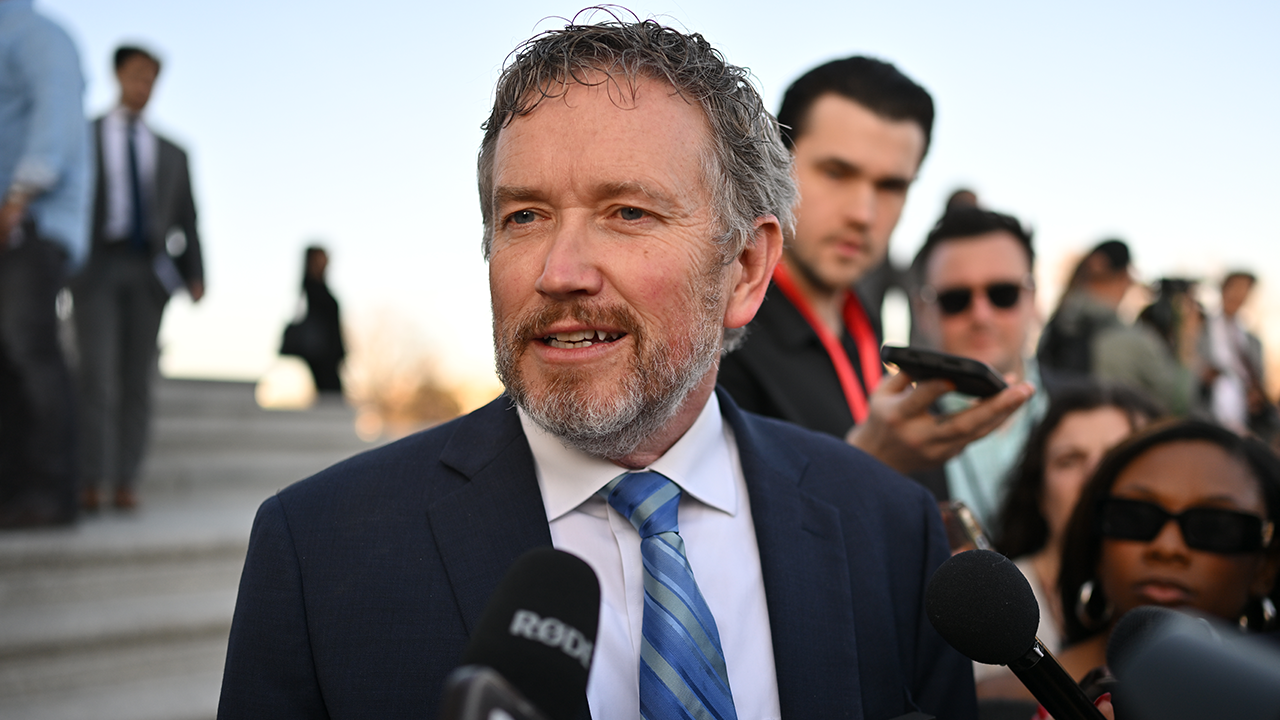
Thomas Massie, R-Ky., said he plans to judge the thoroughness of the Justice Department’s disclosures on Jeffrey Epstein by one standard: whether it includes a list of names he’s personally already seen.
The Trump administration has run up against the deadline set out by the Epstein Files Transparency Act — a bill that compels the DOJ to release all its documentation on Jeffrey Epstein and his sex trafficking practices.
It’s already clear the DOJ will blow past that deadline.
FOX NEWS POLITICS NEWSLETTER: HOUSE DEMS DROP EPSTEIN IMAGES BEFORE RELEASE DEADLINE
“The victims’ lawyers have been in contact with me. And collectively, they know there are at least 20 names of men who are accused of sex crimes in the possession of the FBI,” Massie said in a post to X.
“So, if we get a large production on December 19th, and it does not contain a single name of any male who’s accused of a sex crime or sex trafficking or rape or any of these things, then we know they haven’t produced all the documents,” Massie added.
Massie’s expectations come as Deputy Attorney General Todd Blanche announced Friday the DOJ would not release its full trove of documents related to Epstein by the deadline laid out by the Epstein Files Transparency Act.
“There’s a lot of eyes looking at these, and we want to make sure that when we do produce the materials we are producing, that we are protecting every single victim,” Blanche told “Fox & Friends.”
The department expects to roll out its releases over the next few weeks.
Following Blanche’s announcement, Massie posted a picture of the law’s text to X, highlighting the word “all” in its instructions to make its records on Epstein available to the public.
“Time’s up,” Massie added.
It is unclear whether the names Massie has in mind would indicate any degree of wrongdoing on their own. Even after the DOJ has completed its release, it may redact some names to protect their identities if it determines their innocence or connection to victims.
Ahead of the law’s passage, U.S. House Speaker Mike Johnson, R-La., voiced concern that the law’s broad mandates would destroy the reputation of potentially innocent individuals.
“[This] could ruin the reputation of completely innocent people, such as those who knew Epstein but knew nothing of his crimes or whose names he exploited and used to try to get close to his intended victims,” Johnson said at a press conference last month.
“Their names may be in these files, and they had nothing to do with this,” Johnson said. “[It] would subject those people to guilt by association.”
Questions about Epstein’s dealings have lingered following his death in 2019 when he was discovered dead in his prison cell while incarcerated on charges of sex trafficking minors. Epstein had an extensive social circle that included figures like former President Bill Clinton, Microsoft founder Bill Gates, the United Kingdom’s Prince Andrew and President Donald Trump.
DOJ FACES FRIDAY DEADLINE TO RELEASE EPSTEIN FILES AS LAWMAKERS PUSH FOR TRANSPARENCY
His death, which cut short his prosecution, left behind questions of whether he used his expansive ties to facilitate illegal sexual encounters for some of his contacts.
On the campaign trail, Trump promised to put those questions to bed by increasing transparency about Epstein and his dealings, revealing whatever answers the DOJ had found in its unfinished prosecution. But months into the second Trump administration with no new information, Massie and other Republican lawmakers have grown frustrated.
In early November, the Epstein Files Transparency Act received the needed support to receive a vote in the House of Representatives after a group of lawmakers, led by Massie, joined Democrats to force it to the floor. It soon passed the House and Senate and was signed into law by Trump on Nov. 19.
That law gave the DOJ one month to produce its files on Epstein and make them publicly searchable.
Although Trump signed the law, Massie remains concerned the information won’t see the light of day or that it will be only a partial release. However, he noted that unlike a subpoena, the Epstein transparency law carries more enforceability.
Massie noted that if members of the Trump DOJ don’t comply with the law, they may open themselves up to prosecution by future administrations.
JEFFREY EPSTEIN ACCOMPLICE GHISLAINE MAXWELL MOVES TO VACATE CONVICTION DAYS BEFORE DEADLINE TO RELEASE FILES
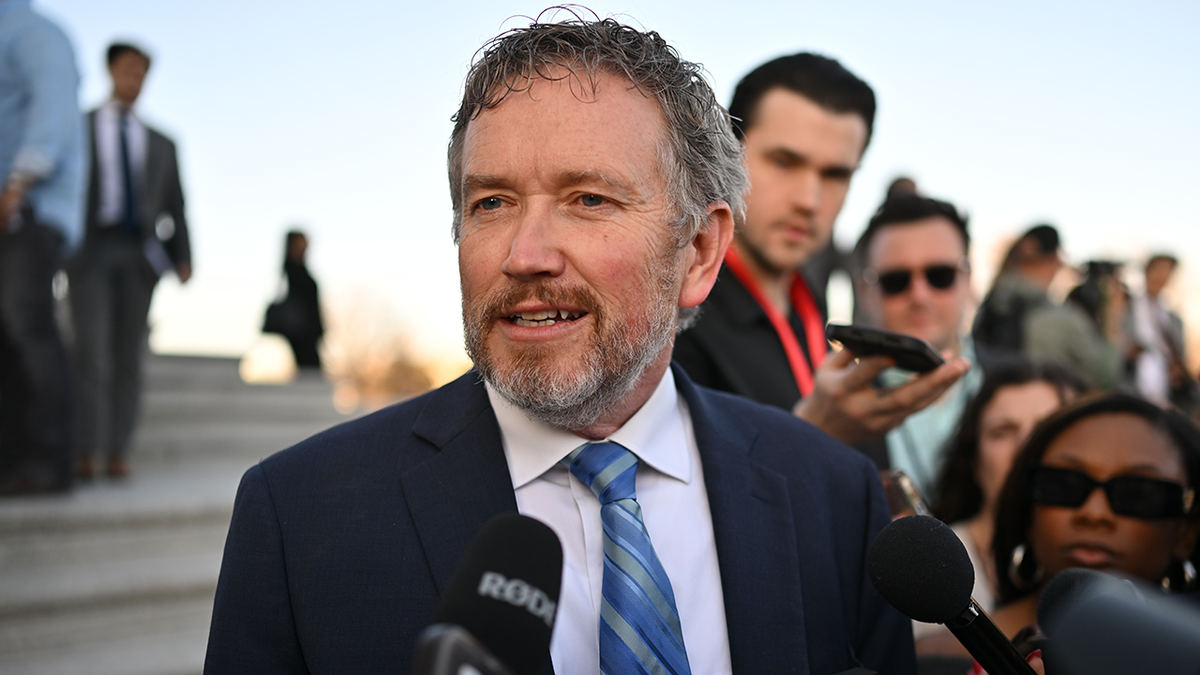
“But if they refuse to produce these materials, then let’s say whoever is the next president, their attorney general could bring charges because the statute of limitations will not have run out on non-compliance with this law. It’s unique,” Massie said.
The DOJ did not immediately respond to a request for comment on Massie’s characterization of the FD-302 forms.
Read the full article here

![Trump’s ‘Wall of Fame’ Trolling of Biden, Obama, and Clinton Is Something to Behold [WATCH]](https://www.lifezette.com/wp-content/uploads/2025/08/2025.08.05-01.06-lifezette-689201c7889c4.jpg "Trump’s ‘Wall of Fame’ Trolling of Biden, Obama, and Clinton Is Something to Behold [WATCH]")




![WHCD Shooting Suspect Described as ‘Very Good Student’ by a Former Professor [WATCH]](https://www.rvmnews.com/wp-content/uploads/2026/03/2026.03.27-12.45-rvmnews-69c67bf86429b.jpg "WHCD Shooting Suspect Described as ‘Very Good Student’ by a Former Professor [WATCH]")