


Americans seeking mental health or addiction treatment often encounter a system that claims to coordinate care but rarely delivers it quickly. As demand for behavioral health services rises, a basic question deserves a clear answer: Who actually controls behavioral health care in the U.S., and is that control helping or hurting patients in crisis?
When someone finally reaches out for help, he encounters waiting lists, paperwork, and network gaps that push him toward emergency care or no care at all.
Nevada offers a revealing case study. The state’s Department of Health and Human Services certifies programs and distributes federal grants. County and regional commissions convene advisory meetings to reflect local priorities. Medicaid sets reimbursement rates and payment timelines. Managed-care organizations impose prior authorizations that can delay or deny treatment. Each layer is designed to promote accountability. Together, they often produce delays.
The result is not a coordinated system but a fragmented patchwork of public agencies, insurers, and contractors. Federal funding arrives with compliance requirements that consume clinicians’ time. States enact parity laws to ensure mental health and substance abuse treatment is covered like other medical care. Legislatures debate how to curb investor influence over clinical decisions, insisting that licensed professionals — not financial managers — direct care.
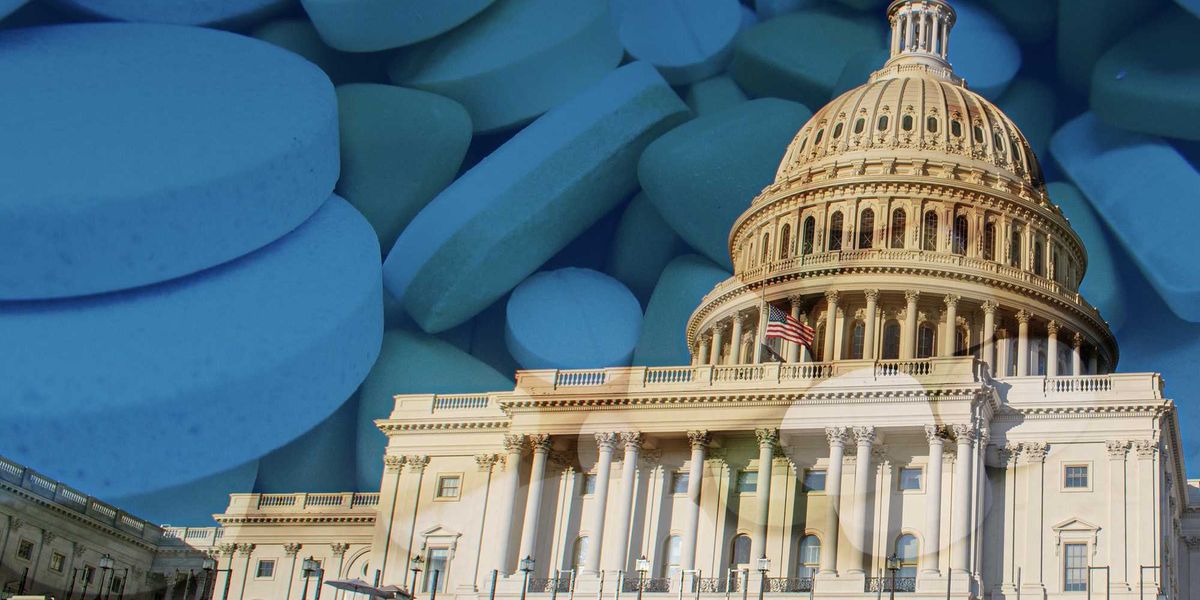
These tensions are unfolding as Washington rethinks the structure of federal health policy. The proposed Administration for a Healthy America would consolidate agencies such as the Substance Abuse and Mental Health Services Administration into a single entity. Supporters promise efficiency; critics warn that consolidation could slow local responses.
At the state level, the policy picture is equally unsettled. In 2025, lawmakers across the country revised behavioral health statutes with competing priorities: workforce shortages, crisis response systems, parity enforcement, and the elimination of out-of-pocket costs. Some states strengthened insurance mandates. Others reconstructed governance and funding to regain control over fragmented delivery systems.
Federal policy choices loom over the whole picture. Potential Medicaid funding cuts and weaker enforcement of mental health parity threaten access as demand continues to rise. Proposed budget changes could reduce support for community mental health clinics, suicide prevention programs, and substance abuse treatment — services that are often the last line of defense before emergency rooms or jails.
RELATED: AI in education: Innovation or a predator’s playground? | Blaze Media
Shelby Tauber/Bloomberg via Getty Images
Technology adds another complication. States are beginning to regulate artificial intelligence in behavioral health, with some banning AI-driven psychotherapy outright and others exploring guardrails for diagnostic or treatment support tools. These debates reflect a larger concern: the potential for innovation to replace clinicians or create unregulated substitutes for human judgment.
What patients experience is the cumulative effect of misaligned authority. Financial power, regulatory oversight, and clinical delivery point in different directions. When someone finally reaches out for help, he encounters waiting lists, paperwork, and network gaps that push him toward emergency care or no care at all.
Reform should start with three principles. First, policymakers must reduce administrative burdens that trap providers in compliance while patients wait. Second, insurance reforms must deliver real parity in access — not just coverage on paper. Third, oversight should protect quality while allowing local systems to innovate and respond quickly to community needs.
Behavioral health care is not a niche service. It is a public safety imperative and a core function of a serious health system. Until policy shifts its focus from control to care, patients will continue to pay the price.
Read the full article here

![Rogan Calls Out Soros-Funded Chaos in Minneapolis [WATCH]](https://www.boredtrashpanda.com/wp-content/uploads/2025/10/2025.10.10-09.35-boredtrashpanda-68e8d34c2ccc7.jpg "Rogan Calls Out Soros-Funded Chaos in Minneapolis [WATCH]")