
America has always protected lawful protest. It has never protected persecution. Some communities now blur that line on purpose, and anyone who cares about civil rights, religious freedom, or the rule of law should be alarmed.
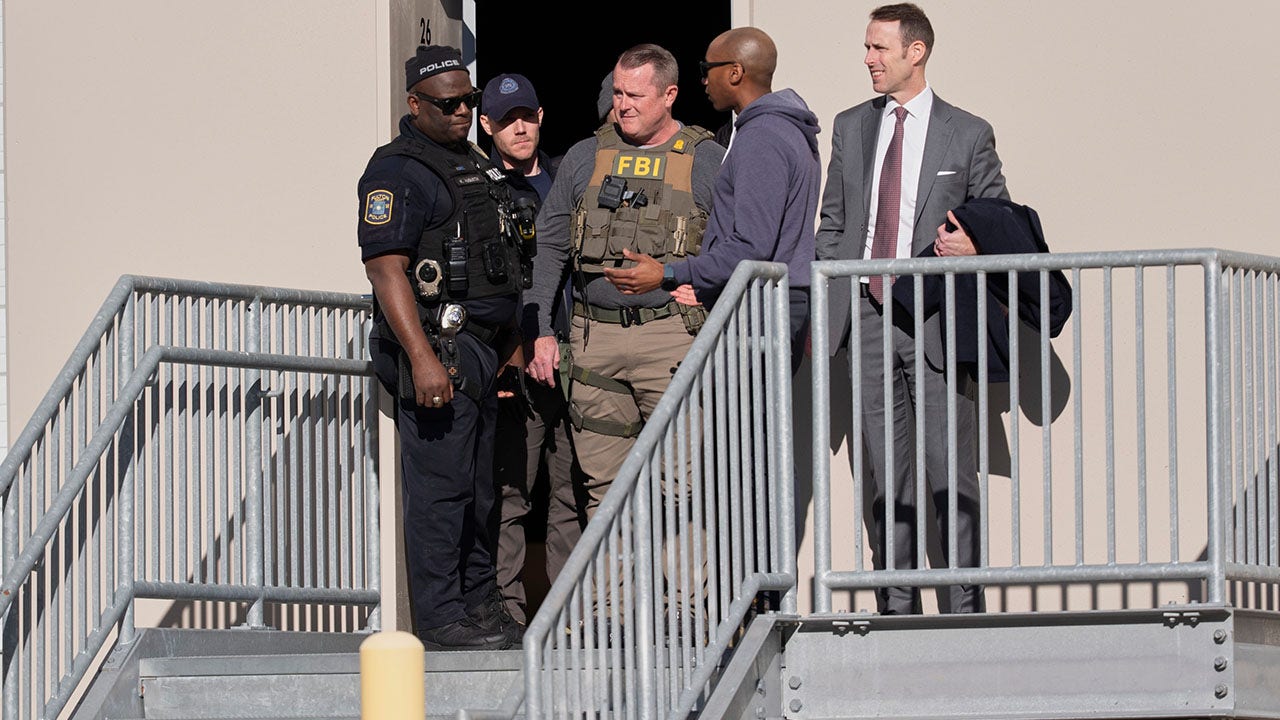
Most recently, agitators stormed Cities Church in Saint Paul, near Minneapolis, during a worship service to protest U.S. Immigration and Customs Enforcement raids around the Twin Cities. Federal authorities, including the Department of Justice, are investigating the incident under civil rights laws that protect religious exercise at places of worship. Several people, including journalists present, have been arrested or charged in connection with the disruption.
You don’t need to agree with the worshippers in Minnesota or California to defend their rights. Civil liberties mean nothing if they apply only to causes we like.
This wasn’t an isolated incident. Peaceful worshippers have faced unlawful harassment before.
Last year, in March and September, Christian and Jewish worshippers in Southern California gathered peacefully to pray, sing, and express deeply held religious beliefs about Israel and the Jewish people. They came to worship. A coordinated campaign of intimidation met them instead: blocked entrances, screaming mobs, bullhorns blaring sirens, graphic signs aimed at children, physical assaults, and targeted harassment designed to make worship impossible.
First Liberty Institute filed a detailed federal complaint describing how the disruptors planned and coordinated these attacks and then celebrated them afterward. They registered for church events under fake names, infiltrated the Mission Church, screamed accusations of “genocide” and “Nazism” at Jewish and Christian worshippers, and resisted removal. Outside, others blocked exits and forced families — including children and seniors — to run a narrow gauntlet just to reach their cars.
At another interfaith service, agitators surrounded vehicles, jumped on worshippers’ hoods, laid dolls in driveways while calling Jewish guests “baby-killers,” and blared sirens for hours to drown out prayer and preaching.
That conduct is flatly illegal. It is also a transparent attempt to cloak intimidation in the First Amendment.
The First Amendment does not authorize people to physically interfere with worship, intimidate attendees, or use force and coercion to silence beliefs they despise. Congress recognized that principle when it passed the Freedom of Access to Clinic Entrances Act. Sen. Orrin Hatch (R-Utah) made sure the law would protect religious exercise at places of worship from exactly this kind of obstruction. When mobs block entrances, assault worshippers, or deliberately prevent services from being heard, they break the law.
RELATED: When worship is interrupted, neutrality is no longer an option
Photo by Stephen Maturen/Getty Images
These incidents also reveal something darker: the targets and the motive.
The worshippers were Christians and Jews united by shared religious convictions about Israel. For Jewish attendees, support for Israel is not a political slogan; it is woven into faith, daily prayer, and identity. For Christian congregations, support for the Jewish people flows from sincerely held theological beliefs. Targeting those beliefs through harassment and violence is religious discrimination.
History shows where this road can lead. When officials tolerate intimidation against one disfavored group, it spreads. Our complaint documents a surge in anti-Semitic attacks nationwide since Oct. 7, 2023, along with a widening hostility toward anyone who publicly stands in solidarity with Jews. Persecution works the same way every time: isolate the target, then punish anyone who refuses to abandon the target.
The aftermath should chill every American. The complaint alleges that organizers vowed to continue, posted videos on public Code Pink channels boasting about their actions, and shared images of worshippers online to expose them to further harassment. Churches canceled events. Interfaith groups struggled to find safe venues. Ordinary people began to fear worship in their own communities.
The Free Exercise Clause means little if mobs can intimidate Americans into silence inside their own sanctuaries.
RELATED: A protest doesn’t become lawful because Don Lemon livestreams it
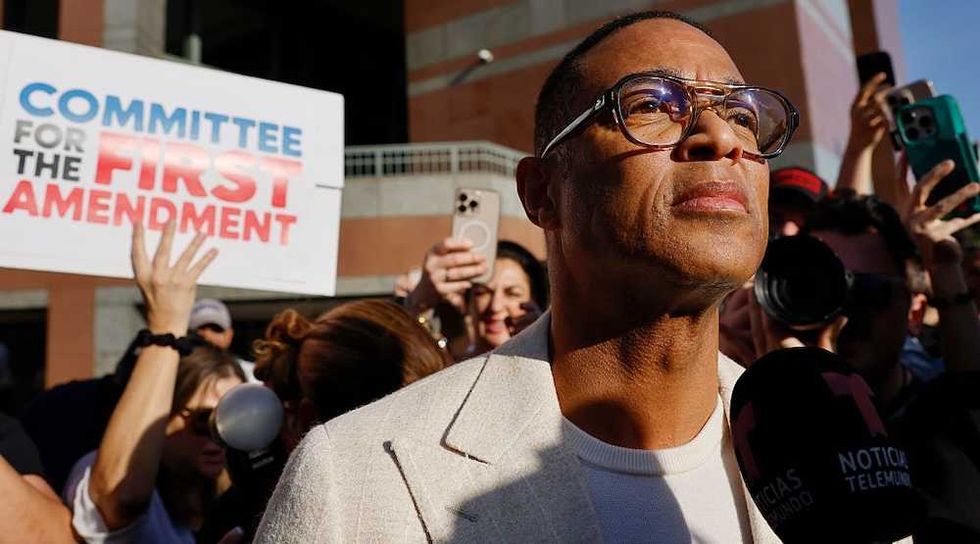 Photo by Mario Tama/Getty Images
On Monday, victims of this harassment will testify before President Trump’s Religious Liberty Commission. The commission plans to issue a detailed plan to protect religious liberty in coordination with the 250th anniversary of the Declaration of Independence.
You don’t need to agree with the worshippers in Minnesota or California to defend their rights. Civil liberties mean nothing if they apply only to causes we like. The moment we excuse intimidation because we sympathize with a protest’s message, we abandon equal freedom under the law.
Courts now have an opportunity — and an obligation — to draw a firm line. Peaceful protest belongs at a respectful distance, not inside sanctuaries. Reasonable debate belongs in the public square, not enforced through threats, coercion, and attempts at injury. If mobs get to decide who may worship freely, no one is safe.
Read the full article here