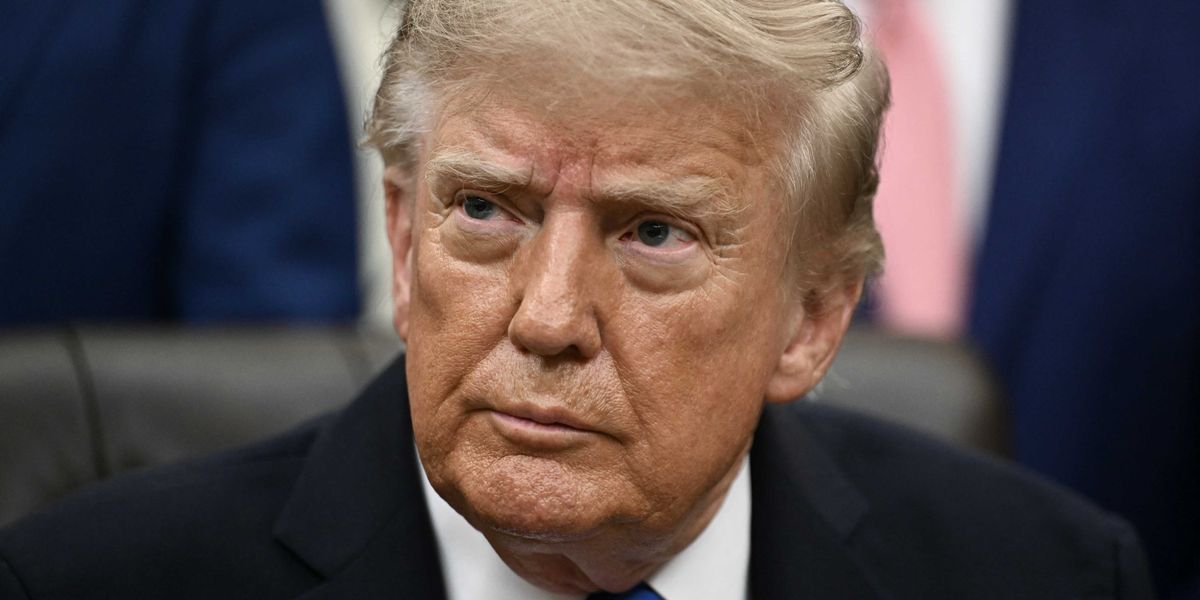
President Donald Trump signed a bill Thursday to fund the Department of Homeland Security, including the U.S. Coast Guard, after a 76-day partial government shutdown.
The move ends a stalemate that had stretched into months and disrupted essential security operations along the coast and inland waterways.
The president asserts the funding package secures critical missions while avoiding a broader spillover that could have harmed national security and the economy.
The signing came hours after the House passed Senate-approved legislation to fund the department. The bill funds DHS agencies that are not involved in Trump’s immigration crackdown through the end of the fiscal year on Sept. 30.
Here’s What They’re Not Telling You About Your Retirement
Supporters say the measure shows the government can function when it matters most, even amid partisan disagreements. The Coast Guard is now able to reconstitute readiness and begin returning to normal operations.
Image Credit: US Coast Guard
The passage will allow the Coast Guard to resume non-emergency operations and maintenance, which were halted during the 11-week lapse in funding.
This is a practical step that restores essential services and stabilizes a workforce battered by months of uncertainty.
This Could Be the Most Important Video Gun Owners Watch All Year
Leaders emphasize that the Coast Guard’s mission to protect maritime borders remains a top priority.
On Tuesday, Coast Guard Commandant Adm. Kevin Lunday told lawmakers that Coast Guard members and civilians were facing “severe hardship” because of the uncertainty about their paychecks.
The admission underscored the human cost of a long funding gap and the risk to morale across the service. Because pay and benefits influence retention, the strain was felt throughout the force.

Image Credit: DoW
Active-duty service members have continued to receive paychecks during the shutdown as a result of funding shifts, but the Coast Guard could not pay some of its bills, including electricity bills for its 6,000 family housing units.
This created real hardships for families trying to keep up with utilities and housing costs while provisions were in flux. The situation highlighted how critical uninterrupted funding is to daily life for those who wear the uniform.
In the past week, some Coast Guard families have had their electricity shut off.
While lawmakers scrambled to resolve the stalemate, communities watched as basic services faltered for those linked to the service. This reality underscored the stakes of a funding freeze on a force that faces high operational demands.
Coast Guard families scheduled to move this summer also have mounting credit debt as a result of restrictions on advanced pay for travel.
The absence of predictable funding fed anxiety about upcoming moves, and that anxiety carried over into budgeting and planning for many personnel. The new bill aims to remove those uncertainties by providing a clear fiscal path through September.
The Coast Guard’s civilian employees — who number nearly 10,000 — went without a full paycheck from Feb. 16 through early April, when Trump signed an emergency order to pay them. That emergency funding was set to run out this week.
The relief provided by the emergency measure offered temporary relief, but it illustrated the broader need for steady funding to support operational readiness and the welfare of civilian personnel who keep the service running.

Image Credit: DoW
During a hearing Tuesday on the Coast Guard budget, Master Chief Petty Officer of the Coast Guard Phil Waldron said, “Our total workforce has spent a majority of this fiscal year operating under uncertainty, fear and anger caused by a lapse of appropriations.”
The stark quotation captured the mood inside the service as lawmakers weighed the competing demands of security priorities and fiscal discipline.
Supporters frame the funding as a critical investment in national security, not merely a political victory.
They emphasize that a funded Coast Guard is essential for protecting ports, enforcing maritime laws, and responding to emergencies at sea. The outcome also serves as a reminder that readiness depends on dependable financing, a point made by lawmakers across the spectrum.
From the White House, to congressional committees, leaders frame the vote as a practical investment in national security rather than a partisan dispute.
Prominent supporters, including War Secretary Pete Hegseth, emphasize that backing the Coast Guard and other DHS agencies is essential to protect the homeland and safeguard taxpayers. The emphasis is on ensuring that the services can carry out their missions without the fear of another funding cliff.
Under that view, restoring funding and ensuring timely pay is not a partisan win but a straightforward calculation in morale, readiness and mission capability.

Image Credit: DoW
The administration argues that stable funding yields better law enforcement, safer harbors, and more reliable disaster response. It also signals a commitment to the men and women who serve, and to the families who depend on them.
As the nation resumes normal operations, the Coast Guard can focus on its mission with a workforce finally assured of stability. The decision sends a clear message that America will not allow critical security agencies to be hamstrung by political gridlock.
With funding restored, Coast Guard crews and civilian staff can reclaim their pace of operation and preparedness for whatever lies ahead.
Warning: Account balances and purchasing power no longer tell the same story. Know in 2 minutes if your retirement is working for you.
The opinions expressed by contributors and/or content partners are their own and do not necessarily reflect the views of LifeZette. Contact us for guidelines on submitting your own commentary.
Read the full article here