




With Brent crude futures surging past $115 a barrel, President Trump’s rejection of Iran’s latest Strait of Hormuz proposal is a test of whether Washington elites understand what ordinary Americans actually want: energy stability, not another forever war in the Gulf.
Iranian Foreign Minister Abbas Araghchi, through Pakistani mediators in the ongoing Islamabad process, recently floated a phased 14-point plan: reopen the Strait of Hormuz if the U.S. lifts its blockade, with nuclear talks deferred to a later stage.
Trump dismissed the offer as not acceptable, yet the real story is not Tehran’s maneuvering, but the widening gap between Beltway hawks who see confrontation as inevitable and voters who see confrontation as unaffordable.
Younger voters, already skeptical of ‘forever wars,’ view the Iran standoff as another distraction from domestic priorities.
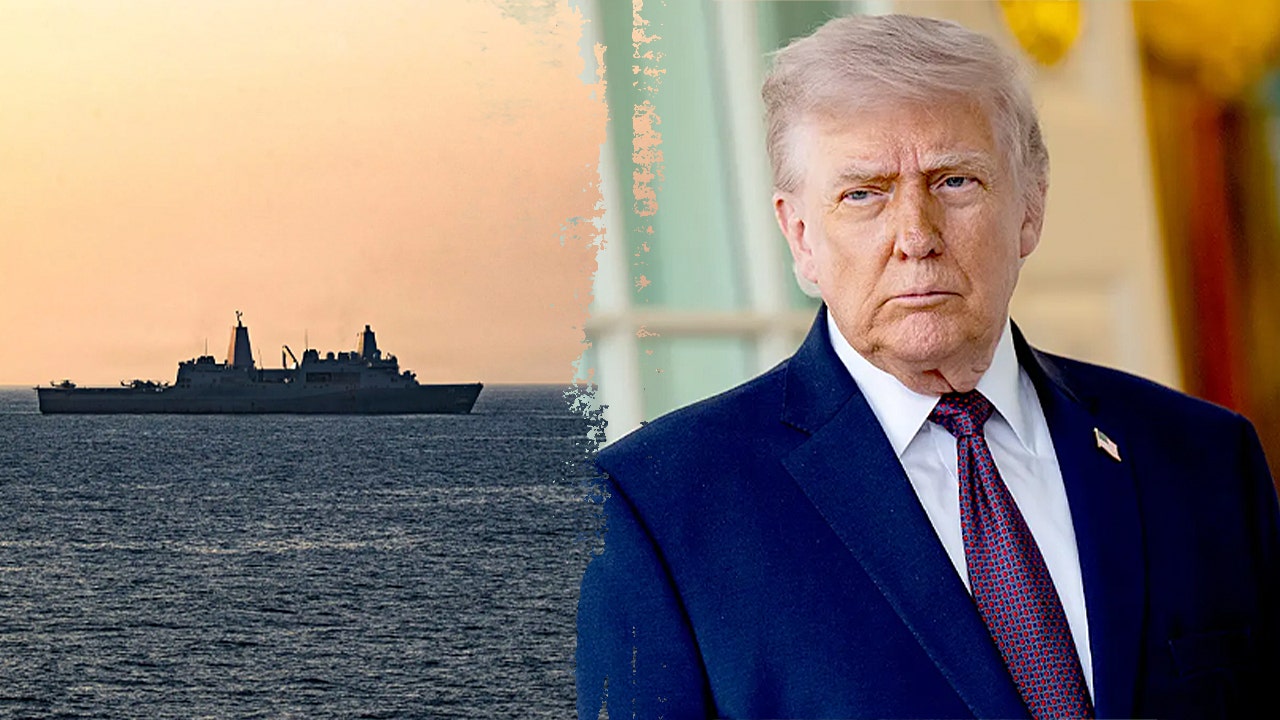
As the administration officially activates Project Freedom — a mission utilizing U.S. naval assets to guide trapped commercial vessels — Washington is attempting a middle-path maneuver.
This operation is a band-aid on a bullet wound. Reports of U.S. helicopters destroying Iranian small boats and retaliatory missile fire toward UAE ports underscore the volatility. The public is not clamoring for a demonstration of strength; people are clamoring for relief at the pump.
Polling backs this up. The March 2026 Pew survey shows that foreign policy hawkishness is declining, with only 28% of Americans labeling China an “enemy” and similar fatigue evident in attitudes toward Middle Eastern entanglements.
Trump’s rejection of Iran’s deal, though well intentioned, misreads the electorate. Americans are not demanding another Gulf showdown that could shatter the current truce. They are demanding a pragmatic path to lower energy costs and a reprieve from endless deployments.
Iran’s offer was piecemeal, but it reflected a truth Washington ignores: Maritime choke points like the Strait of Hormuz are arteries of global commerce. Blocking them — or relying on risky naval escorts — is a gamble with the global economy.
Traders and shippers see the blockade as a distortion that ripples through supply chains. The attempt to isolate Iran has produced logistical chaos that even Project Freedom will struggle to untangle.
Americans feel this chaos in their wallets. Every increase translates to higher gasoline prices, higher shipping costs, and inflationary pressure. Younger voters, already skeptical of “forever wars,” view the Iran standoff as another distraction from domestic priorities.
The youth vote is not demanding ideological purity; it is demanding pragmatic management of global risks. By rejecting Iran’s offer outright, Trump risks alienating the very demographic that could give him cover for a diplomatic breakthrough.
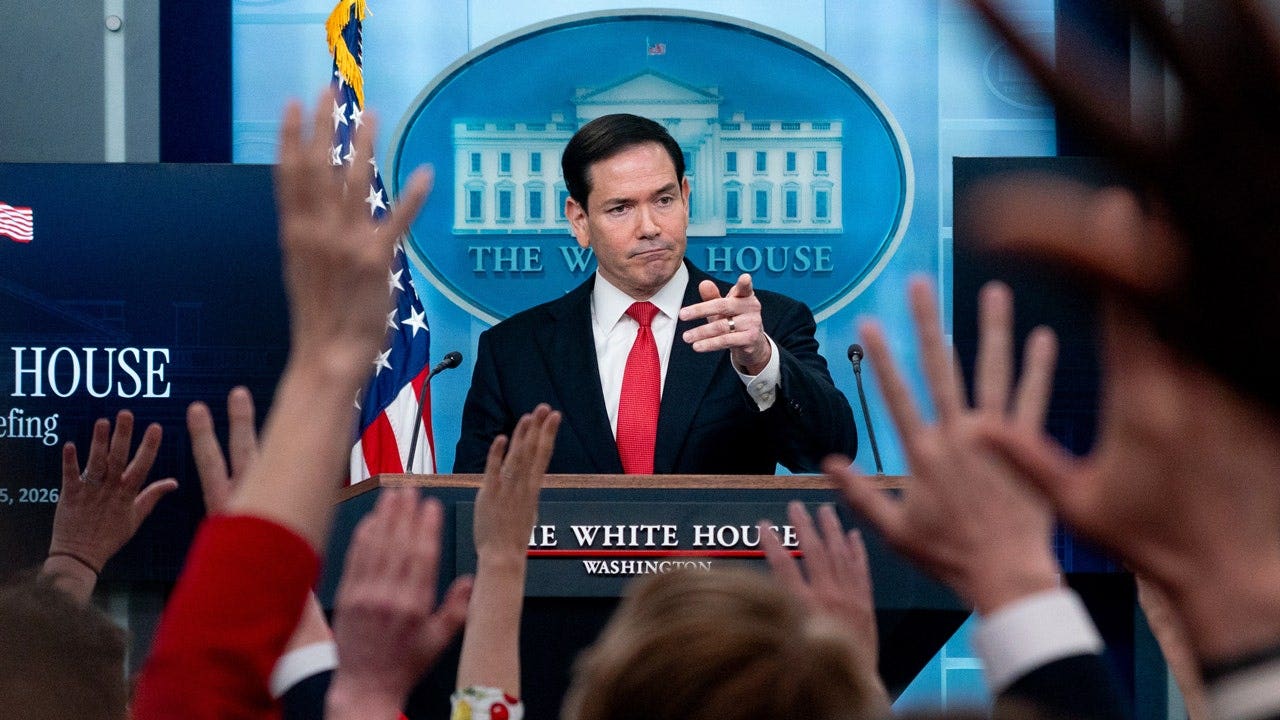
RELATED: Trump administration establishes ‘red, white, and blue dome’ to allow safe passage through Strait of Hormuz
Andrew Harnik/Getty Images
The Islamabad process — where U.S. and Iranian delegations are quietly exploring trilateral peace — reflects a regional appetite for pragmatic de-escalation. The same mood exists in the American electorate. Voters are tired of containment strategies that yield no domestic dividend.
The coming few weeks will be decisive. If the blockade continues, price spikes will drag inflation into the midterm season. If Trump pivots toward a phased maritime deal, he could claim a win that stabilizes the markets.
Washington elites may sneer at piecemeal diplomacy, but such diplomacy is often how to achieve real stability. The electorate understands this better than the pundits.
The American people are no longer the obstacle to pragmatic engagement; they are the engine of it. Rejecting Iran’s offer may satisfy Beltway hawks, but it risks alienating voters.
The smarter path is managed friction — accepting partial deals that stabilize markets while deferring ideological battles. The world does not need another forever war in the Gulf. It needs a recognition that energy stability is the foundation of strategic strength.
Read the full article here



![A Winner Has Been Declared in the Runoff Election to Replace the Late Lindsey Graham [WATCH]](https://www.lifezette.com/wp-content/uploads/2025/06/2025.06.01-06.34-lifezette-683c9d4d7fde7.jpg "A Winner Has Been Declared in the Runoff Election to Replace the Late Lindsey Graham [WATCH]")
![Obama Judge Defies Supreme Court Momentum and Targets Trump Ballot Security Rules [WATCH]](https://www.lifezette.com/wp-content/uploads/2026/08/2026.08.26-08.07-lifezette-6a8e9ea9b1be1.jpg "Obama Judge Defies Supreme Court Momentum and Targets Trump Ballot Security Rules [WATCH]")