![Trump Scores Major Win as Iran Agrees to Nuclear Ban and Reopening the Strait of Hormuz [WATCH]](https://www.lifezette.com/wp-content/uploads/2026/02/2026.02.26-12.13-lifezette-69a038ec2ea11.jpg "Trump Scores Major Win as Iran Agrees to Nuclear Ban and Reopening the Strait of Hormuz [WATCH]")

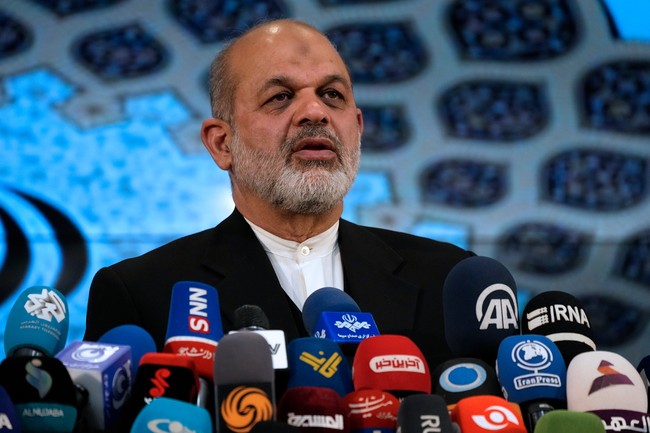
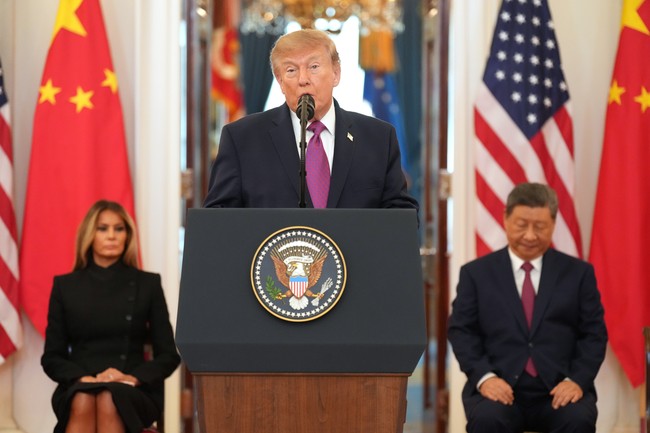
A senior White House official has confirmed that a new agreement between the United States and Iran reflects exactly what President Donald Trump demanded from the very beginning of the recent hostilities.
The deal reportedly ensures that Iran will not pursue nuclear weapons and that the vital Strait of Hormuz, a crucial artery for global energy transport, will remain open for international trade and navigation.
This marks a significant foreign policy victory that aligns squarely with Trump’s long-standing approach of peace through strength.
Unlike the weak compromises of previous administrations, this agreement appears to have been achieved not by appeasement, but by pressure and negotiation from a stance of American dominance.
Here’s What They’re Not Telling You About Your Retirement
According to the official, Trump made it clear that the only acceptable path forward involved Iran abandoning any ambition for nuclear armament and ensuring freedom of passage through the Strait.
“The President was unwavering in his position that the world cannot allow Iran to threaten global energy routes or develop nuclear capabilities,” the source said.
The White House, which has been working through intricate diplomatic backchannels, reportedly secured concessions from Tehran after a sustained campaign of economic and strategic pressure.
Sanctions and military readiness played critical roles in bringing the Iranian regime to the table, demonstrating once again the effectiveness of Trump’s no-nonsense foreign policy philosophy.
This Could Be the Most Important Video Gun Owners Watch All Year
WATCH:
Observers note that the announcement effectively reverses much of what was left behind from the Obama-era Iran deal, which funneled billions into Tehran’s coffers while doing little to prevent nuclear advancement.
Trump’s strategy, focusing on maximum pressure and clear red lines, seems to have achieved far more meaningful results.
The Strait of Hormuz has been a flashpoint in regional and international tensions for decades.
Approximately a fifth of all global petroleum passes through this narrow waterway, making it one of the most strategically important maritime chokepoints in the world.
Its reopening signals not just diplomatic progress, but also a measure of restored global stability.
American energy independence under Trump’s policies positioned the United States to negotiate from strength rather than desperation.
Free from the pressures of reliance on Middle Eastern oil, the U.S. could afford to take a tough stance against Iran’s aggressive maneuvering.
That leverage appears to have paid off.
Critics on the left, of course, are struggling to find a way to spin this as anything other than a success.
After years of calling Trump reckless and accusing him of risking war, they now face the reality that his brand of assertive diplomacy has delivered results that even they have failed to generate.
The predictable talking points about “destabilization” and “unpredictability” ring hollow as the facts point to a pragmatic and effective deal.
The unnamed White House official praised the President for his consistency and leadership.
“This was not about optics for him. It was about achieving real security guarantees for the United States and its allies, and he did that. Iran understood that when Trump drew a red line, it was not just talk.”
Analysts are also noting that this agreement could have ripple effects across the region.
Nations that previously viewed American resolve as weakening are now being reminded of what strong leadership looks like.
The restoration of deterrence, coupled with a clear framework for peace, could lead to a recalibration of Middle Eastern politics.
Trump’s insistence on fair and enforceable terms contrasts sharply with the leniency of prior diplomatic efforts.
The new framework reportedly includes verifiable oversight to ensure compliance and a firm U.S. monitoring presence.
It represents a shift from wishful policymaking to results-driven action.
While details are still emerging, the broad outline of the deal corroborates what Trump supporters have argued all along: that firmness backed by economic and strategic might is the surest path to peace.
The President’s critics often deride his bluntness, yet it is exactly that approach that has brought Iran, a notoriously obstinate actor on the world stage, to an agreement with clear, measurable outcomes.
This deal could conceivably set a precedent for how the United States handles rogue regimes in the future.
It reminds both allies and adversaries that under strong leadership, America will neither tolerate threats to freedom of navigation nor the proliferation of weapons of mass destruction.
Once again, President Trump has proven that putting America first does not mean isolation.
It means leading from a position of undeniable strength.
Warning: Account balances and purchasing power no longer tell the same story. Know in 2 minutes if your retirement is working for you.
Read the full article here