
Legally? Yes. Politically? Maybe.
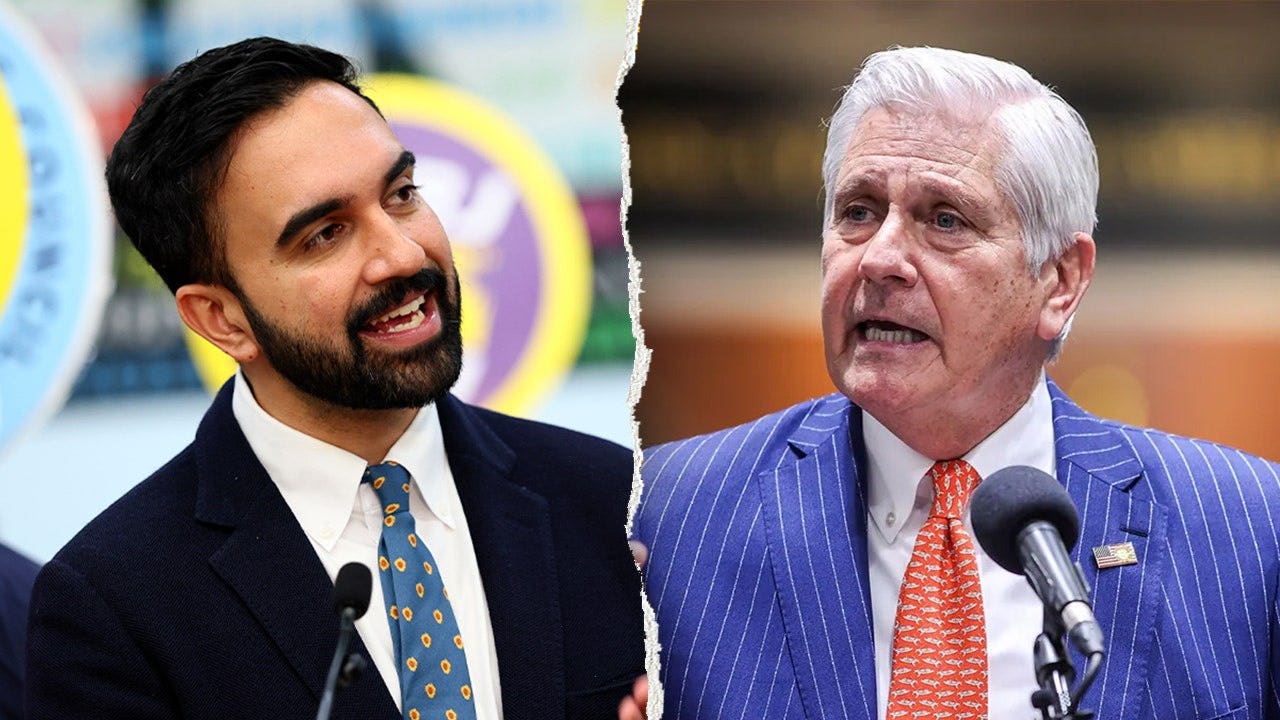
Yesterday, four Republicans crossed the House aisle to pass a bill under the War Powers Resolution (or Act) demanding that Donald Trump stop hostilities with Iran. The New York Times used the four votes as an excuse to call this a “bipartisan rebuke,” despite 207 House Republicans voting to oppose the bill, which passed on a 215-208 vote. It’s the first time that either chamber has passed such a demand, but that and five million Iranian rials will get you a cup of café latte, too:
The House on Wednesday voted to direct President Trump to withdraw U.S. forces from the conflict with Iran or win approval from Congress to continue the war, after four Republicans sided with Democrats in a striking sign of growing opposition to a military campaign now in its fourth month.
Adoption of the resolution was a remarkable rebuke to Mr. Trump and his handling of the conflict, after he has repeatedly dismissed any effort by Congress to curb his power and as the G.O.P. has largely ceded its prerogatives to do so, deferring to him time and again. Republicans had abruptly postponed the vote two weeks ago, recognizing that they did not have sufficient votes to defeat the measure and wanting to spare themselves and the president the affront.
This is the problem with spending two months pretending the war is over. It doesn’t really fool anyone, and it undermines the resolve necessary to see the mission through to completion. The problem for Trump is that this also applies to the US Navy and its blockade of Iran, which is not, as the administration has attempted to claim, a merely defensive operation. A blockade is an act of war, offensive rather than defensive, even if it has a lower level of kinetic action. Having watched this drag on for months now, even a few Republicans wonder what the endgame is, and more importantly, whether Trump has an endgame where his objectives are met.
However, as the NYT concedes, this isn’t exactly the end of the road for Trump’s war:
The vote was 215 to 208 to adopt the war powers resolution, sending it to the Senate. Even if it were to pass both chambers, the ability of lawmakers to force a president to withdraw troops remains a contested legal question, and Mr. Trump and his senior aides have dismissed any effort by Congress to limit his war powers as unconstitutional.
Right now, it doesn’t appear likely to pass in the Senate. Even if it were, however, Trump has another option rather than going to court: he can just veto the bill. The process on a vote under the War Powers Resolution is privileged, which is why Mike Johnson couldn’t keep it off the floor any longer, but it is still a bill like any other bill passed by Congress. It requires a presidential signature to take effect, and presidents can veto them as well. The Congressional Research Service confirmed this in an analysis last year, when Operation Midnight Hammer made the issue more acute, emphasis mine:
A bill or joint resolution directing the President to remove U.S. forces abroad may be introduced in either chamber at any time. The Senate considers such measures under a modified version of the procedures found in the International Security Assistance and Arms Export Control Act of 1976 (ISAAECA). Upon introduction and referral, the Senate Committee on Foreign Relations must report within 10 days of “continuous session” or can be discharged by a privileged motion that is debatable for one hour. Once the committee has reported or been discharged, any Senator may make a non-debatable motion to proceed to the measure. Debate on the measure and any amendments to it is limited to 10 hours. The WPR does not provide any expedited procedures for House consideration of a bill or joint resolution withdrawing forces from hostilities. Like any bill or joint resolution, the President would have the option of vetoing the measure.
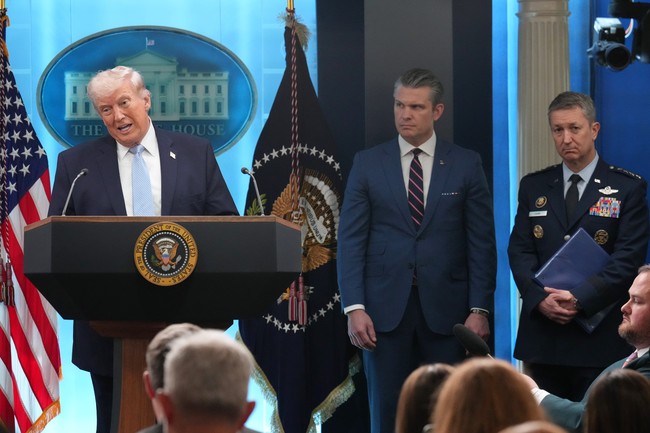
In other words, there’s not much legal impact from this vote, and even Senate passage would be no impediment to the mission, not unless two-thirds of both chambers opposed it. There is a political cost for this vote, though, which undermines public trust in Trump’s war and isolates responsibility for it more directly on his shoulders. Trump understands that, which is why he offered a brief rebuke to the four Republicans who crossed over:
Yesterday, in a meaningless vote, the House voted, 4 bad Republicans and all of the Dumocrats, to limit my War Powers, right in the middle of my final negotiations to end the War with the Islamic Republic of Iran. Who would do such an unpatriotic thing. They know where the negotiations stand. The Democrats are fueled by Trump Derangement Syndrome. They would rather have our Country fail than give me another, of many, victories. The four Republicans, that’s a whole other story – They’re GRANDSTANDERS! They should be ashamed of themselves. MAGA!!! President DJT
Are they grandstanders? Yes, but Trump has been “right in the middle of my final negotiations” for two months now, with nothing to show from it. Instead, Iran continues to claim sovereignty in the Strait of Hormuz, attack commercial shipping attempting to pass through it, and fire missiles and drones at American allies in the Gulf. Trump responds to these provocations, but not with enough force to act as a deterrent, while trying to appease the IRGC in Lebanon to get a deal that will likely mean nothing in the end anyway.
The War Powers Resolution vote is legally meaningless. Politcally, it’s a warning to either defecate or get off the commode. These votes will get more lopsided as time goes on, especially when members of Congress look at the election calendar and don’t see any upside to supporting a war that Trump doesn’t seem inclined to fight any longer.
Yesterday, I spoke with former Ambassador Francis Rooney about American foreign policy, and we spent quite a bit of time discussing the situation in Iran. Ambassador Rooney spent time in Iran before the fall of the Shah and has some good insight into the problems with direct confrontation. He expects Trump to find a way to get out in a way that he can declare a win, perhaps with a JCPOA-esque agreement with the regime, but warns us not to expect much. His advice for Trump is to focus on Cuba instead, where a win is much easier to grasp.
The Ed Morrissey Show is now a fully downloadable and streamable show at Spotify, Apple Podcasts, the TEMS Podcast YouTube channel, and on Rumble and our own in-house portal at the #TEMS page!
Editor’s Note: For decades, former presidents have been all talk and no action. Now, Donald Trump is eliminating the threat from Iran once and for all.
Help us report the truth about the Trump administration’s decisive actions to keep Americans safe and bring peace to the world. Join HotAir VIP and use promo code FIGHT to get 60% off your VIP membership.
Read the full article here