![US and Saudi Jets Hammer Iran Proxies After Drone Blitz on American Forces [WATCH]](https://www.rvmnews.com/wp-content/uploads/2026/07/2026.07.18-12.22-rvmnews-6a5b70135d5e1.jpg "US and Saudi Jets Hammer Iran Proxies After Drone Blitz on American Forces [WATCH]")

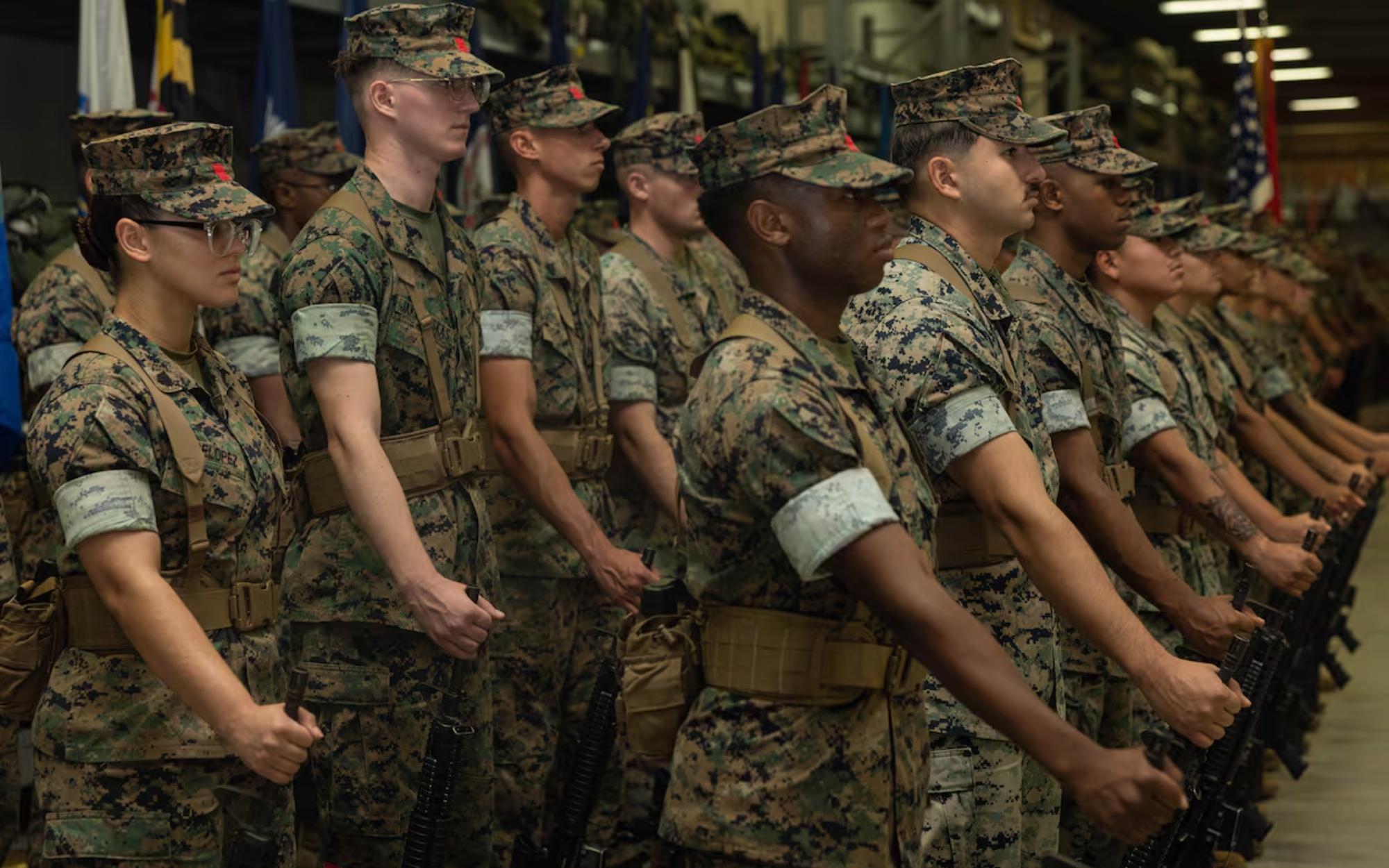
The United States and Saudi Arabia launched joint airstrikes Tuesday against Iran backed terrorist targets in Iraq, sending a very direct message to Tehran and its militia network after another round of attempted attacks on American forces.
American and Saudi fighter jets hit logistics and weapons sites used by the terrorists, according to the report, after US Central Command said Iran had tried to stage a “surprise attack” on US forces in the Middle East.
CENTCOM said the Islamic Revolutionary Guard Corps directed more than 30 drone attacks over the last three days.
Every one of them failed, which is not exactly the image of strength Tehran loves to sell to its useful idiots around the globe.
Here’s What They’re Not Telling You About Your Retirement
The command also revealed that the pressure campaign has been far larger than one bad week.
From February through April of 2026, Iranian supported militias in Iraq attempted more than 600 attacks against Americans and US facilities.
That is not diplomacy, and it is not some misunderstood regional grievance.
It is a sustained terror campaign by a regime that keeps poking the eagle and then acting shocked when the claws come out.
This Could Be the Most Important Video Gun Owners Watch All Year
“The IRGC and its terrorist proxies must cease these attacks to avoid further U.S. military response.”
CENTCOM said the latest escalation included a Tuesday night missile attack from Iran, with IRGC forces firing multiple ballistic missiles at American forces in the region.
The missiles were intercepted before they could hit their targets.
The strike campaign comes at a tense moment, since mediators have been claiming that ceasefire talks involving the United States and Iran have made “significant” progress.
Funny how the mullahs always seem to discover negotiation right after their hardware starts exploding.
President Trump halted new strikes on Iran last Friday, but he has made clear that restraint is not surrender.
The president has sounded cautiously optimistic about a deal, while also warning that the military option is still very much on the table.
“You know, they wanted to talk. … we’re having good talks, so we’ll see what happens,” Trump told reporters Monday.
“I think there’s a good chance that something could happen, and if it does, good. If it doesn’t, we go back to doing what we were doing two days ago,” Trump warned.
That is the sort of language Tehran understands far better than think tank poetry or State Department hand-wringing. If talks work, fine, but if terrorists keep targeting Americans, then the response should be fast, painful and unmistakable.
WATCH:
The United States is also working with Qatar, Pakistan and Egypt as talks continue between Iran and Oman over the future of the Strait of Hormuz.
Sources told Axios and the Associated Press that the waterway remains a major focus of the current negotiations.
The strait is one of the most important maritime routes in the world, and Iran has repeatedly used threats against it as a pressure tactic.
The Trump administration position is simple enough, the waterway should remain free and open, just as it was before the war began.
Omani negotiators said Monday that efforts to create what they describe as fair management of the Strait of Hormuz with Iran are being complicated by fee proposals.
One idea would allow Iran and Oman to collect service fees for maintaining maritime security along the route.
A regional source told Axios that the arrangement would position Iran and Oman as caretakers of the strait.
Another proposal would mirror the Strait of Malacca model, where Malaysia, Indonesia and Singapore collect fees tied to maintenance and management.
The problem, of course, is that Iran is not a neutral crossing guard in a reflective vest.
It is the same regime whose terror proxies just launched wave after wave of failed attacks against American forces.
For now, the message from Washington and Riyadh is sharper than any negotiating memo.
Keep sending drones, missiles and militia thugs after Americans, and the next answer may come from the sky again.
The Real MOU: What Trump’s Iran Agreement Actually Says – Truth Thursday | EP 677
The opinions expressed by contributors and/or content partners are their own and do not necessarily reflect the views of LifeZette. Contact us for guidelines on submitting your own commentary.
Read the full article here


![“Equity” for Whom? Mamdani’s Government Grocery Plan Knifes Immigrant Businesses in the Back [WATCH]](https://www.rvmnews.com/wp-content/uploads/2026/07/2026.07.29-10.27-rvmnews-6a69d5919750c.jpg "“Equity” for Whom? Mamdani’s Government Grocery Plan Knifes Immigrant Businesses in the Back [WATCH]")



![Anne Hathaway Commands the ‘Verity’ Red Carpet in a Viral Power Move [WATCH]](https://www.boredtrashpanda.com/wp-content/uploads/2026/10/2026.10.01-10.02-boredtrashpanda-6abe2fa105030.jpg "Anne Hathaway Commands the ‘Verity’ Red Carpet in a Viral Power Move [WATCH]")