


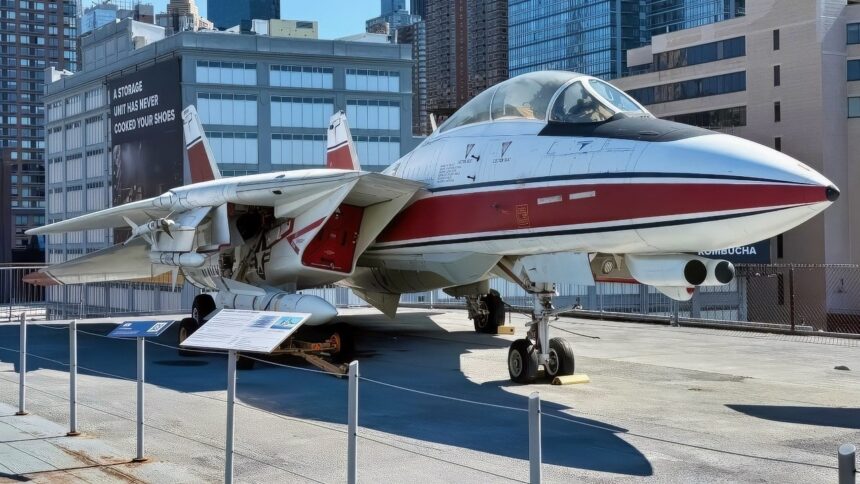

Summary and Key Points: Iran ordered 80 F-14A Tomcats under the Shah in a program worth roughly $2 billion, along with hundreds of AIM-54 Phoenix long-range missiles, and 79 of them had been delivered before the 1979 revolution swept away the government that bought them. What was left was one of the most sophisticated interceptors America had ever built, in the hands of a state that would spend the next half-century unable to buy a legal spare part for it. By 1986, six years into the war with Iraq, the number of airworthy Iranian Tomcats had reportedly fallen to 25. When the US Navy retired its own F-14s in 2006, Iran became the only country in the world still flying the type. Israeli strikes on the 8th Tactical Air Base at Isfahan in March destroyed at least two of the survivors, and probably three. How many remain is a question nobody outside Iran can answer.
Iran’s F-14 Tomcat: Are There Any Left?
While U.S. and Israeli strikes have failed to achieve the kind of result U.S. President Donald Trump had hoped for, they have achieved other things — among them, the destruction of Iran’s air force.
Or, at least, what was left of it.
The regime’s fleet of American-built F-14 Tomcats has likely finally disappeared after more than half a century of service, but nobody outside of Iran knows for certain if any are left.
Israeli strikes targeted Iran’s 8th Tactical Air Base at Isfahan in March, hitting the main hub of the Islamic Republic of Iran Air Force’s surviving F-14s.
Satellite imagery subsequently obtained by Western media showed at least two, and probably three, Tomcats destroyed on the ground, alongside other Iranian aircraft.
The strikes may have ended Iran’s decades-long relationship with the American aircraft, and it was significant not just because it took out some of Iran’s most valuable aviation assets, but because the U.S. Navy retired the F-14 in 2006.
That left Iran as the only country still operating the famous swing-wing fighter jet.
F-14 Tomcat at the Smithsonian. 19FortyFive.com original photo.
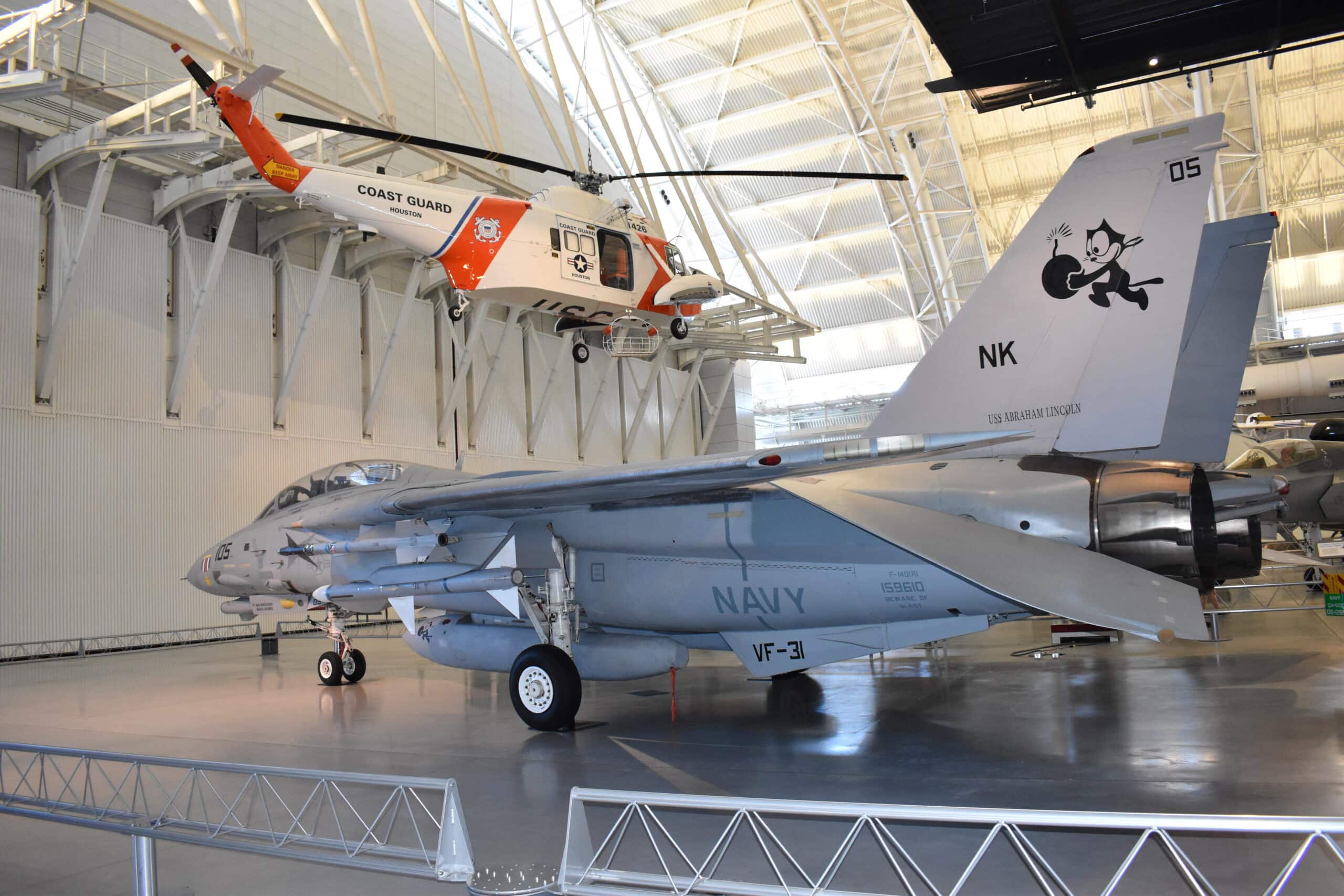
F-14 Tomcat at the Smithsonian. Image Credit: 19FortyFive.com
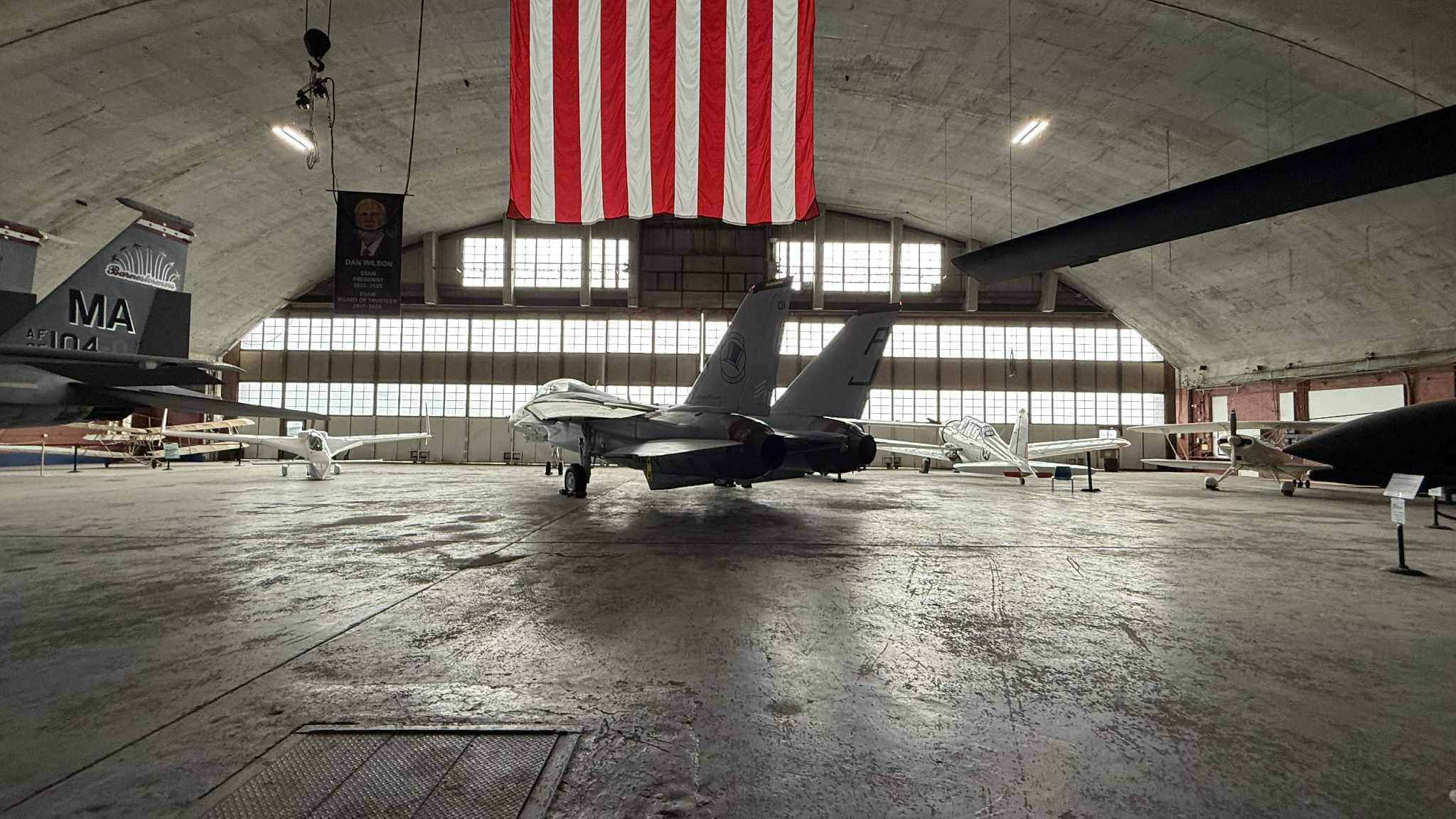
F-14 Tomcat. Image Credit: 19FortyFive.com
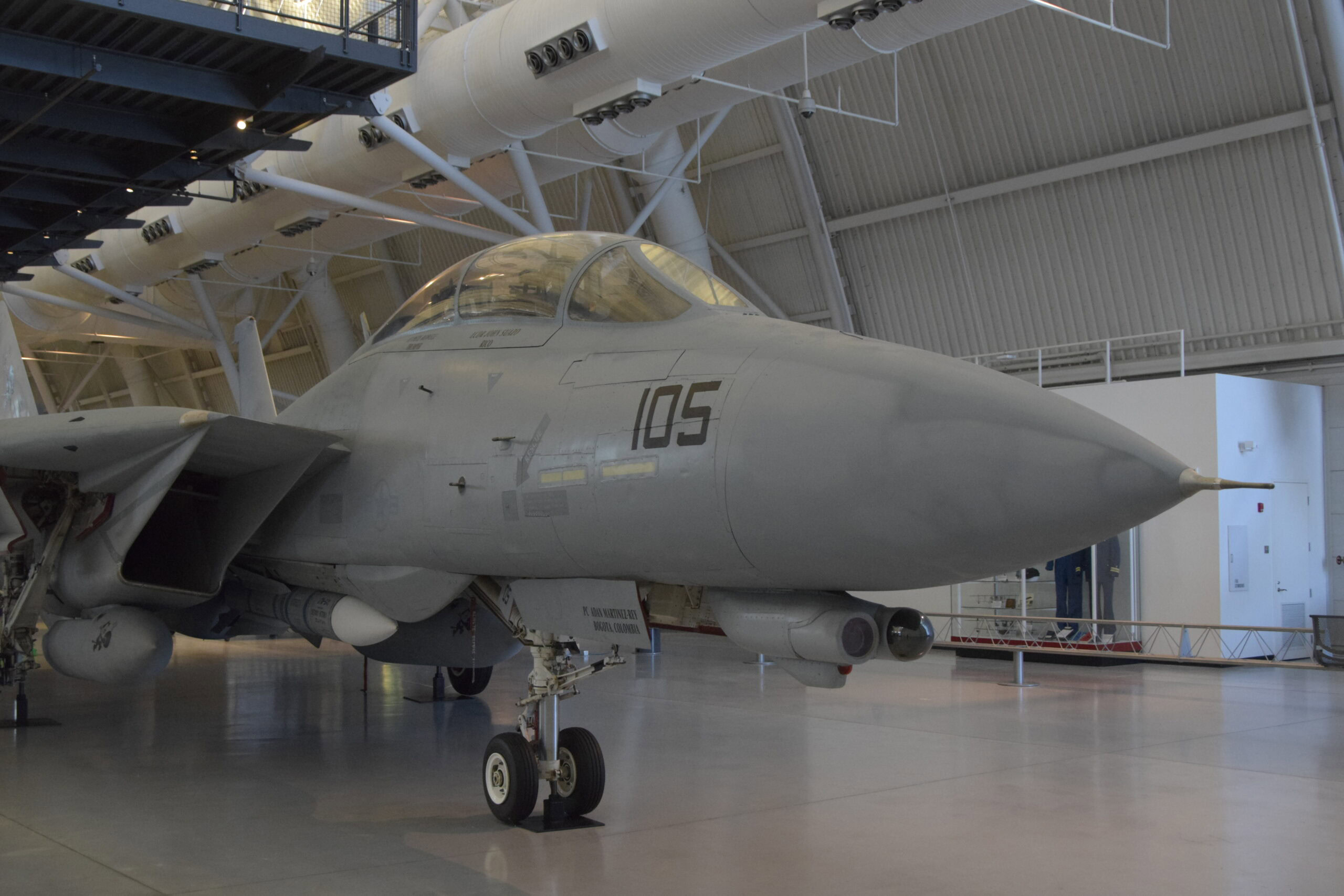
F-14 Tomcat at the Smithsonian. Image Credit: 19FortyFive.com
The world thought the Tomcat was finally over, but in June, Iranian state media released footage that appeared to show an operational F-14 returning from a mission.
The location and the date of the footage were not independently verified, meaning the footage could have been recorded before the conflict – but Iran has not provided an inventory of its surviving aircraft, so it could also be modern footage.
That means the Tomcat may still be operational, somewhere.
Despite decades of sanctions, cannibalization to keep the remaining aircraft operational, crashes, and U.S. strikes, nobody can really say with confidence how many Iranian Tomcats are still flying today.
How Iran Obtained the F-14
The current regime did not obtain the F-14 — the Shah did.
Under Shah Mohammad Reza Pahlavi, Iran was one of America’s most important Middle Eastern allies and spent heavily on advanced U.S. military equipment.
The Shah was particularly concerned about Soviet reconnaissance aircraft operating near Iranian territory and wanted an interceptor capable of detecting and engaging aircraft at long range.
The F-14 was the ideal solution.
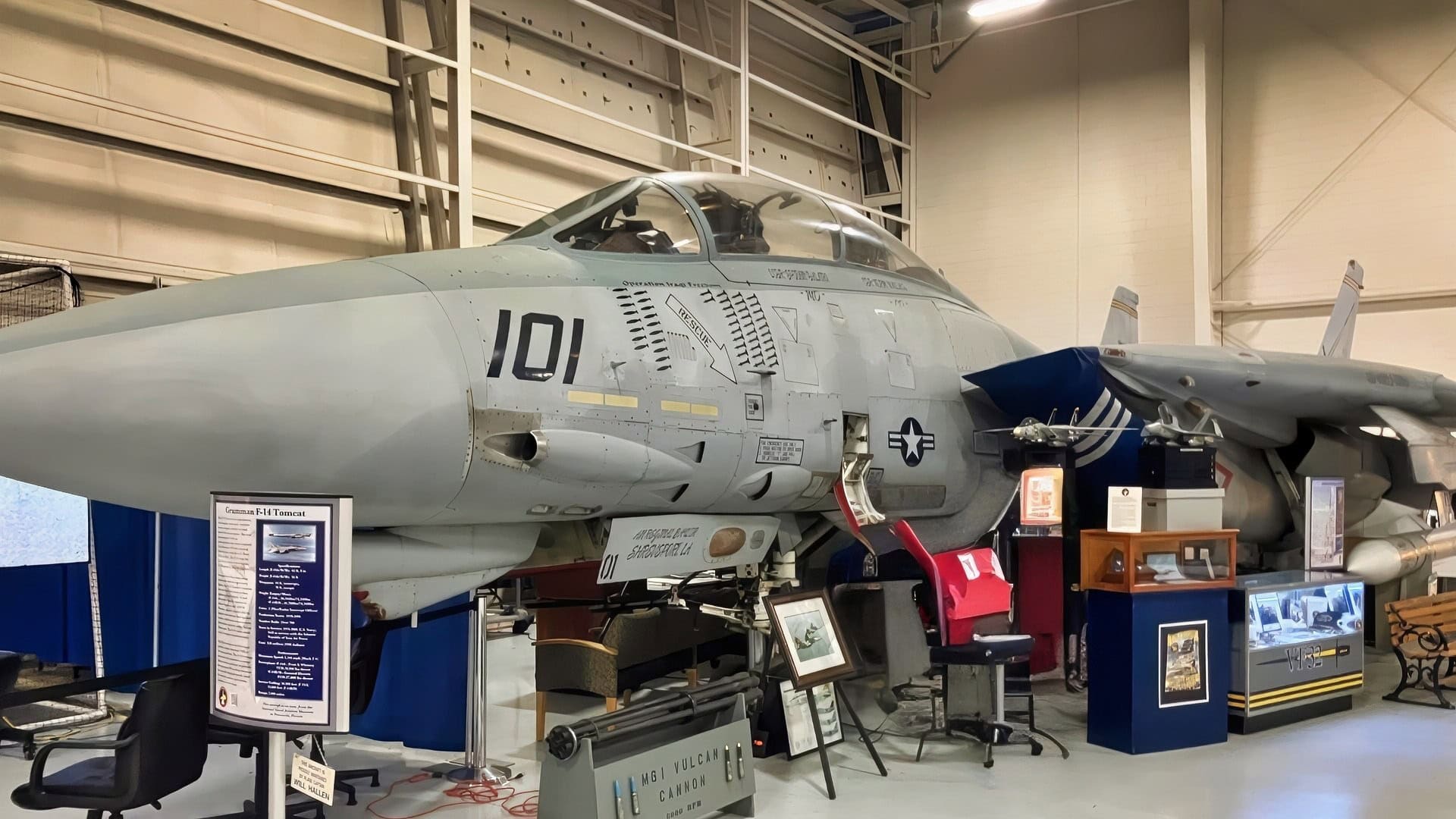
Aviation Museum of Kentucky F-14 Tomcat. Image Taken on March 1, 2026 by Christian D. Orr.
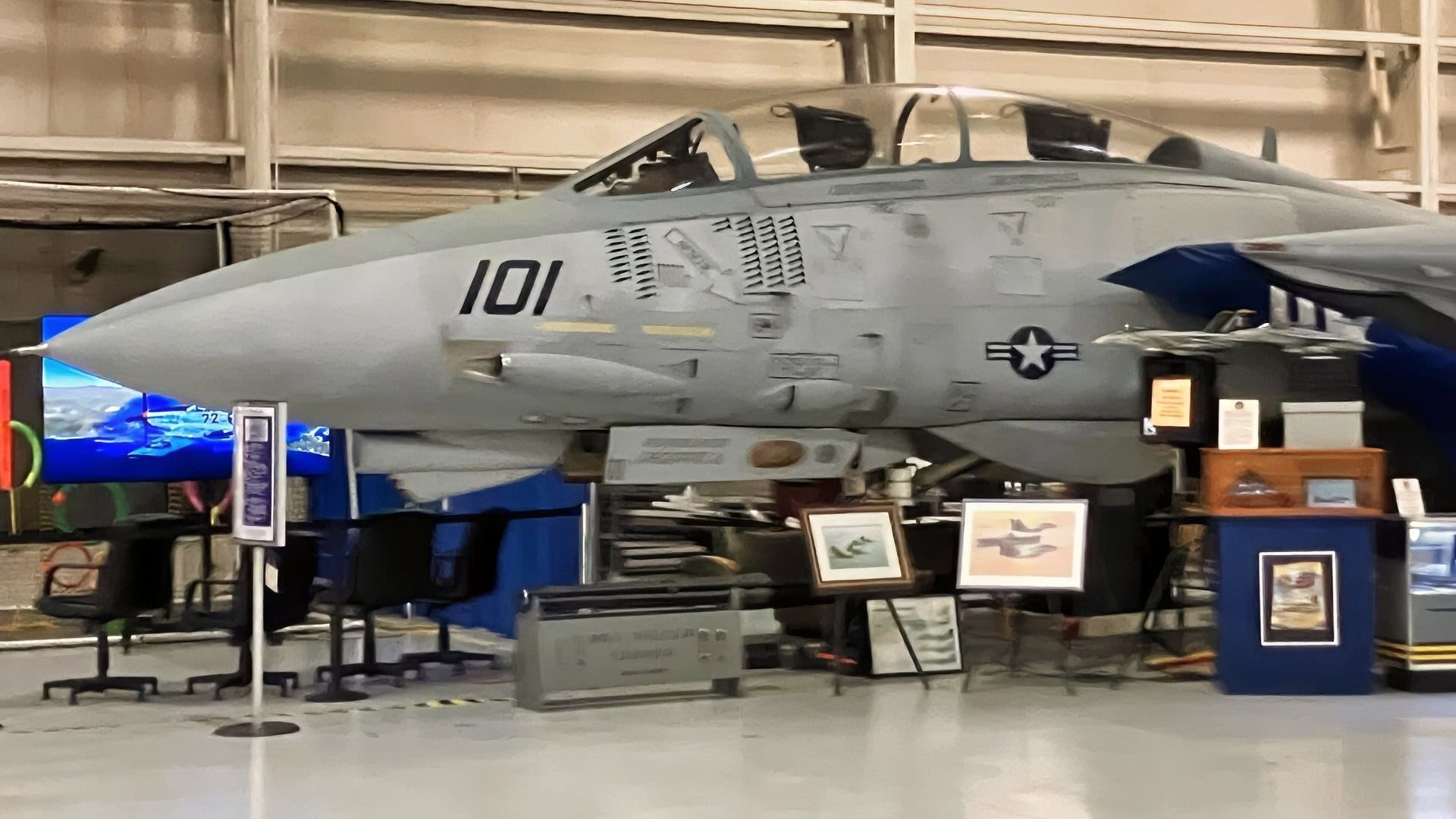
Aviation Museum of Kentucky F-14 Tomcat. Image Credit: 19FortyFive author Christian D. Orr. Taken on March 1, 2026.
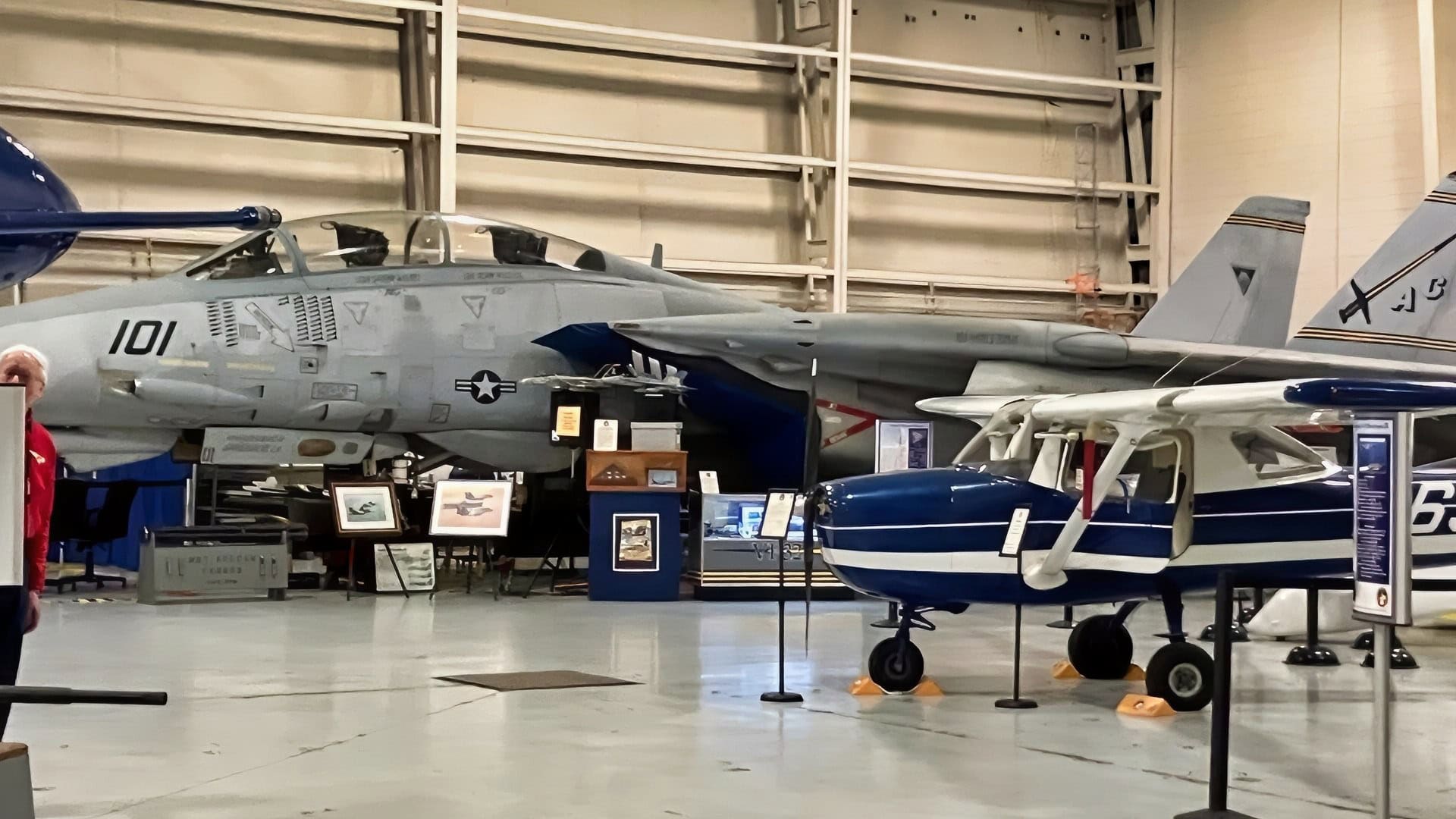
F-14 Tomcat at Aviation Museum of Kentucky. Taken by 19FortyFive.com by Christian D. Orr.
So, Iran ordered 80 F-14As and hundreds of AIM-54 Phoenix long-range air-to-air missiles in a program worth around $2 billion.
Iranian crews and technicians were given extensive training by the Americans, and a major base in Isfahan was turned into the center of Iran’s Tomcat operations.
79 of the 80 aircraft that were ordered were delivered before the 1979 Islamic Revolution overthrew the Shah – and the radicals who took over inherited the fleet.
It meant that almost overnight, one of America’s most sophisticated fighter jets belonged to a government that was openly hostile to the United States and the West.
Iran Used the Tomcat
Maintaining the aircraft became an immediate challenge for the new regime.
They had the aircraft, but they didn’t have access to American technical support.
Sanctions meant that access to replacement components became difficult, and the new government had lost the experienced military personnel who were trained to operate the aircraft after dismissing officers, forcibly retiring others, and even imprisoning and executing the rest.
Then, in September 1980, Iraq invaded Iran.
The Tomcat was still one of Iran’s most valuable military assets, and so they were used during the eight-year-long Iran-Iraq War to defend its oil facilities at Kharg Island, among other assets.
The aircraft’s powerful AN/AWG-9 radar also allowed Iranian crews to detect Iraqi aircraft at long distances, giving the Tomcat value beyond simply shooting down enemy fighters.
It’s hard to say exactly what the Tomcat’s record was, but it is clear that Iran struggled to keep the fleet operational. By 1986, the number of operational Tomcats in Iran had fallen to 25.
Keeping the Tomcat Alive
Despite losing its Tomcats at a rapid rate over the decades, Iran nevertheless managed to keep at least some of them flying for another four decades.
Iranian engineers were forced to take extreme measures to keep them flying, cannibalizing grounded Tomcats for parts and overhauling other parts domestically.
They even tried to manufacture replacement parts for equipment that could no longer be legally obtained, or was so outdated that it was virtually impossible to find.
Tehran also developed the Fakour-90 – a long-range air-to-air missile designed to be compatible with the F-14.
But determining exactly how successful those efforts were has become increasingly difficult.
Published inventories continued to list dozens of Iranian F-14s long after it became unclear how many were actually airworthy – but that doesn’t mean Iran has them.
For all we know, it could be zero.
The early U.S. and Israeli strikes on Isfahan destroyed several of those airframes, and Iran has offered no independently verified evidence suggesting how many have survived.
That could be because none of them survive. It could also mean that Iran is attempting to protect the assets it has left.
And the June footage suggests that, if the latter is true, then at least one aircraft could remain operational.
About the Author: Jack Buckby
Jack Buckby is a British researcher and analyst specializing in defense and national security, based in New York. His work focuses on military capability, procurement, and strategic competition, producing and editing analysis for policy and defense audiences. He brings extensive editorial experience, with a career output spanning over 1,000 articles at 19FortyFive and National Security Journal, and has previously authored books and papers on extremism and deradicalization.

![GOP Rep Thomas Massie Unveils Eight Articles of Impeachment Against War Secretary Pete Hegseth [WATCH]](https://www.rvmnews.com/wp-content/uploads/2026/09/2026.09.16-14.54-rvmnews-6aaaadb5a45a4-e1789575188794.jpg "GOP Rep Thomas Massie Unveils Eight Articles of Impeachment Against War Secretary Pete Hegseth [WATCH]")



![Ella Langley Celebrates Incredible 9 CMA Awards Nominations [WATCH]](https://www.boredtrashpanda.com/wp-content/uploads/2026/09/2026.09.16-17.12-boredtrashpanda-6aaacdf123add.jpg "Ella Langley Celebrates Incredible 9 CMA Awards Nominations [WATCH]")