


At 8 p.m. on Feb. 10, 1970, the darkness shrouding Fire Support Base Chamberlain in South Vietnam filled with moans, cries and the voice of a dead man. The U.S. Army was responsible for the broadcast.
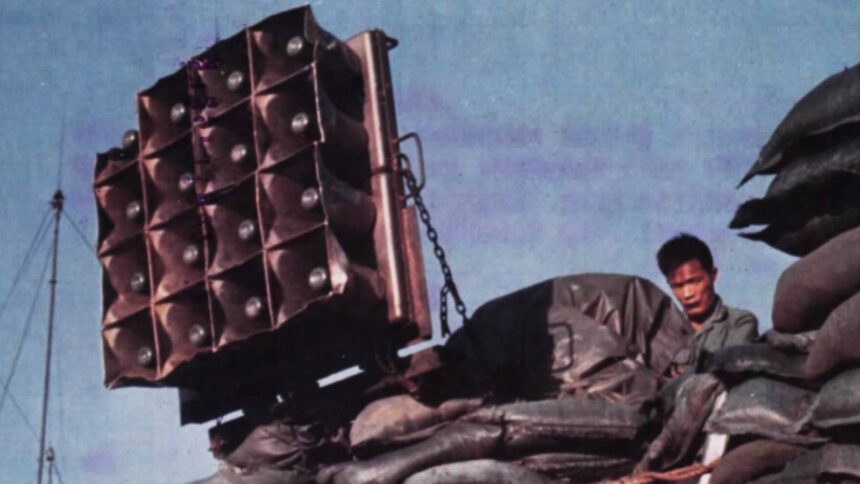
A psychological operations team supporting the 25th Infantry Division positioned loudspeakers around the base and played a recording called “The Wandering Soul.” The recording featured a voice warning enemy troops about the consequences of not receiving a proper burial.
The Army’s own Tropic Lightning News described the mission later that month under an irresistible headline: “Groaning Ghost Haunts VC.” In the issue, SP4 Frank Rezzonico wrote:
The moans, groans and weird sounds began at eight that night, a likely time for the cloudlike forms to reveal themselves. Of course, ghosts are nonexistent. . .or are they? In this case, the ghosts and weird sounds were furnished by the Sixth Psyops Team and the S-5 Section of the 1/27th Wolfhounds who were conducting a night mission at Chamberlain. With the help of loud speakers and a tape of ‘The Wandering Soul,’ a mythical tale of a V.C. gone to Buddha, the mission was a success.
A reconnaissance sweep after the broadcast detained three people, one of whom was jailed. The PSYOP officer involved told the paper that the results convinced his unit to use the tactic again. This was one example of psychological warfare tactics used during the Vietnam War, involving recordings intended to influence enemy troops.
The Army Tried to Turn the Dead Into a Psychological Weapon
The recordings became part of a campaign widely remembered as Wandering Soul. The 6th Psychological Operations Battalion, activated in Vietnam in November 1965, was among the Army units conducting psychological warfare missions during the conflict.
The concept drew on Vietnamese traditions surrounding ancestors and people who died violently or far from home. Anthropologist Heonik Kwon has documented the important place that displaced and unsettled war dead occupy in Vietnamese ritual and memory, including beliefs and practices surrounding spirits separated from their families and proper graves.
American PSYOP specialists tried to exploit those ideas.
One surviving recording, commonly known today as “Ghost Tape Number 10,” runs nearly four minutes. Funeral music gives way to distorted voices, crying family members and a supposed dead soldier telling his comrades that his body is gone and urging them to go home while they still can. A copy of the U.S. military recording survives in the public domain.
The tapes were played from aircraft or ground loudspeakers, often at night.
Chad Spawr, who served as a team leader with the 6th Psychological Operations Battalion in 1968 and 1969, described the tape decades later in an oral history preserved by Texas Tech University’s Vietnam Center and Sam Johnson Vietnam Archive.
Spawr recalled a recording made in a North Vietnamese dialect, with the supposed dead man’s voice manipulated through an echo chamber. He called the result “very haunting, very eerie.”
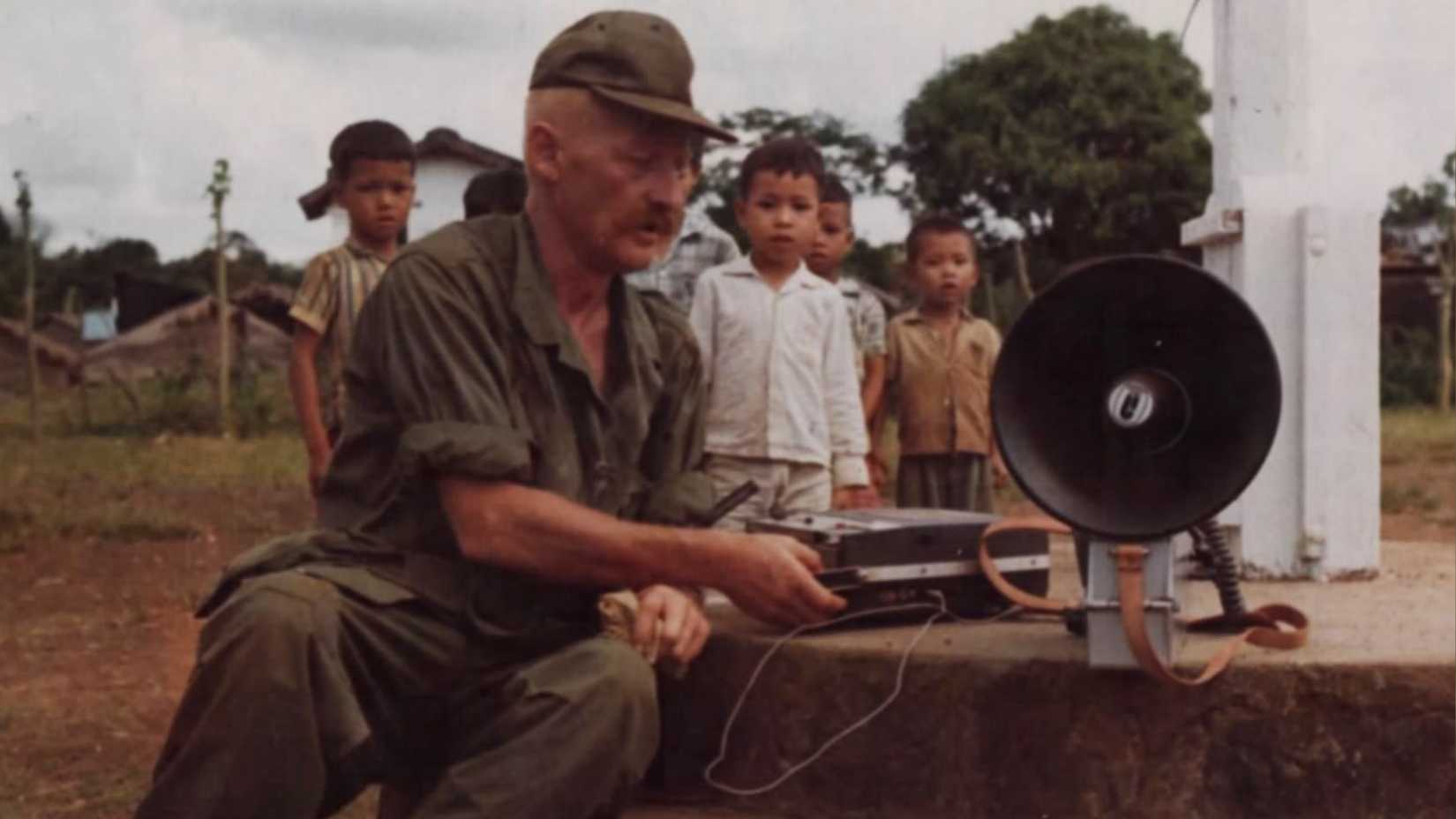
He sometimes joined nighttime patrols with infantry units, placed a battery-powered speaker in a tree, and directed it toward suspected enemy positions. The tape played for hours.
According to Spawr, prisoners captured after some operations told interrogators they had heard the recording and were frightened by it. American personnel also had to be careful where they used it. Spawr recalled being warned against playing the tape close enough for South Vietnamese soldiers to hear because the same cultural themes could disturb friendly troops.
Sometimes the ‘Ghosts’ Got Shot At
Enemy troops did not only respond with fear. Spawr also recalled setting up a speaker in a tree north of a compound and broadcasting Wandering Soul toward nearby villages. Eventually, sniper fire started coming back toward the sound.
His team returned on subsequent nights, changing the speaker’s location and volume.
Other PSYOP veterans remembered similar results. Accounts collected from personnel involved in the campaign describe the recording as unusually reliable at drawing enemy fire. That made broadcasting it dangerous, but it could also reveal concealed positions when enemy troops shot toward the source of the voices.
The Army’s contemporary reporting was considerably more confident about the tactic’s effectiveness. After the February 1970 mission at Fire Support Base Chamberlain, 1st Lt. Peter Boni, the officer in charge of the PSYOP team, told Tropic Lightning News that the soldiers were deliberately playing on enemy “fears.” The unit intended to repeat the experiment.
The surviving evidence does not establish how many enemy troops surrendered, deserted or changed their behavior because of the recordings. Personal accounts suggest reactions ranged from genuine fear to anger and gunfire.
The effectiveness of Wandering Soul remains unclear. The Army combined funeral music, altered voices, and cultural beliefs into a portable psychological operations tool. Sometimes enemy soldiers listened. Sometimes they fired back.