
WHAT YOU NEED TO KNOW
- The Army wants industrialized construction to reduce building costs by 30% and cut construction time in half.
- New facilities would be designed for approximately 25 years instead of the traditional 50 year lifespan.
- Aircraft hangars, barracks, maintenance facilities, kennels and child development centers must use specified alternative construction methods.
- A Fort Bliss barracks project using 3D printing housed 560 troops and delivered 9.3% cost savings.
The Army is backing industrialized construction methods intended to reduce building costs by 30% and cut construction time in half, according to a July 31 memo. The tradeoff is a planned reduction in building lifespans from 50 years to approximately 25 years.
W. Jordan Gillis, assistant secretary of the Army for Installations, Energy and Environment, signed the memo. It directs “the adoption of installation resilience through Industrialized Construction” using methods including 3D printing, rapidly deployed tension fabric structures, parts kits and pre-engineered steel structures.
“The intent is to accelerate the delivery of critical infrastructure, reduce initial capital costs, and increase the flexibility of the Army’s real property portfolio to meet rapidly evolving warfighter requirements,” the memo states.
It also argues that “traditional design-bid-build processes and on-site construction methods are too slow and costly to keep pace with modem operational requirements.” The Army is therefore moving aggressively toward alternative methods as primary forms of construction.
Gold. Upgraded. Buy real gold from $1. Store it in America. Sell it with one click.
The memo says Army facilities have traditionally been engineered to remain standing for 50 years, even though some became functionally obsolete before suffering structural deficiencies. Under the new approach, their planned useful lifespan would be cut roughly in half.
“Historically, Army facilities have been engineered for 50-year lifespans, often becoming functionally obsolete before structurally deficient,” the memo states. “Moving forward, facilities will be designed to optimize an approximately 25-year lifespan.”
According to the memo, that shorter target would give the Army more flexibility to align buildings with supported platforms. It would also allow structures to be relocated, repurposed or rapidly recapitalized as military missions change.
The policy took effect when the memo was signed. Aircraft hangars, child development centers, maintenance facilities, barracks and kennels are among the buildings that must use the specified industrialized construction methods.
This Could Be the Most Important Video Gun Owners Watch All Year
Hangars are directed to use tension fabric construction to provide “adequate environmental protection” while enabling quick construction. Maintenance facilities are expected to use pre-engineered metal or panelized steel for “heavy duty structural support,” simplified procurement and faster construction.
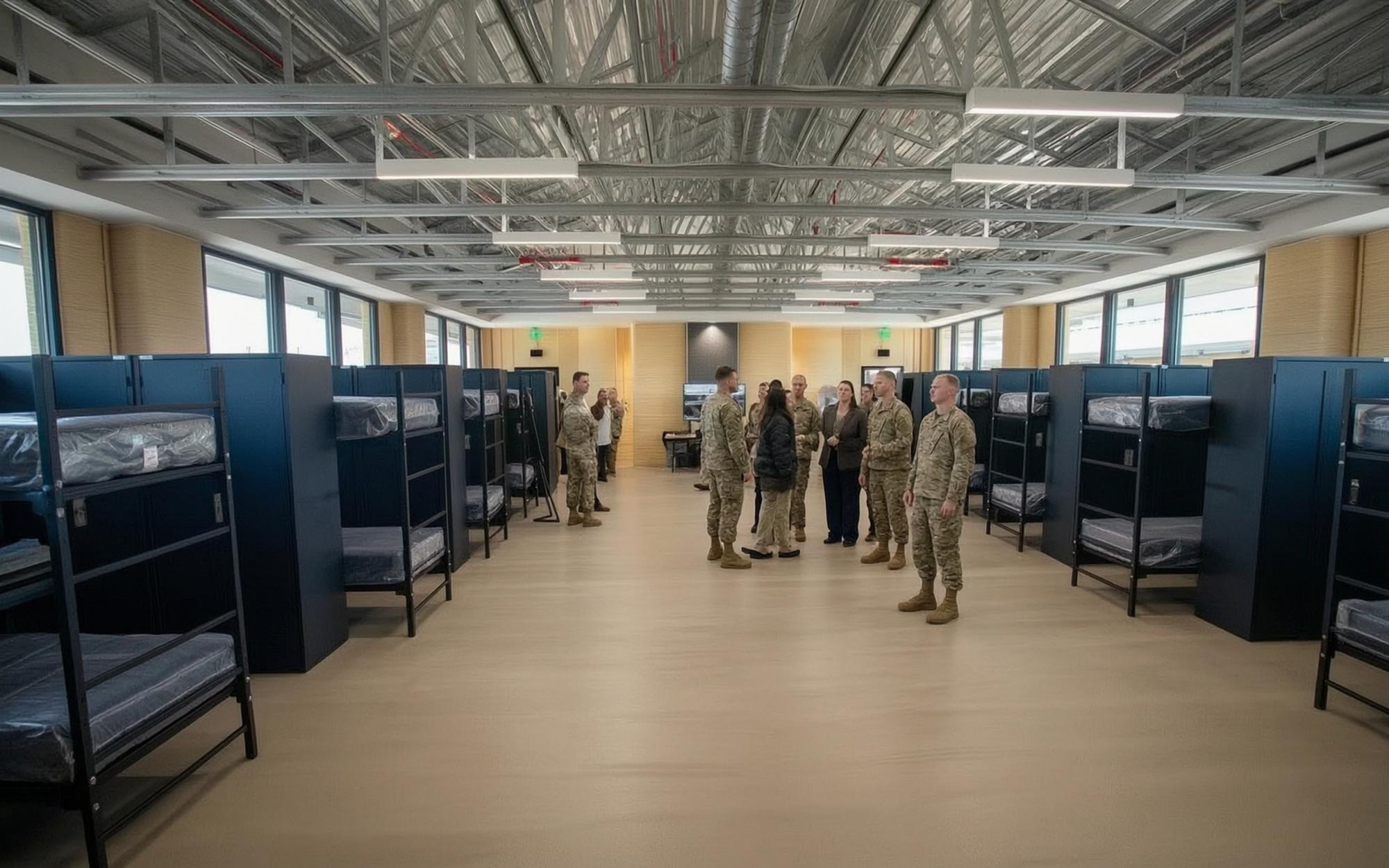
Barracks, kennels and child development centers are supposed to use kits, modular methods or 3D printing. The memo says those approaches can “drastically reduce the time soldiers wait for new facilities.”
Builders seeking to depart from the prescribed methods must obtain an exception personally approved by the deputy assistant secretary of the Army for Installations, Housing and Partnerships. Security requirements could drive some of those exceptions.
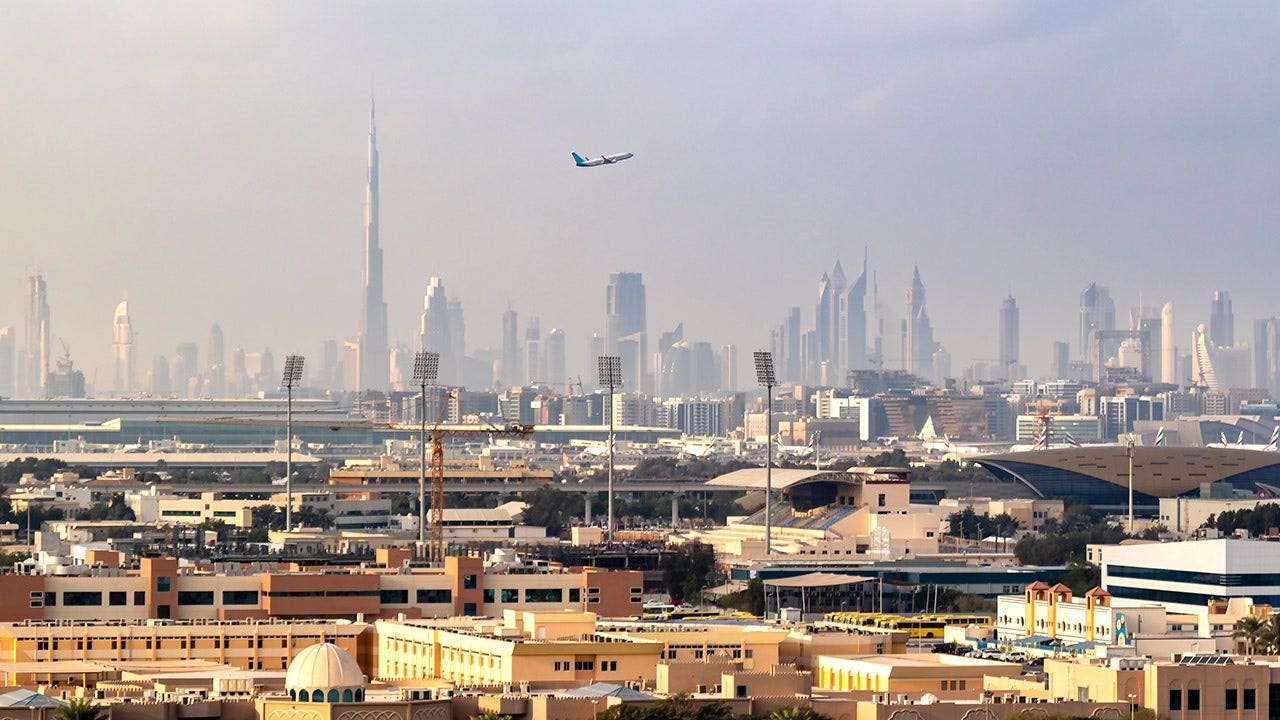
Operation Epic Fury has renewed discussion about hardening hangars and other structures on military bases, particularly those outside the continental United States. The concern cited involves increased threats from Iran and other adversaries.
The sweeping construction shift has also left some officials searching for contractors capable of handling the work. In late August, the Army Corps of Engineers’ North Atlantic Division published a market survey requesting information about companies’ capabilities, maturity and capacity to deliver the desired building methods.
That survey also directly raised the question of whether cheaper, faster construction methods can meet the Army’s desired 25 year lifespan. Contractors were asked to assess whether the industrialized methods described in the memo were viable for that expectation.
The Army Corps of Engineers’ Far East Division issued a similar survey. That effort sought information about Korean companies’ experience and comfort with the new construction techniques.
Army spokesman Lt. Col. Orlandon Howard called the change “an active, ongoing transition to start realizing construction efficiencies and cost-savings right now,” while emphasizing that policy changes began before the July 31 memo.
Howard pointed to a 10 building barracks project produced through 3D printing at Fort Bliss, Texas, as the Army’s “flagship proof of concept.” The project was designed for 560 troops, officially opened in July and was completed in about six months.
According to Howard, the Fort Bliss project delivered a 9.3% cost savings. “This successful deployment is the blueprint we will use to scale these modern capabilities across the enterprise over the next 12 months,” he added.
Gold is the oldest answer. SoundMoney makes owning it as easy as the apps you already use.
The opinions expressed by contributors and/or content partners are their own and do not necessarily reflect the views of LifeZette. Contact us for guidelines on submitting your own commentary.
Read the full article here