
WHAT YOU NEED TO KNOW
- European governments are seeking greater control over satellite infrastructure after U.S. access restrictions exposed dependence on outside suppliers.
- Novaspace expects defense intelligence, surveillance and reconnaissance satellite numbers to increase more than fourfold through 2035.
- U.S. and European companies are promoting local manufacturing, sovereign services and software that allows countries to combine satellite assets.
- Germany plans to invest €35 billion in sovereign military space capabilities by 2030.
- European officials say sovereignty also requires dependable access to launchers and stronger coordination among EU members.
European governments are pressing for greater control over satellite infrastructure as concerns grow about dependence on outside suppliers.
Executives and policy makers said recent U.S. restrictions on satellite access in Ukraine and the Middle East have sharpened demand for sovereign capabilities.
Sovereignty repeatedly surfaced during World Space Business Week, held from Sept. 14 to 17 in Paris, and its two day Space Defense & Security Summit side event.
European companies promoted complete satellite systems for local customers, while U.S. firms emphasized European manufacturing and satellites available without International Traffic in Arms Regulations restrictions.
Gold. Upgraded. Buy real gold from $1. Store it in America. Sell it with one click.
“The drive to sovereignty, we all have customers that want to go there,” said Noam Segal, chief executive officer of Israeli firm ImageSat International, or ISI. He said military customers could encounter geopolitical circumstances in which a supplier cannot deliver.
The war in Ukraine demonstrated the battlefield importance of satellite data and Western military reliance on U.S. companies for critical space capabilities.
Starlink restrictions in Ukraine, a March 2025 halt in U.S. intelligence sharing with Ukraine and imagery restrictions over the Middle East in 2026 have encouraged European governments to seek alternatives.
Image Credit: DoW
This Could Be the Most Important Video Gun Owners Watch All Year
Guillaume de la Brosse, head of the defense policy and innovation unit at the European Commission, said Ukraine revealed “the importance of indeed not being reliant on solutions you don’t control.” He described a clear need to accelerate sovereign European space capabilities.
That approach would include a minimum backbone of public assets owned by the European Union or its members, along with an EU industry capable of delivering services under European control. De la Brosse said cooperation would remain necessary, but sovereignty must come first.
“Sovereignty very much matters, this is what we’ve learned from Ukraine,” De la Brosse said. “That does not preclude the fact that we need cooperation, whatever happens, but that as a pre-requirement has sovereignty.”
Image Credit: DoW
Jean-Baptiste Paing, a deputy director at France’s Directorate General for Armament, said sovereignty provides the ultimate guarantee of freedom to assess and act when conflict begins. He cited difficulties securing commercial satellite communications over Afghanistan and gaining commercial imagery during crises in the Middle East.
The emergence of New Space has helped reduce launcher and satellite costs as the industry shifted from government dominance toward private companies. Executives said that change allows European governments with relatively limited budgets to begin developing sovereign space capabilities.
Industry consultancy Novaspace, which organized the conferences, expects the number of intelligence, surveillance and reconnaissance satellites used for defense to increase more than fourfold through 2035. The consultancy called those satellites a key priority for most nations.
Vincent Dedieu, chief executive officer of Sodern, an ArianeGroup unit, called New Space “an incredible opportunity” for countries that previously lacked a space industry. He said Poland, Bulgaria and Finland are using that opportunity to catch up in commercial and defense space.
Image Credit: DoW
Julia Gottfriedsen, chief technology officer at German thermal imaging startup Constellr, described a “seismic shift” in how governments and industry manage space capabilities. She pointed to Germany purchasing data from ICEYE and Rheinmetall for its brigade in Lithuania while also considering procurement of its own infrastructure.
Companies based in the U.S., including Planet Labs, BlackSky and Vantor, said their satellites could be delivered without ITAR restrictions. Several highlighted their European operations or their ability to manufacture satellites outside the United States.
HawkEye 360 CEO John Serafini cited partnerships with Italy’s Leonardo and Czechia’s ERA, plus a Luxembourg subsidiary. He said the company could meet European military requirements “regardless of how those customers want the sovereignty delivered to them.”
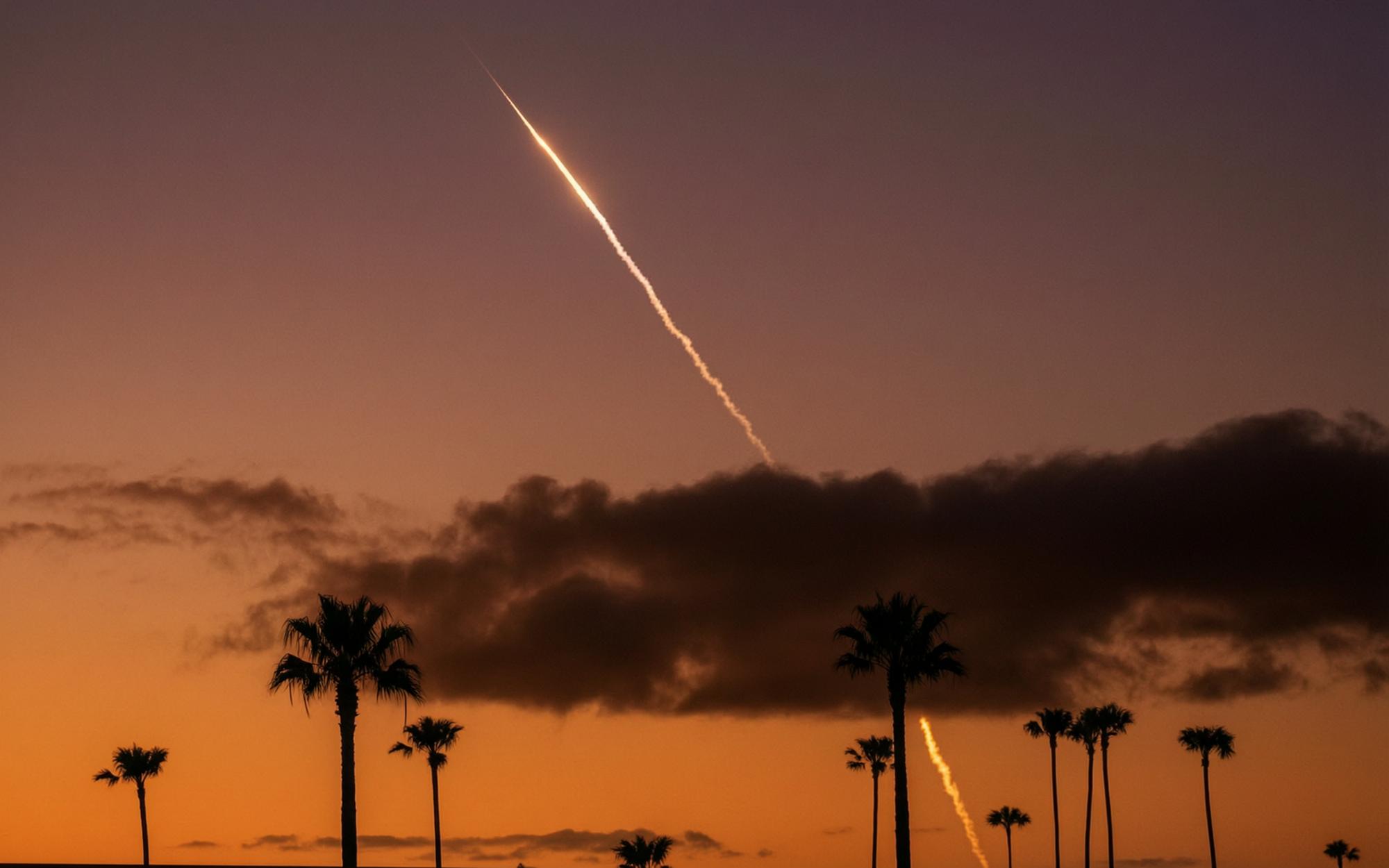
Image Credit: Beachside Stock
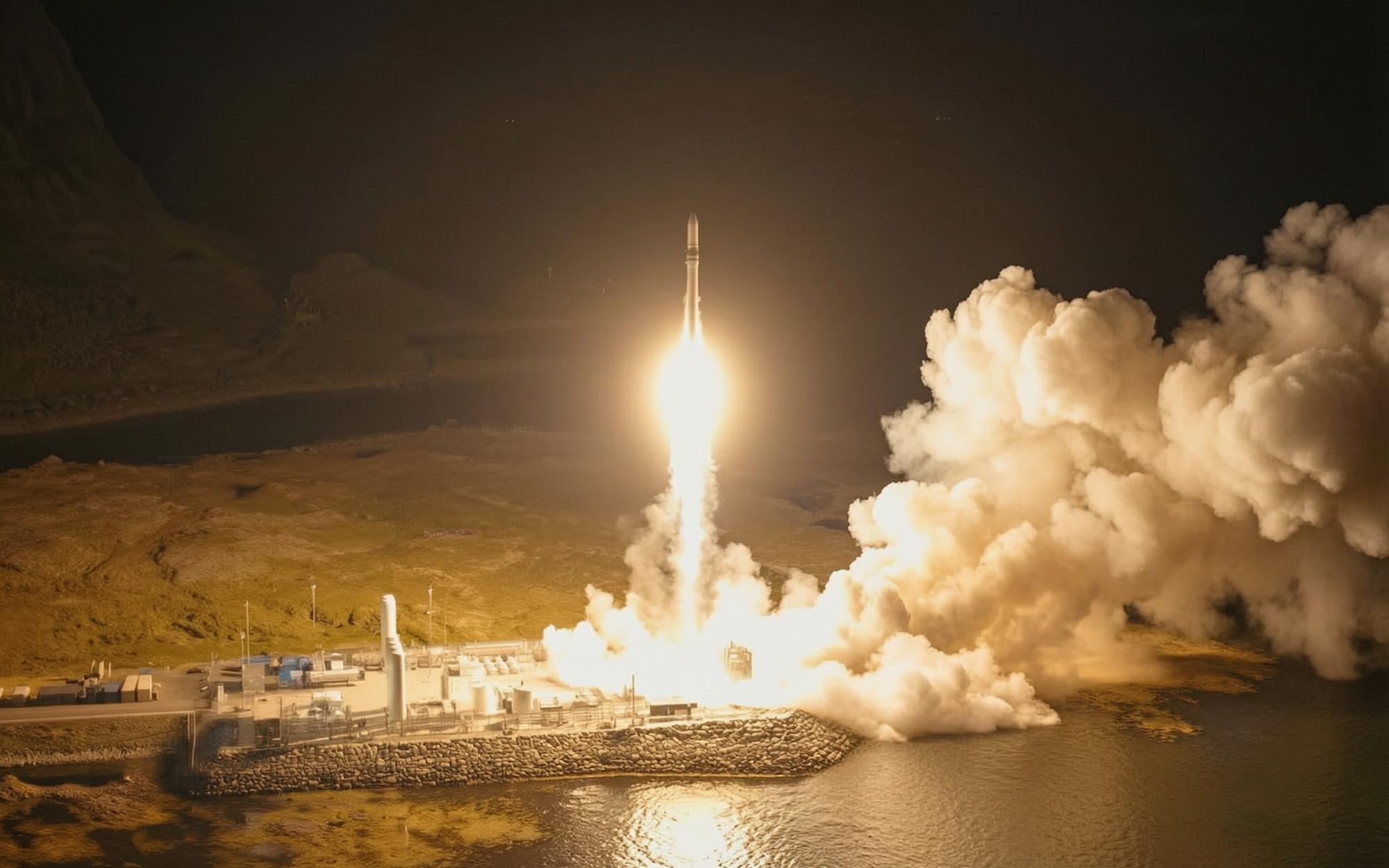
Planet Labs opened a new Berlin facility, where its first Pelican satellite built in Germany is expected to leave the production line by the end of the year. The company plans to send it into orbit on a German Isar Aerospace rocket launched from Norway sometime early next year.
Finland’s ICEYE is establishing a manufacturing site in western Germany for a German order covering a 40 satellite constellation. CEO Rafal Modrzewski said the facility will be controlled by a German owned entity and its entire supply chain will remain inside Germany, although such investment requires a sufficiently large order.
ICEYE also offers software allowing Sweden, Finland, Poland and the Netherlands to combine assets at the tactical level and borrow capabilities for areas of interest. Planet Labs cofounder Robbie Schingler said that ability to choose and network systems for an ad hoc mission also provides sovereignty.

Image Credit: DoW
The European Commission wants international cooperation to continue, including discussions with NATO about space security. It is also using the EU budget to encourage members to coordinate investments and pool resources rather than build constellations without considering other members.
Germany plans to invest €35 billion in sovereign military space capabilities by 2030. Paing said that choice should be viewed as a model for others, while adding that the investment should help build a stronger Europe.
Sovereignty also requires reliable launch access, an area where executives noted scarce launch slots. France’s Toutatis project, intended to place a maneuverable satellite into low Earth orbit, is still waiting for a launcher, according to MBDA executive Nicolas Lefort.
François Lombard of Airbus Defence and Space expressed optimism about new European launch providers able to carry one ton payloads into low Earth orbit. He cited Isar Aerospace and ArianeGroup’s MaiaSpace, arguing Europe needs competitive sovereign launch access for satellites that cannot be launched from other continents.
Gold is the oldest answer. SoundMoney makes owning it as easy as the apps you already use.
The opinions expressed by contributors and/or content partners are their own and do not necessarily reflect the views of LifeZette. Contact us for guidelines on submitting your own commentary.
Read the full article here