
NEWYou can now listen to Fox News articles!
U.S. District Judge James Boasberg on Wednesday ordered two Jan. 6 defendants pardoned by President Donald Trump to be refunded in full for restitution payments made and fines incurred as part of their earlier criminal cases — a reversal from just months earlier, when the same judge rejected their bid for repayment.
Boasberg used a memo order Wednesday to outline the fairly complex case history for Cynthia Ballenger and her husband, Christopher Price, both of whom had been tried and convicted on misdemeanor charges in connection with the events of Jan. 6, 2021, and ordered to pay hundreds of dollars in assessment fees and restitution.
Boasberg’s order effectively clears the way for the government to refund them both in full.
JUDGE BOASBERG TO WEIGH TRUMP CONTEMPT IN DEPORTATION CASE THIS WEEK
The new decision, he said, is the result of an appeals court decision, as well as the timing of Trump’s pardon, which came at the same time as their case had been pending appeal before the D.C. Circuit.
“Having viewed the question afresh, the court now agrees with the defendants,” Boasberg said.
Both defendants, Ballenger and Price, had been in the process of appealing their convictions when Trump took office for a second time this year and issued a sweeping pardon for the roughly 1,500 Jan. 6 defendants.
In July, Boasberg had rejected their request to be refunded the $570 each in restitution payments and other fees paid as a part of their convictions.
They later asked the court to reconsider, clearing the way for Wednesday’s new ruling.
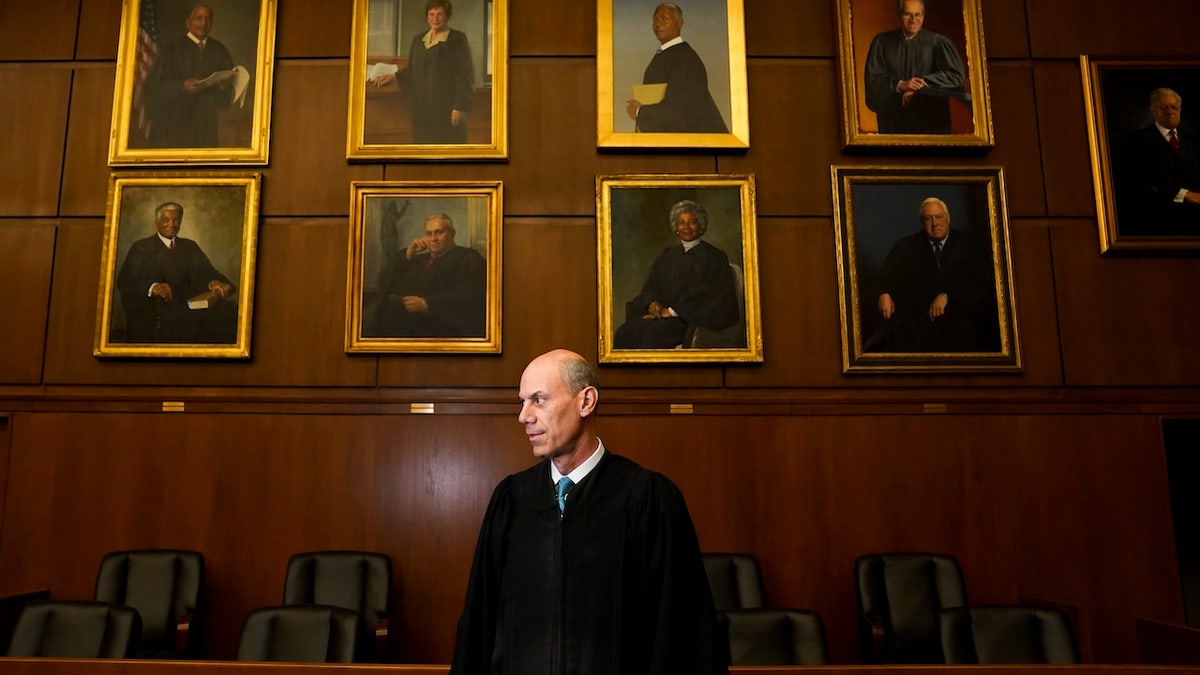
Boasberg, in the new memo order, cited the same precedent from July, which states that a pardon alone is not sufficient to entitle a former defendant to any property or compensation lost as a result of the conviction.
“By itself, defendants’ pardon therefore cannot unlock the retroactive return of their payments that they ask for here,” he noted Wednesday, reiterating that the court’s ruling on this portion of the appeal remains unchanged.
Rather, he said, the reversal hinged on the fact that both their cases had been pending before the U.S. Court of Appeals for the D.C. Circuit when Trump granted the pardon, “thereby moot[ing] their appeals,” and causing their convictions to be vacated completely by the higher court.
100 DAYS OF INJUNCTIONS, TRIALS AND ‘TEFLON DON’: TRUMP SECOND TERM MEETS ITS BIGGEST TESTS IN COURT
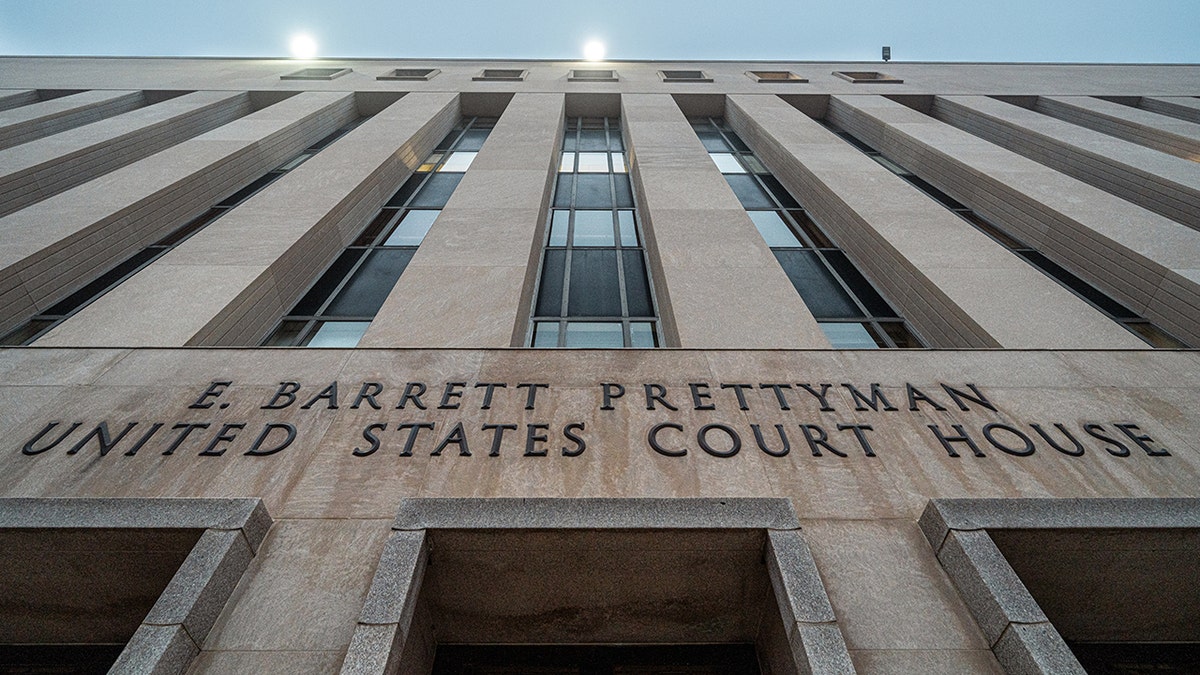
“So even if defendants’ pardon does not entitle them to refunds, the resulting vacatur of their convictions might,” Boasberg said, adding that it is true regardless of the reason for the vacatur. “In plain English, vacatur — unlike a pardon — ‘wholly nullifie[s]’ the vacated order and ‘wipes the slate clean.'”
The memo order goes one step further, however, as Boasberg considers not only whether a court can theoretically order repayments in the cases of vacated convictions, but if doing so is legally sound under the Appropriations Clause, and with respect to issues of sovereign immunity, which protects the government from being sued without its consent.
TRUMP BIRTHRIGHT CITIZENSHIP FIGHT HEADS BACK TO SUPREME COURT AS NEW TERM BEGINS
Ultimately, Boasberg concluded that the court has the power to order such repayment.
“Because the court could order defendants to pay assessments and restitution, it can order those payments reversed,” he said. “Those are two sides of the same action, and sovereign immunity does not stand in the way.”
The new memo order is likely to be seen as a win by some Trump allies, who have sought to cast Boasberg and other judges who have blocked or paused some of Trump’s most sweeping actions as rogue or “activist” judges.
“Having viewed the question afresh, the Court now agrees with defendants,” Boasberg said Wednesday.
“When a conviction is vacated, the government must return any payments exacted because of it,” he added.
CLICK HERE TO DOWNLOAD THE FOX NEWS APP
Some Democrats in Congress sharply criticized Trump’s pardons earlier this year, with the late ranking Democrat on the House Oversight Committee, Rep. Gerald Connolly, arguing in a letter that the pardons let Jan. 6 participants “off the hook” for an estimated $2.7 billion in estimated damages to the U.S. Capitol.
Read the full article here

![Biden Autopen Scandal Erupts as Trump Cancels Thousands of Documents [WATCH]](https://www.lifezette.com/wp-content/uploads/2025/09/2025.09.02-08.54-lifezette-68b75978a7875.jpg "Biden Autopen Scandal Erupts as Trump Cancels Thousands of Documents [WATCH]")


![Deep State Panic! Judicial Watch Drags 1.9 Million Hidden FBI Records Out of The Shadows [WATCH]](https://www.lifezette.com/wp-content/uploads/2025/05/2025.05.20-01.09-lifezette-682c7f16552e1.jpg "Deep State Panic! Judicial Watch Drags 1.9 Million Hidden FBI Records Out of The Shadows [WATCH]")