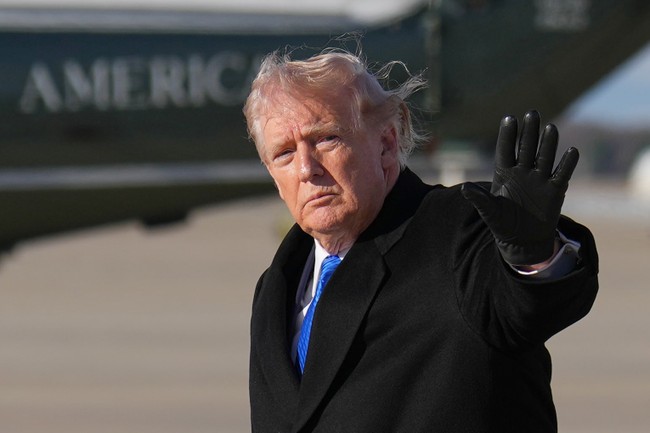
The White House said the order is designed to create “clear, consistent and fair” rules for college athletics after years of legal fights, state-by-state NIL laws, transfer portal battles, and massive growth in athlete compensation. According to the administration’s fact sheet, the order pushes for a five-year participation window, tighter transfer standards, regulation of NIL collectives, and protections for women’s and non-revenue sports as schools enter the revenue-sharing era.
One of the most significant pieces involves eligibility. The order directs the NCAA to create rules limiting college athletes to “no more than a five-year period” of participation. It also says athletes should be allowed one transfer before graduation without having to sit out a season, with the broader goal of slowing the revolving-door model that has taken over roster building in football and basketball. The rule changes are scheduled to take effect August 1, and the order says schools that play athletes outside those limits could risk losing federal funding.
The order also zeroes in on NIL money and the booster-driven collective system that has turned recruiting and roster retention into an arms race. The White House said donor-backed bidding wars have helped create “an out-of-control, rudderless system,” with some universities now spending tens of millions of dollars a year on players, mostly in football and men’s basketball. The administration pointed to estimates that one university’s football roster in 2025 would receive $35 million to $40 million with revenue sharing included.
Here’s What They’re Not Telling You About Your Retirement
Trump’s order comes at a time when schools are already preparing to directly share revenue with athletes under the House settlement framework, a shift that has dramatically changed how departments budget for football, basketball, and every other sport on campus. The administration said any revenue-sharing model must be implemented in a way that protects women’s sports and Olympic sports, which many leaders fear could get squeezed if too much money is funneled toward the biggest revenue generators.
The White House also directed federal agencies to get involved. According to the fact sheet, the Department of Education and the Federal Trade Commission are among the agencies expected to help enforce or clarify parts of the administration’s approach. The order additionally calls on the Secretary of Labor and the National Labor Relations Board to clarify the status of student-athletes, which has become one of the most explosive legal questions in college sports as schools, conferences, and the NCAA try to avoid a system that treats athletes as employees across the board.
Reaction to the order has been mixed, which is about the only part of this story nobody needed a federal directive to predict. Some conference commissioners, education leaders, and NCAA officials have welcomed federal involvement, arguing that college sports has been stuck in a patchwork mess of court rulings and conflicting state laws. Others have warned that parts of the order are likely to face immediate legal challenges, especially where it attempts to pressure schools through federal funding or impose restrictions that may collide with existing judicial decisions.
That legal backdrop matters because the NCAA has spent years asking Congress for help instead of trying to fight every fire with another internal rulebook rewrite. Lawmakers have floated proposals such as the SCORE Act, which Trump supports, that would provide the NCAA with a limited antitrust exemption and preempt conflicting state NIL laws. But those proposals have also drawn criticism from people who see them as too favorable to the NCAA and its most powerful schools.
This Could Be the Most Important Video Gun Owners Watch All Year
For now, the executive order is more roadmap than instant overhaul. It signals where the administration wants college sports to go and gives the NCAA and federal agencies cover to push harder in that direction. Whether all of it survives legal scrutiny is another matter. But the message from Washington was clear Friday: the free-for-all model that has defined modern college athletics is now facing a direct federal pushback, and the fight over money, movement, and control is heading into an even louder phase.
Warning: Account balances and purchasing power no longer tell the same story. Know in 2 minutes if your retirement is working for you.
The opinions expressed by contributors and/or content partners are their own and do not necessarily reflect the views of LifeZette. Contact us for guidelines on submitting your own commentary.
Read the full article here



![Donald Trump Triggers Robert De Niro into Proving He Suffers from TDS [WATCH]](https://www.boredtrashpanda.com/wp-content/uploads/2026/02/2026.02.24-07.24-boredtrashpanda-699d523955b8e.jpg "Donald Trump Triggers Robert De Niro into Proving He Suffers from TDS [WATCH]")
![Bodycam Shows Armed Suspect Get Ventilated by Police in Columbus, Ohio [WATCH]](https://www.lifezette.com/wp-content/uploads/2026/04/2026.04.04-07.10-lifezette-69d1622ca9465.jpg "Bodycam Shows Armed Suspect Get Ventilated by Police in Columbus, Ohio [WATCH]")
![Dr. Oz Reveals Absolutely Staggering Amount of Medicare and Medicaid Fraud [WATCH]](https://www.lifezette.com/wp-content/uploads/2025/12/2025.12.06-10.51-lifezette-69340a9442bcc.jpg "Dr. Oz Reveals Absolutely Staggering Amount of Medicare and Medicaid Fraud [WATCH]")