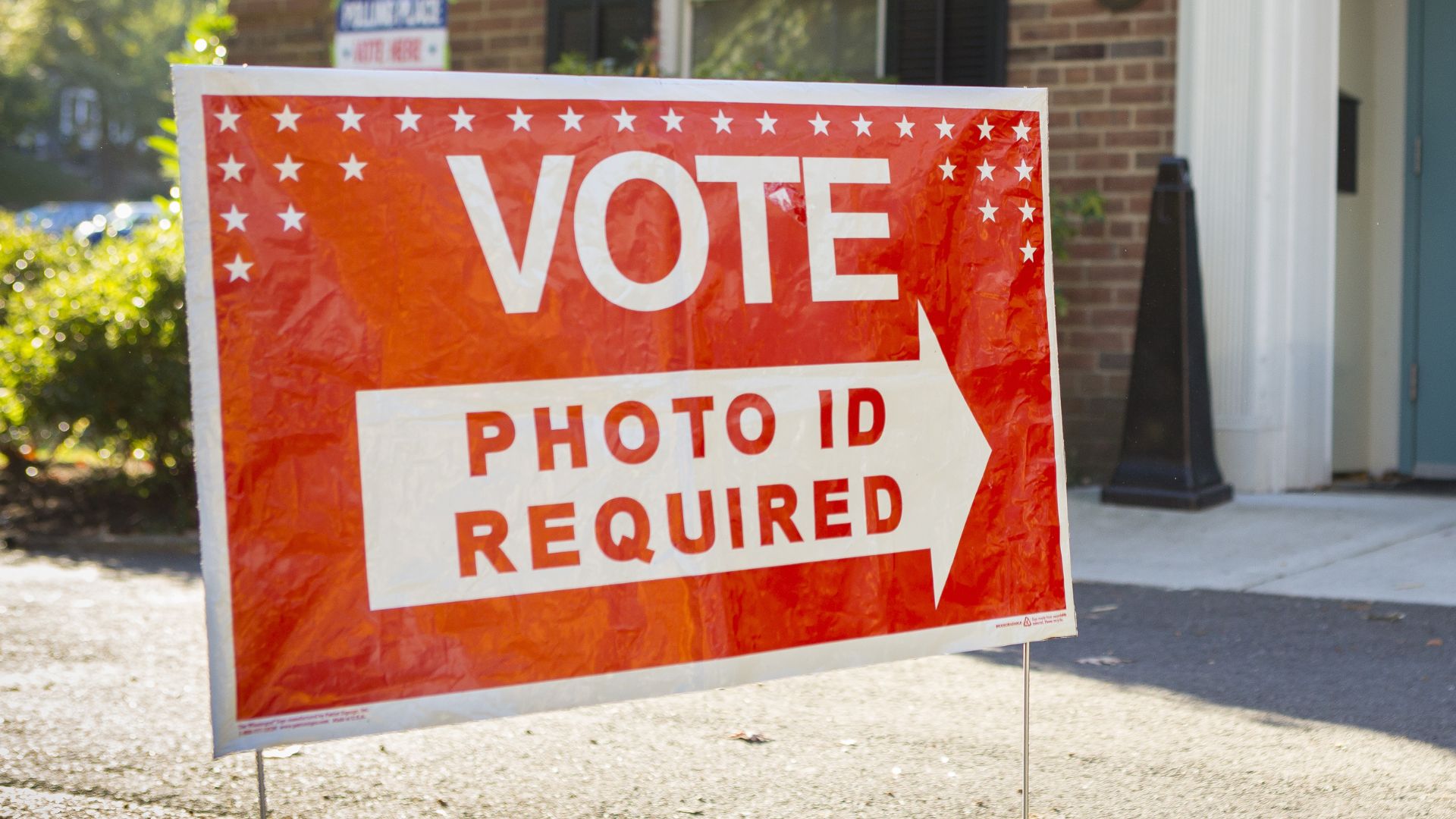

A federal judge in Oregon ruled Monday against a request by the Trump administration’s Department of Justice to obtain the state’s unredacted voter rolls, signaling another setback for the administration’s broader push to access voter registration data across the country, as reported by Fox News.
U.S. District Judge Mustafa Kasubhai said he plans to dismiss the Justice Department’s lawsuit and indicated that a final written opinion will be issued in the coming days.
The ruling prevents federal officials from accessing Oregon’s full voter registration database, which includes personal identifying information beyond what is typically available to the public.
Warning: Account balances and purchasing power no longer tell the same story. Know in 2 minutes if your retirement is working for you.
Oregon Attorney General Dan Rayfield welcomed the decision, arguing that the Justice Department failed to meet the legal threshold required to compel the release of the records.
“The court dismissed this case because the federal government never met the legal standard to get these records in the first place,” Rayfield told NBC News in a statement.
“Oregonians deserve to know that voting laws can’t be used as a backdoor to grab their personal information.”
The lawsuit in Oregon is part of a broader legal effort by President Donald Trump’s administration, which has filed suits seeking voter registration data in at least 23 states.
This Could Be the Most Important Video Gun Owners Watch All Year
According to court filings and public statements, the Justice Department has sought access to voter information, including names, dates of birth, residential addresses, driver’s license numbers, and partial Social Security numbers.
While basic voter registration lists, commonly referred to as voter rolls, are generally available to the public, state officials in multiple jurisdictions have resisted turning over more sensitive data.
The administration has argued that access to expanded voter information is necessary to enforce federal voting laws and ensure election integrity.
The issue has also surfaced prominently in Minnesota. Over the weekend, Attorney General Pam Bondi sent a letter to Minnesota Gov. Tim Walz outlining what she described as steps needed to restore order amid unrest in the state.
Among those steps was a request that Minnesota officials provide the DOJ Civil Rights Division with access to voter registration lists.
“You and your office must restore the rule of law, support ICE officers, and bring an end to the chaos in Minnesota,” Bondi wrote.
“Fortunately, there are common-sense solutions to these problems that I hope we can accomplish together.”
Minnesota officials have acknowledged that while standard voter rolls are public, the Justice Department has requested additional sensitive information tied to those records. The state has so far resisted providing that expanded data.
Democratic officials quickly criticized Bondi’s letter, framing it as an attempt to pressure Minnesota over its status as a political battleground.
Rep. Ilhan Omar, D-Minn., reacted on X by writing, “‘ICE will leave Minnesota if you hand over your voter rolls’ tells you everything you need to know.… It was always about rigging elections.”

Sen. Chris Murphy, D-Conn., also commented on X, misstating that Bondi’s letter said ICE would “leave if the state turns over its voter database to Trump.”
Murphy went on to claim that the Trump administration’s immigration enforcement actions in Minnesota were a “pretext for Trump to take over elections in swing states.”
During a separate federal court hearing Monday addressing ICE’s broader operations in Minnesota, Lindsey Middlecamp, an attorney representing the state, argued that Bondi’s letter resembled a coercive “ransom note,” according to statements made in court.
The Oregon ruling adds to a growing legal debate over how far the federal government can go in compelling states to release voter data and what safeguards exist to protect personal information contained in voter registration systems.
As similar lawsuits continue in other states, additional court decisions are expected to shape the outcome of the administration’s nationwide effort.
The opinions expressed by contributors and/or content partners are their own and do not necessarily reflect the views of LifeZette. Contact us for guidelines on submitting your own commentary.
Read the full article here


![Trump’s New Mail-In Ballot Executive Order Explained by Howard Lutnik [WATCH]](https://www.lifezette.com/wp-content/uploads/2025/08/2025.08.27-09.18-lifezette-68aecd7614ea4.jpg "Trump’s New Mail-In Ballot Executive Order Explained by Howard Lutnik [WATCH]")