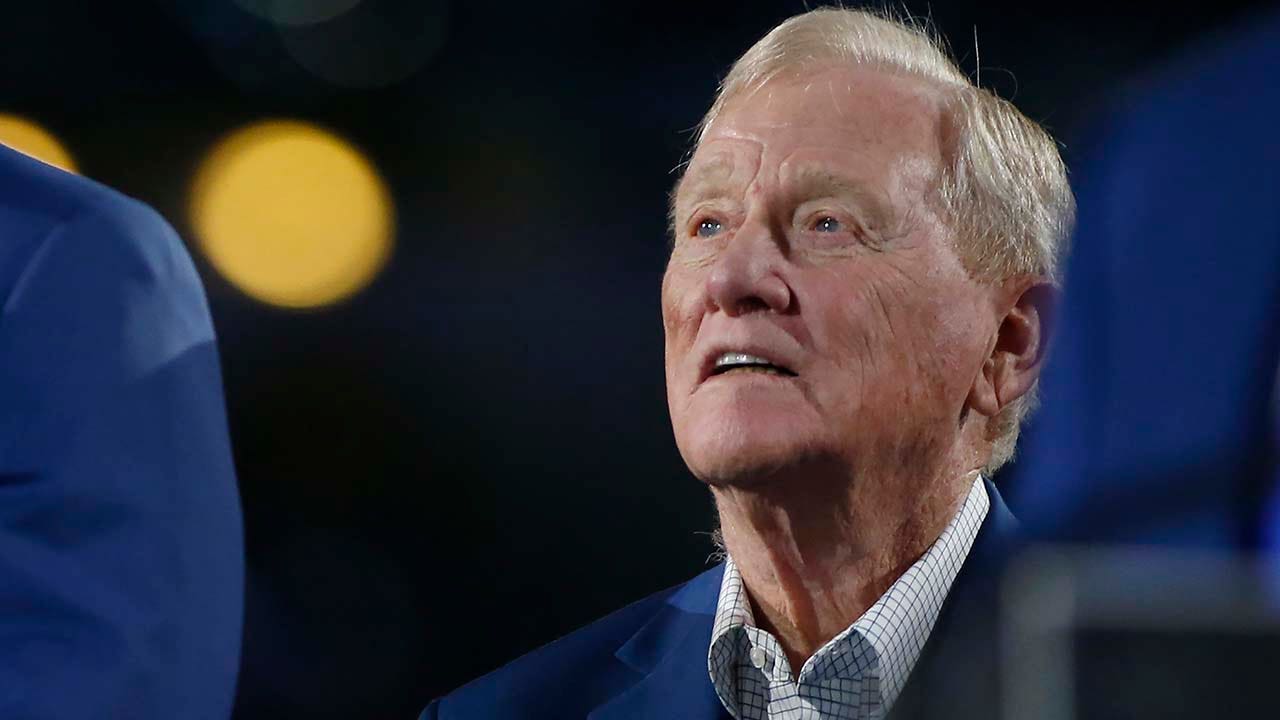


The president of a major Twin Cities police union sharply criticized Minnesota state and local leaders for blocking cooperation between local law enforcement and federal immigration authorities, arguing that the refusal to coordinate directly contributed to deadly outcomes during recent anti-ICE protests, as reported by The New York Post.
St. Paul Police Federation President Mark Ross said local officials’ resistance to coordination with U.S. Immigration and Customs Enforcement and Border Patrol agents left federal officers isolated during violent demonstrations, which he believes could have been prevented with basic cooperation.
Ross said that had local police been allowed to assist with crowd control and coordination, “there would be no loss of life.”
Minnesota cop union boss blasts local officials over notcooperating with ICE
St. Paul Police Federation President Mark Ross argues if local cops had been allowed to work with ICE, the recent deaths of protesters could’ve been avoided.
He calls out the disconnect between… pic.twitter.com/qib3GktMrl
— Mario Nawfal (@MarioNawfal) January 28, 2026
Warning: Account balances and purchasing power no longer tell the same story. Know in 2 minutes if your retirement is working for you.
Ross’s remarks came as Minnesota Gov. Tim Walz agreed to allow his top law enforcement official to work with President Trump’s Border Czar, Tom Homan, following Homan’s arrival in Minneapolis on Monday.
The move followed criticism after Homeland Security Secretary Kristi Noem was sidelined during the response to unrest tied to immigration enforcement operations.
This Could Be the Most Important Video Gun Owners Watch All Year
Ross blamed state and city leadership for the violence that erupted during protests targeting federal agents, including incidents that resulted in the deaths of Renee Good and Alex Pretti.
He said Minnesota law enforcement agencies have undergone extensive training in crowd control and mobile field force operations, particularly since St. Paul hosted the 2008 Republican National Convention.
“Since the Republican National Convention was held in St. Paul back in 2008, Minnesota law enforcement has undergone extensive training in mobile field force configurations and crowd management for major events. And because of that, I think we’re in the best position to deal with that,” Ross said.
“Unfortunately, our local politicians would not allow us to do that.”
Ross emphasized that cooperation would not have required changing Minnesota’s sanctuary policies or assisting with immigration arrests.
Instead, he said coordination could have focused solely on public safety during planned federal operations.
“Had we been allowed just a little bit of coordination – not in terms of what ICE is doing, but if they say, ‘Hey, we need to go to this place to serve a warrant, we’re going to be out there a couple hours. We’re nervous that crowds are going to form and give us trouble. Can you come out and help?’ That’s something we can easily coordinate,” Ross said.
“I believe, had we been able to do that, that there would be no loss of life at this point.”
Good, a mother of three and anti-ICE activist, was fatally shot after driving her vehicle toward an ICE agent. Pretti, an armed ICU nurse, was killed during a confrontation with Border Patrol agents attempting to disperse a protest crowd.
Federal authorities are investigating whether Pretti’s firearm discharged accidentally after an agent grabbed it, prompting other agents to believe they were under fire.
Ross said Border Patrol agents are not typically trained for large-scale crowd management in urban protest environments, placing them at a disadvantage during volatile demonstrations.
He said local police officers were left “stuck in the middle” of conflicting political directives, federal enforcement actions, and escalating protests.
“Part of it is leadership, because the leadership in our cities doesn’t want us communicating with the federal folks,” Ross said. “That disconnect has created some problems for everybody, and public safety is everybody’s responsibility.”
Gov. Walz’s office confirmed he met with Homan and described their discussions as part of an “ongoing dialogue.”
Walz’s stated priorities included investigations into the shootings involving federal agents, a reduction in federal forces in Minnesota, and an end to what his office called retaliation against the state.
Minneapolis Mayor Jacob Frey also met with Homan alongside Police Chief Brian O’Hara. Frey reiterated that Minneapolis would not enforce federal immigration laws and called for the rapid conclusion of Operation Metro Surge.
President Trump said Tuesday that Homan’s efforts in Minnesota were “going very well” and defended Secretary Noem, saying, “I think she’s doing a very good job.”
The opinions expressed by contributors and/or content partners are their own and do not necessarily reflect the views of LifeZette. Contact us for guidelines on submitting your own commentary.
Read the full article here