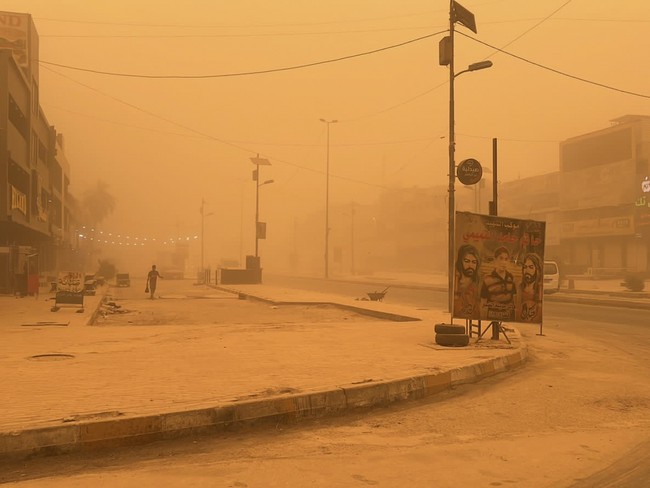
The Trump administration is expanding its militarized border strategy with a new security zone along California’s southern edge aimed at strengthening border enforcement.
The Interior Department announced it would transfer jurisdiction along much of California’s international border with Mexico to the Navy, reinforcing what it calls the “historic role public lands have played in safeguarding national sovereignty.”
This move fits a larger, relentless push to secure every inch of the border, because protecting Americans from illegal entry remains a top national priority.
The newly designated militarized zone stretches nearly from the Arizona line to the Otay Mountain Wilderness, passing through the Imperial Valley and border communities such as Tecate.
This broad corridor reflects a strategic choice to close long standing gaps in the frontier’s defense, therefore reducing opportunities for unlawful crossings.
Since April, large swaths of border have been designated militarized zones, empowering U.S. troops to apprehend immigrants and others accused of trespassing on Army, Air Force or Navy bases, and authorizing additional criminal charges that can mean prison time.
More than 7,000 troops have been deployed to the border, along with helicopters, drones and surveillance equipment.
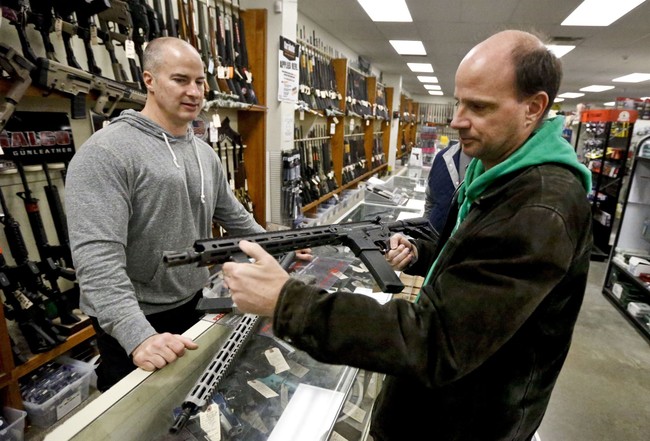
This Could Be the Most Important Video Gun Owners Watch All Year
The scale of this operation underscores the seriousness with which the administration views the immigration challenge.
The military strategy was pioneered in April along a 170 mile stretch of the border in New Mexico and later expanded to portions of the border in Texas and Arizona. The California expansion confirms that the administration intends to maintain a persistent, assertive presence across multiple frontiers, because deterrence is the currency of this approach.
The Interior Department described the newest national defense area in California as a high traffic zone for unlawful crossings by immigrants.
But Border Patrol arrests along the southern U.S. border this year have dropped to the slowest pace since the 1960s, amid President Donald Trump’s push for mass deportations. That shift in arrests has supporters arguing that fewer crossings mean a safer country, while critics warn of shifting legal responsibilities and civil liberties concerns.
“By working with the Navy to close long-standing security gaps, we are strengthening national defense, protecting our public lands from unlawful use, and advancing the President’s agenda,” Interior Secretary Doug Burgum said in a news release.
The quotation anchors the administration’s rationale, linking the protection of public lands to broader national security aims. The declaration is presented as a comprehensive response to what officials describe as persistent vulnerability along the border, and it signals a commitment to a deeper, more muscular federal posture.
An emergency declaration by Trump has thrust the military into a central role in deterring migrant crossings between U.S. ports of entry.
Legal experts say the strategy flouts a ban on law enforcement by the military on U.S. soil and thrusts the armed forces into a potentially politicized mission.
Yet proponents insist the move is necessary to preserve sovereignty and to relieve local law enforcement, because resources in border communities are strained under what they describe as an ongoing crisis.
The new zone comes as Trump called up more than 4,000 California National Guard troops in June without Gov. Gavin Newsom’s approval to further the Trump administration’s immigration enforcement efforts.
Supporters, including his Secretary of War designate Pete Hegseth, argue that a strong border posture protects American communities and national sovereignty.
They contend the objective is to deter illegal crossings, thereby safeguarding jobs and public safety while preserving the integrity of immigration processes.
At the same time, critics warn about constitutional and legal concerns, but supporters insist that the border policy must be decisive and unwavering.
The administration believes that a firm, visible presence along the border sends a clear message that illegal entry will not be tolerated, and that American citizens deserve secure borders.
This latest extension aligns with a broader strategic frame that treats border management as a national defense issue rather than a traditional policing challenge.
The effort seeks to harmonize federal authority, military readiness, and border security in a way that, proponents argue, will yield tangible results for communities on the front lines.
As the policy unfolds, its success will depend on steady implementation, operational coordination, and ongoing legal scrutiny.
For now, the administration remains committed to a posture of deterrence and protection, trusting that stronger guardrails and a more assertive presence will deliver lasting sovereignty and safety for the United States.
The opinions expressed by contributors and/or content partners are their own and do not necessarily reflect the views of LifeZette. Contact us for guidelines on submitting your own commentary.
Read the full article here



![Paul McCartney Draws Hollywood Elite, Bans Phones at Exclusive Los Angeles Show [WATCH]](https://www.boredtrashpanda.com/wp-content/uploads/2026/03/2026.03.31-11.30-boredtrashpanda-69cbb0452e515.jpg "Paul McCartney Draws Hollywood Elite, Bans Phones at Exclusive Los Angeles Show [WATCH]")