![Vance Warns Iran Will ‘Find Out’ Trump Is ‘Not One to Mess Around’ if Truce Collapses [WATCH]](https://www.rvmnews.com/wp-content/uploads/2026/01/2026.01.14-09.35-rvmnews-69680c17efd25.jpg "Vance Warns Iran Will ‘Find Out’ Trump Is ‘Not One to Mess Around’ if Truce Collapses [WATCH]")

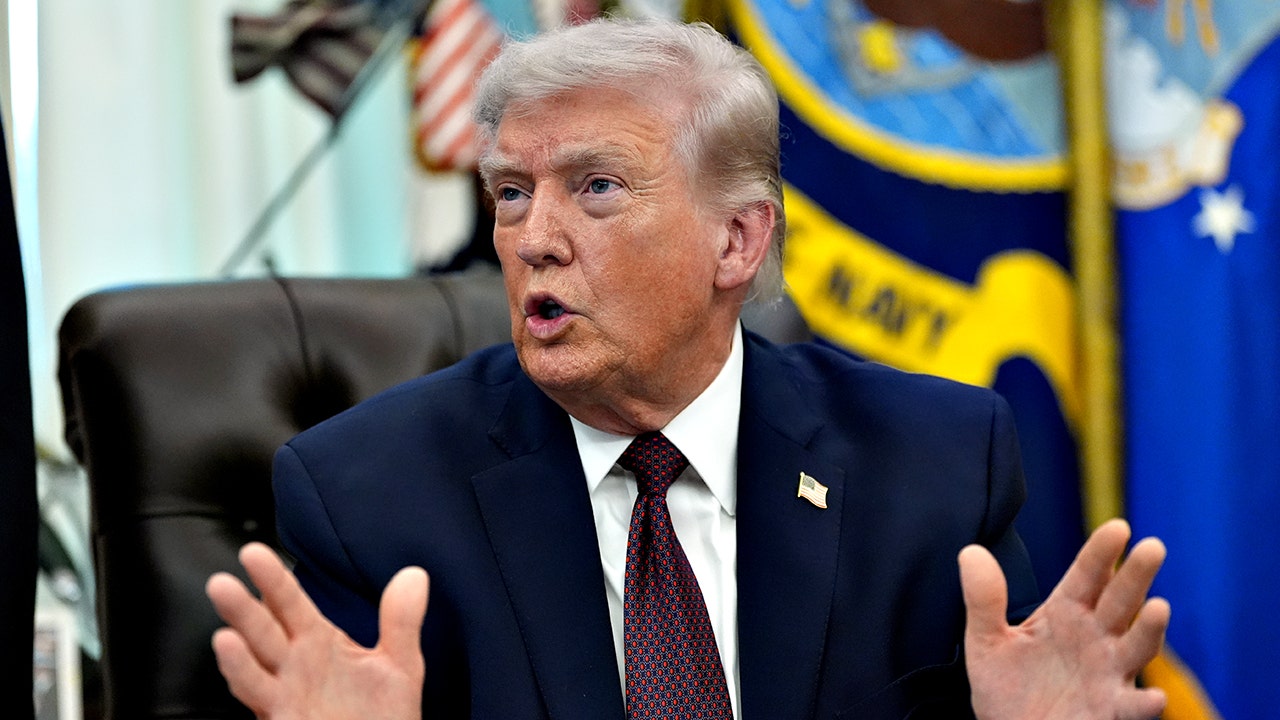
Vice President J.D. Vance said Wednesday that the current ceasefire between the United States and Iran remains “fragile,” warning that Iran will face consequences if it fails to follow through on the agreement negotiated by Donald Trump, as reported by Fox News.
Speaking during a conference in Hungary, Vance addressed the two-week ceasefire that was announced Tuesday night, just before an 8 p.m.
Eastern deadline set by President Trump for potential military action targeting Iranian energy infrastructure. The agreement is contingent on Iran reopening the Strait of Hormuz and participating in broader negotiations.
Image Credit: White House
Here’s What They’re Not Telling You About Your Retirement
“This is why I say this is a fragile truce,” Vance said.
“You have people who clearly want to come to the negotiating table and work with us to find a good deal, and then you have people who are lying about even the fragile truce that we’ve already struck.”
The vice president indicated that the success of the ceasefire will depend on whether the Iranian leadership negotiates in good faith.
“If the Iranians are willing in good faith to work with us, I think we can make an agreement,” Vance said.
“If they’re going to lie, if they’re going to cheat, if they’re going to try to prevent even the fragile truce that we’ve set up from taking place, that they’re not going to be happy.”
Vance also referenced the tools available to the United States as negotiations move forward.
This Could Be the Most Important Video Gun Owners Watch All Year
“What the president has also shown is that we still have clear military, diplomatic, and, maybe most importantly, we have extraordinary economic leverage,” he said.
“So the President has told us not to use those tools. He’s told us to come to the negotiating table. But if the Iranians don’t do the exact same thing, they’re going to find out that the president of the United States is not one to mess around. He’s impatient. He’s impatient to make progress.”
President Trump’s ceasefire announcement included a condition requiring Iran to agree to “the COMPLETE, IMMEDIATE, and SAFE OPENING of the Strait of Hormuz,” a key shipping route for global energy markets.
The administration has also received a 10-point proposal from Iran, which officials said could serve as a basis for a broader agreement.
Iran’s Supreme National Security Council responded with a statement acknowledging mediation efforts by Pakistan and agreeing to halt defensive operations if attacks against Iran cease.
Iranian officials said that for a two-week period, safe passage through the Strait of Hormuz would be permitted through coordination with Iran’s armed forces, while noting that certain technical limitations may apply.
Shehbaz Sharif also issued a statement regarding the ceasefire, saying it would apply “everywhere,” including Lebanon, and would take effect immediately.
“I warmly welcome the sagacious gesture and extend deepest gratitude to the leadership of both the countries and invite their delegations to Islamabad on Friday, 10th April 2026, to further negotiate for a conclusive agreement to settle all disputes,” Sharif said.
“Both parties have displayed remarkable wisdom and understanding and have remained constructively engaged in furthering the cause of peace and stability. We earnestly hope that the ‘Islamabad Talks’ succeed in achieving sustainable peace and wish to share more good news in coming days!”
Further negotiations between the United States and Iran are scheduled to begin Friday in Islamabad, where officials will attempt to build on the initial ceasefire agreement and work toward a longer-term resolution.
The administration has indicated that U.S. forces will remain in the region during the ceasefire period as a precaution while talks continue.
Warning: Account balances and purchasing power no longer tell the same story. Know in 2 minutes if your retirement is working for you.
The opinions expressed by contributors and/or content partners are their own and do not necessarily reflect the views of LifeZette. Contact us for guidelines on submitting your own commentary.
Read the full article here


![High-Speed Pursuit Ends in Fatal Shooting on Los Angeles Freeway [WATCH]](https://www.lifezette.com/wp-content/uploads/2025/08/2025.08.05-11.04-lifezette-6891e53751935.jpg "High-Speed Pursuit Ends in Fatal Shooting on Los Angeles Freeway [WATCH]")

![Anna Wintour, Meryl Streep Take Shots At Melania Trump’s Style [WATCH]](https://www.boredtrashpanda.com/wp-content/uploads/2025/08/2025.08.21-11.05-boredtrashpanda-68a6fd80b9aae.jpg "Anna Wintour, Meryl Streep Take Shots At Melania Trump’s Style [WATCH]")