

![Trump Sends a Bold Warning to Havana as CIA Touches Down in Cuba [WATCH]](https://www.lifezette.com/wp-content/uploads/2026/05/2026.05.15-19.43-lifezette-6a0777515e0a4.jpg "Trump Sends a Bold Warning to Havana as CIA Touches Down in Cuba [WATCH]")

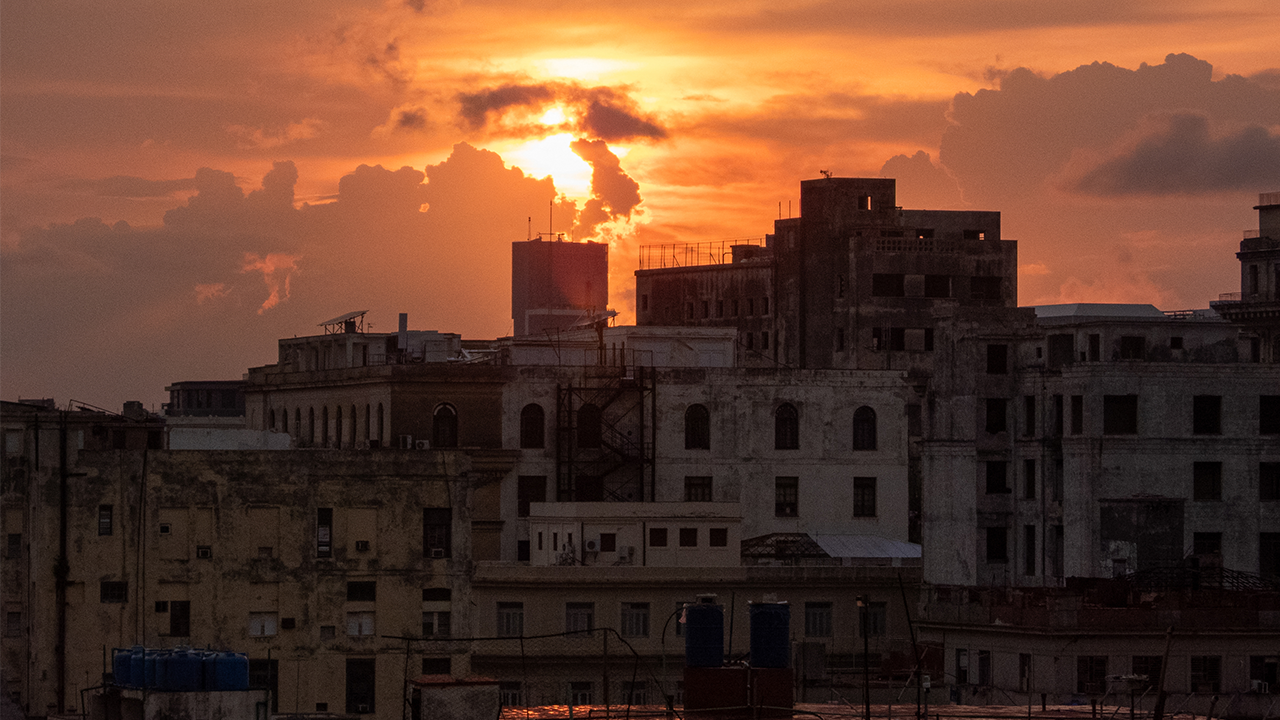
In a striking display of foreign policy muscle, CIA Director John Ratcliffe touched down in Havana this week carrying a message straight from President Trump.
The directive was clear. The days of Cuba acting as a cozy refuge for American adversaries are over.
Ratcliffe’s unannounced visit marked the latest high-stakes maneuver in what Washington insiders have started calling the Donroe Doctrine, a Trumpian revival of the Monroe Doctrine that places America’s dominance in the Western Hemisphere squarely back on the table.
This is the type of leadership global opponents hoped they would never see again after years of Obama’s open-handed diplomacy.
Here’s What They’re Not Telling You About Your Retirement
The visit represented more than a diplomatic courtesy call. It was a strategic warning.
The Trump administration is drawing clear boundaries, telling Havana that the United States will not tolerate communist meddling or foreign adversaries using the island as a base of operations.
Trump’s directive through Ratcliffe signals a pivot from the soft approach of prior administrations to a style rooted in peace through strength.
The CIA chief met face to face with Cuba’s interior minister, the head of intelligence, and even the grandson of Raúl Castro.
This Could Be the Most Important Video Gun Owners Watch All Year
WATCH;
According to reports, Ratcliffe offered discussions on trade and security only if Cuba agreed to end its support for anti-American networks and hostile regimes.
This was not negotiation from a position of weakness but assertion from a position of power.
For decades, Cuba has acted as an irritant, hosting espionage operations and giving safe harbor to terrorists and drug traffickers while blaming the United States for its economic failures.
Trump’s message shattered that routine. The administration made it clear that the country’s communist dictatorship could either embrace reform or face further isolation.
Insiders say the Cuban regime was furious over the blunt nature of the message.
State media quickly denied that Washington had offered any assistance, but Secretary of State Marco Rubio revealed that a $100 million aid proposal was made both privately and publicly.
The offer came with strings attached. Havana would have to open the door to true change, not phony gestures for show.
Cuba’s crumbling state economy, riddled with corruption and mismanagement, continues to spiral. Severe energy shortages have led to blackouts across the island.
Sanctions have blocked oil shipments from Russia and China, forcing the regime to ration fuel and power.
Without a dramatic shift in policy, Cuba faces worsening unrest among its impoverished citizens, yet the government clings to failed ideology instead of realistic reform.
WATCH:
The Trump White House views Cuba as the next important frontier after its tightening grip on Venezuela.
With Nicolás Maduro cornered politically and financially, attention now turns to Havana, where American influence has long been stifled by authoritarian stubbornness.
U.S. officials believe the same hardline pressure that weakened the Venezuelan regime could force movement within Cuba.
What makes this moment remarkable is Trump’s willingness to use intelligence diplomacy as a frontline tool of U.S. policy.
Unlike bureaucrats who hide behind briefings and goodwill gestures, this administration sends emissaries with clear marching orders. Ratcliffe’s mission was not about public relations.
It was about delivering a message: America sets the rules in its own hemisphere.
Predictably, left leaning pundits have rushed to call the visit reckless and provocative.
They have spent years defending the old argument that “engagement” would somehow melt communism in Cuba.
That experiment failed spectacularly, leaving only a stronger regime and a population still suffering in poverty.
Trump’s message cuts through that illusion.
The new reality is that Havana’s days of unchecked hostility and protection for anti-American forces are numbered.
The meeting also reflects growing cooperation between the administration’s intelligence and diplomatic branches, showing that Washington is not acting impulsively but with coordinated intent.
The White House views the western hemisphere as vital to national security, especially as China and Russia amplify influence in the region.
Allowing Cuba to persist as a staging ground for these regimes is no longer acceptable.
By confronting Cuba directly, President Trump restores an important tenet of U.S. policy.
America is not a spectator in its own backyard. If countries in the hemisphere want to benefit from trade or dialogue with Washington, they must respect our sovereignty and abandon ties with hostile powers.
The days of appeasement and photo ops are gone.
The Donroe Doctrine represents something the left cannot grasp.
It is a framework that demands respect, not compliance through weakness.
When America speaks firmly, the world listens. When our adversaries see a commander in chief willing to draw a clear line, instability loses ground.
For everyday Americans, this is another sign that strength has returned to foreign policy.
A leader who refuses to bow to communist pressure is reminding the world that the United States remains the ultimate force for order and liberty in the western world.
That message, carried by a CIA director landing in Havana, was not just for the Cuban regime.
It was for every nation watching to see if American resolve still matters.
Warning: Account balances and purchasing power no longer tell the same story. Know in 2 minutes if your retirement is working for you.
Read the full article here

![Raging Airline Passenger Loses It Over Passport Gate, Gets Arrested and Banned for Life [WATCH]](https://www.lifezette.com/wp-content/uploads/2026/05/2026.05.15-19.40-lifezette-6a0776afc15a8.jpg "Raging Airline Passenger Loses It Over Passport Gate, Gets Arrested and Banned for Life [WATCH]")