

NEWYou can now listen to Fox News articles!
The return of the New World screwworm — a flesh-eating parasite eradicated from the U.S. in the 1960s — has raised fresh concerns about whether it could threaten the nation’s food supply.
Unlike other foodborne diseases like norovirus, Ecoli and Salmonella, which sicken millions of Americans every year, experts say the screwworm is not a threat to the food on our dinner tables.
“The US food supply is not compromised by New World screwworm, which is an animal issue, but not a foodborne pathogen issue,” Dr. Aaron Glatt, chief of infectious diseases at Mount Sinai South Nassau Hospital, told Fox News Digital.
MYSTERY PARASITE LEAVES AMERICANS BATTLING ‘EXPLOSIVE’ ILLNESS AS CDC INVESTIGATES
“While screwworm infestation is an infection of live animals, it does not result in meat, milk or produce becoming contaminated.”
Screwworms die off during standard meat, processing and cooking, according to Glatt.
While native to South America and the Caribbean, the screwworm migrated north through Central America and Mexico following a 2023 outbreak in Panama and Costa Rica, the CDC says.
FLESH-EATING SCREWWORM FOUND IN TEXAS CALF AS RANCHERS BRACE FOR POSSIBLE SPREAD
On June 3, health officials confirmed one case in a three-week-old calf in Zavala County, Texas – the first detection in the U.S. since it was eradicated in the 1960s (excluding a localized outbreak in deer in the Florida Keys from 2016 to 2017), per the U.S. Department of Agriculture (USDA).
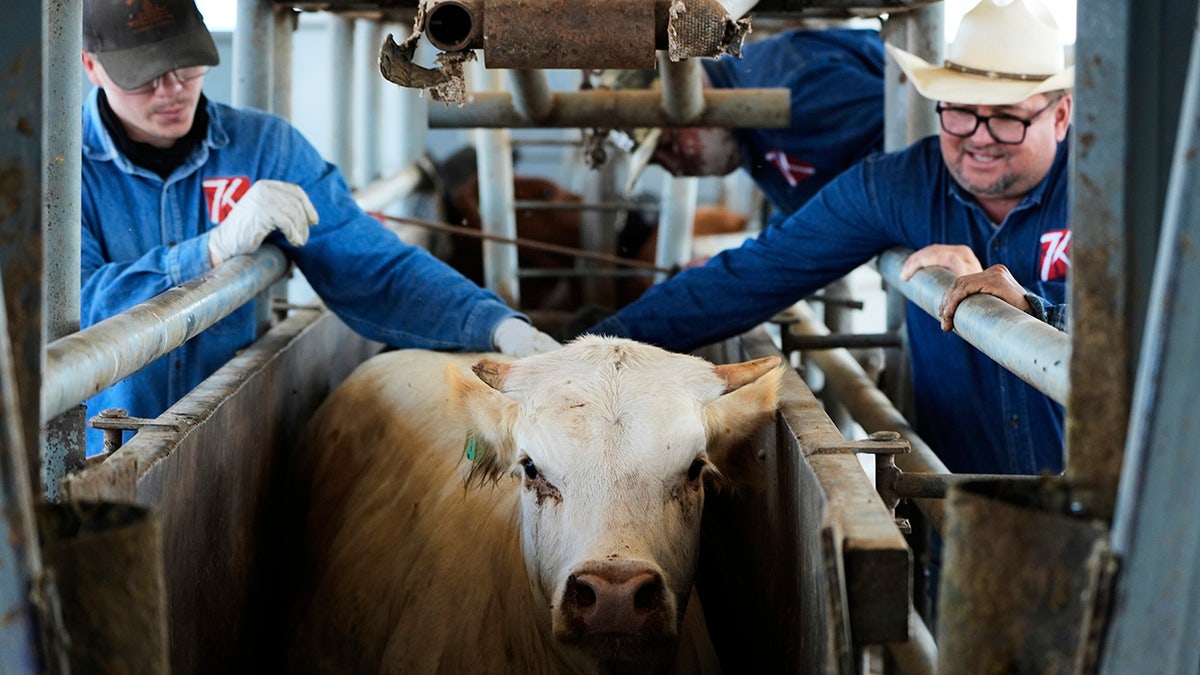
Since early June, the USDA has reported 33 screwworm infections in animals in Texas and New Mexico – including cattle, goats and a pet dog.
Safety measures
The U.S. milk and food supply is routinely tested by regulatory agencies, according to Glatt.
“Animals used for human food production must pass inspection before and after slaughter to ensure that food safety and humane handling requirements are met,” a USDA spokesperson told Fox News Digital.
“An infestation or animal illness that makes meat unsafe for consumers will prevent the animal from entering the food supply.”

If an animal at a slaughterhouse shows signs of illness, the meat inspection system overseen by the USDA isolates it from others and labels it a “US Suspect” – meaning it needs additional examination by a public health veterinarian, per USDA Food Safety and Inspection Service regulations.
If an infection is discovered prior to the animal reaching the slaughterhouse, a veterinarian will treat the animal and disinfect the wound to prevent worsening infection.
Any livestock infected with new world screwworm are to be quarantined until all wounds heal, according to the UDSA.
Methods of transmission
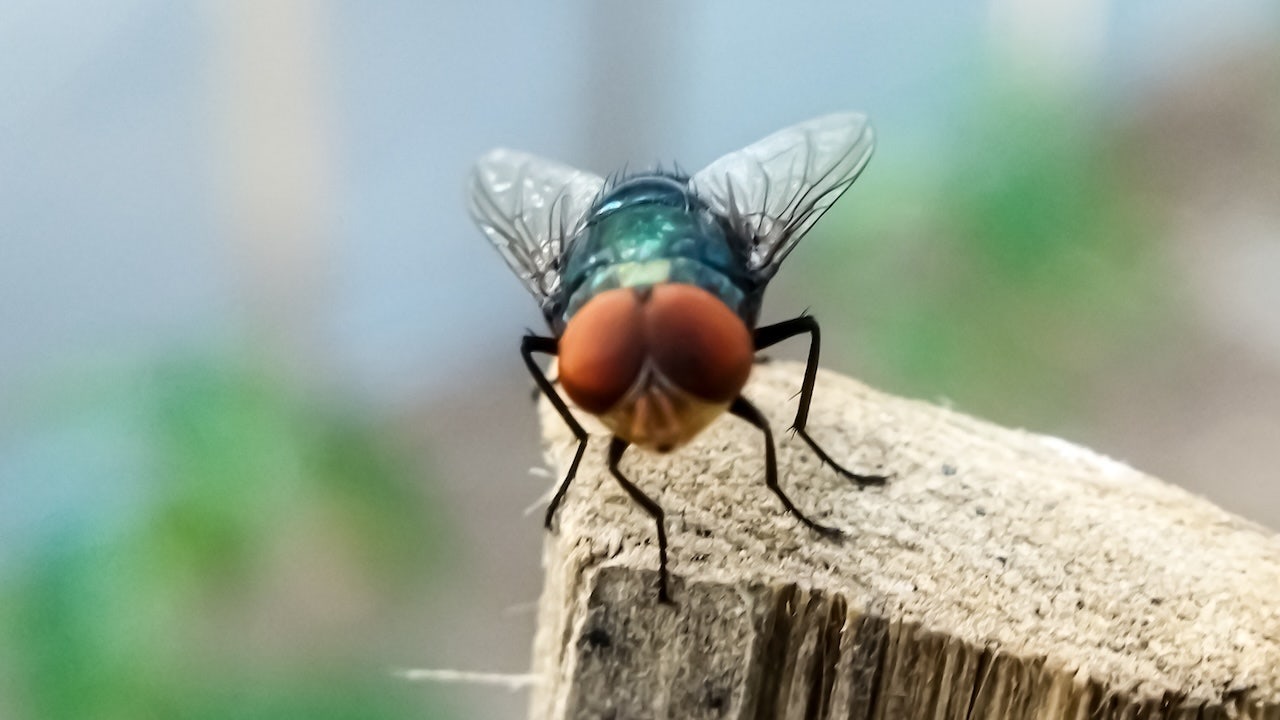
A screwworm is a fly – typically the size of a common housefly or slightly larger. It infects warm-blooded animals – usually livestock, wildlife and pets – and only rarely may infect people, the CDC states.
An infection starts when a female fly lays eggs after being attracted to the smell of a wound, but the opening can be as small as the size of a tick bite. One female may lay up to 3,000 eggs during her lifespan (about 10 to 30 days), per the CDC.
The eggs hatch into maggots that “screw” into the wound to feed. After about a week, the maggots fall to the ground, burrow in the soil and morph into adult screwworm flies.

“It spreads only when an NWS fly lays eggs in a wound, not through meat, poultry or dairy products,” the USDA spokesperson said.
“It’s also important to note that people do not catch screwworm from other people, and they do not become infected by eating meat,” Dr. Bobbi Pritt, professor and chair of laboratory medicine and pathology at Mayo Clinic in Rochester, Minnesota, told Fox News Digital.
TEST YOURSELF WITH OUR LATEST LIFESTYLE QUIZ
“Most people living in the U.S. are very unlikely to ever encounter this parasite.”
The fly thrives in tropical and subtropical climates, while colder temperatures help limit its survival. Some researchers warn that climate warming could expand the areas where the insect can survive if it becomes established, although experts say the current outbreak has been driven primarily by its northward spread through Central America and Mexico.
Combating the spread
The USDA is combating current U.S. outbreaks by deploying sterile male flies to mate with female flies using a method known as the Sterile Insect Technique, which helped eradicate the infestation in the 1960s, per the USDA.
CLICK HERE TO SIGN UP FOR OUR HEALTH NEWSLETTER
Since female screwworm flies mate only once during their roughly month-long lifespan, those that breed with sterile males produce no viable offspring, causing the population to gradually die out.
In May 2025, the USDA announced a $21 million investment to renovate a sterile screwworm fly production facility in southern Mexico, with production expected to begin as early as summer 2026.
The agency also plans to spend $750 million on a new “fly factory” at Moore Air Base in Edinburg, Texas, which is expected to open by November 2027.
Symptoms, treatment and prevention
“In the rare cases of human infection, the symptoms that should prompt someone to seek medical attention include a non-healing wound with pain, redness and swelling that is getting worse, a sensation of movement or crawling in the wound, and visible fly larvae in the wound,” Pritt told Fox News Digital.
CLICK HERE FOR MORE HEALTH STORIES
Maggots should not be removed without medical assistance, as attempting to do so can leave parts of the larvae behind and worsen the infection, per the CDC.

If any maggots fall to the ground, they should not be discarded in the trash, as this could spread the infestation. Instead, they should be placed in a leakproof container filled with alcohol to kill them, and a doctor should be contacted to safely remove the remaining maggots.
CLICK HERE TO DOWNLOAD THE FOX NEWS APP
To protect against infection, the CDC recommends the following steps.
- Keep any open wounds covered
- Limit exposure to skin by wearing long-sleeved shirts and pants, hats and socks
- Use EPA-registered insect repellent
- Protect clothing and gear with products containing 0.5% permethrin
- Avoid sleeping outdoors or sleep in tents with screens
- Sleep indoors with closed or screened windows
Read the full article here

![Hegseth Goes to War Against Deep State Leakers With New Task Force [WATCH]](https://www.rvmnews.com/wp-content/uploads/2026/07/2026.07.14-07.30-rvmnews-6a55e5aa299fd.jpg "Hegseth Goes to War Against Deep State Leakers With New Task Force [WATCH]")