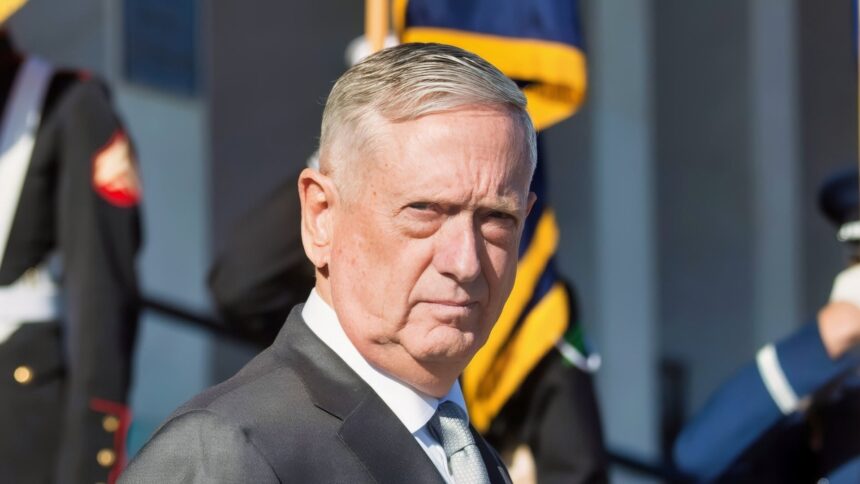

“The most important six inches on the battlefield is between your ears”- Gen. James Mattis. Gen. James Mattis, the longtime Marine Corps general-turned-Secretary of Defense, was better known than any other modern military leader for coming up with memorable quotes, and one of the most cited ones was “The most important six inches on the battlefield is between your ears.”
It’s not clear when Mattis first said this, but it’s often included in compilations of his quotations and cited in profiles at key points, including when he was nominated to lead the Pentagon. Most accounts we were able to find trace it back 23 years ago.
And while he may have been known as the “Mad Dog,” Mattis strongly believed in an intellectual approach to warfare and in being learned.
Other American military leaders have quoted the maxim as well, including Maj. Gen. Robert Ashley, then the USAICoE commanding general, who in 2015 cited Mattis to tout the importance of analysis in military intelligence.
What Did Mattis Mean?
Mattis was often described as a “warrior monk” throughout his career, in part because he did not marry until long after his retirement from the Marines and government service.
Mattis was raised in a “bookish” household, and the BBC reported in 2016 that the general’s personal library contained more than 7,000 books.
Indeed, Mattis was known to assign elaborate reading lists to his men.
“The Global War on Terrorism is a long war, and as such we need to continue our preparation to be engaged in all aspects of this war, Mattis wrote in the introduction to one such list, which was published in June of 2007, during the Iraq War.
James Mattis US Marines Photo
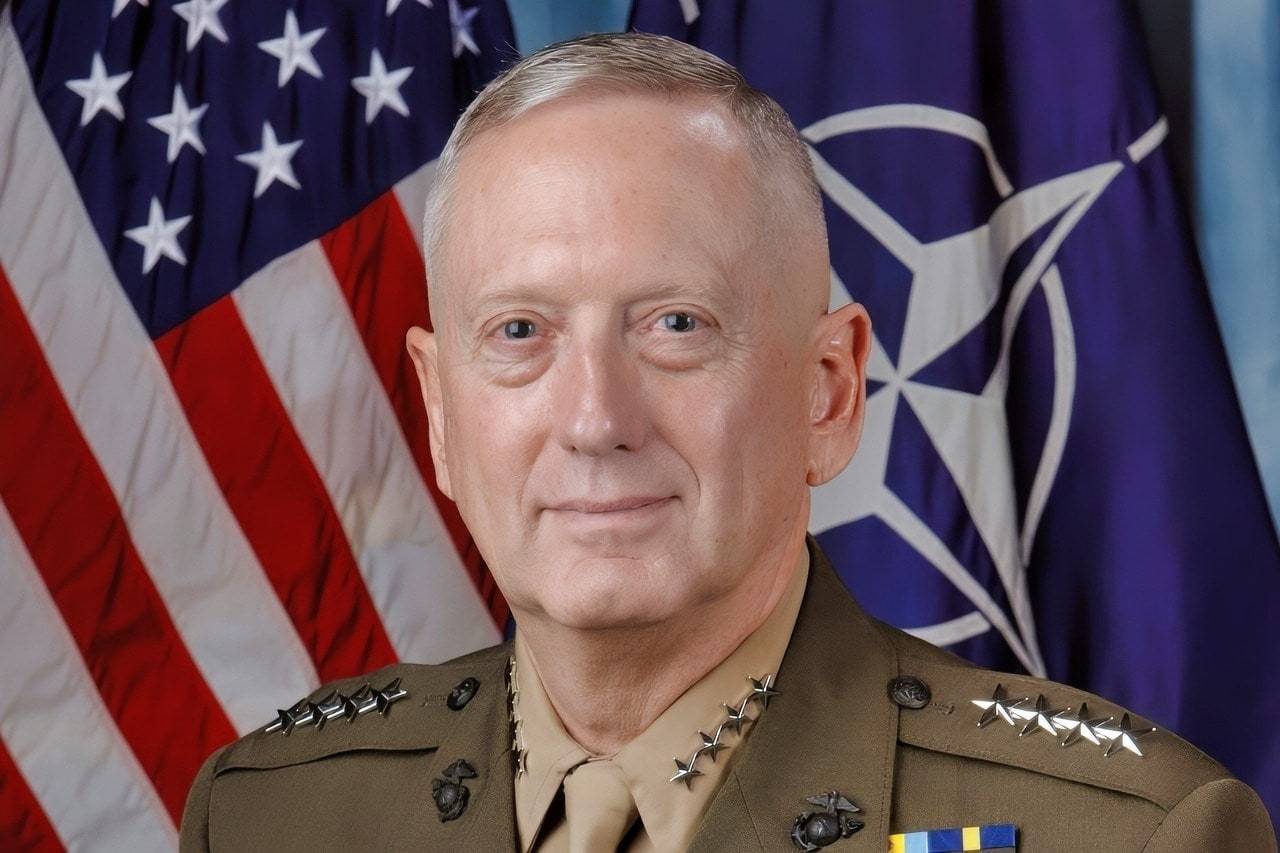
Jim Mattis. Image Credit: Creative Commons.
That list included the Marine Corps’ own “The Small-Unit Leaders’ Guide to Counterinsurgency,” Steven Pressfield’s “Gates of Fire: An Epic Novel of the Battle of Thermopylae,” David J. Danelo’s “Blood Stripes: The Grunt’s View of the War in Iraq,” and Bing West’s “The Village.” West would later co-author Mattis’ memoir, “Call Sign Chaos: Learning to Lead.”
“For our current fights, the MARCENT Reading List provides a collection of readings to be read depending upon your grade and how long you have before deploying.
Whether part of a unit or an individual augment, my intent is to prepare you for the operational, tactical, cultural, and environmental factors affecting your specific fight.”
Mattis in Iraq
That famed New Yorker profile by Dexter Filkins, published in May 2017 during Mattis’ first year leading the Pentagon, included stories about how he handled command in Iraq, where this call sign was “Chaos.”
The profile argued that while Trump had nominated Mattis as Secretary of Defense, he emphasized the general’s “Mad Dog” persona but paid less attention to the side known as a “deeply read scholar-soldier and sophisticated analyst.” Filkins also reported that Mattis himself dislikes the “Mad Dog” nickname, and none of his friends use it.
Early in his time in Iraq, Filkins reported, Mattis met with Iraqi leaders and stated, “I come in peace. I didn’t bring artillery. But I’m pleading with you, with tears in my eyes: if you [expletive] with me, I will kill you all.”
Another quote of Mattis’ that would become famous appeared on a poster in Fallujah, where the reporter saw it: “Be polite, be professional, but always have a plan to kill everyone you meet.”
“There Was Blood All Over His Uniform”
“Unlike other modern generals, Mattis fights,” Filkins wrote. That profile included a wild story from Mattis’ time in Iraq: In the spring of 2004, Mattis was part of an armored vehicle in a convoy that was ambushed on the way to a meeting.
Mattis and his security detail then engaged in a firefight with insurgents, and after it was over, they proceeded to the meeting as scheduled.
“He walked into the room, and there was blood all over his uniform,” General James Conway, then the top Marine commander in Iraq, told the magazine.
The reporter also remembered how Mattis was viewed during his time in Iraq.
“The first time I saw Mattis, in March, 2003, he was a two-star general commanding the 1st Marine Division, as it pushed toward Baghdad on a highway that ran near the Euphrates River,” Filkins wrote. “I was covering the Iraq War for the Times.
Mattis stepped out of a helicopter, wearing a helmet and sunglasses, and joined a group of officers waiting for him. Even then, other Marines viewed him with a sort of awe.”
About the Author: Stephen Silver
Stephen Silver is an award-winning journalist, essayist, and film critic, and contributor to the Philadelphia Inquirer, the Jewish Telegraphic Agency, Broad Street Review, and Splice Today. The co-founder of the Philadelphia Film Critics Circle, Stephen lives in suburban Philadelphia with his wife and two sons. For over a decade, Stephen has authored thousands of articles that focus on politics, national security, technology, and the economy. Follow him on X (formerly Twitter) at @StephenSilver, and subscribe to his Substack newsletter.

![Ohio Felon Punches Bailiff in Throat, Attacks Deputies in Wild Courthouse Escape Bid [WATCH]](https://www.lifezette.com/wp-content/uploads/2026/09/2026.09.17-13.25-lifezette-6aabea3824061.jpg "Ohio Felon Punches Bailiff in Throat, Attacks Deputies in Wild Courthouse Escape Bid [WATCH]")