


On Oct. 2, 1959, CBS introduced Americans to The Twilight Zone with a story about a man wandering through an abandoned town with no idea how he got there.
The answer brought the strange new television series directly into the military anxieties of its time. Mike Ferris was actually an Air Force astronaut candidate who had spent roughly 484 hours alone in an isolation chamber during a simulated mission to the moon. His empty town was a hallucination. Isolation had broken him.
The episode arrived less than six months after NASA introduced the Mercury Seven, America’s first astronauts, to the public. That collision between science fiction and contemporary fear would become familiar territory for The Twilight Zone.
Creator Rod Serling knew military life firsthand. He served as an Army paratrooper with the 511th Parachute Infantry Regiment during World War II, fought in the Philippines and returned home with a Bronze Star and Purple Heart. His family later described combat memories and nightmares that followed him long after the war ended.
As The Twilight Zone turns 67, these seven episodes show how Serling and his fellow writers found plenty of nightmare fuel in the world Americans already inhabited.
1. ‘Where Is Everybody?’:
The Space Race Begins in an Isolation Chamber
The show’s first episode premiered while human spaceflight was still largely theoretical for the United States. Ferris is being tested to determine whether a person can psychologically endure the isolation of a moon mission. His body can be monitored and supplied with food and oxygen. Human companionship proves harder to engineer.
That was a striking premise in October 1959. NASA had introduced its Mercury astronauts that April, but no American had yet traveled into space.
Before The Twilight Zone gave viewers aliens or interplanetary monsters, it looked at America’s race into space and found something frightening much closer to home: what prolonged isolation could do to the person strapped inside the spacecraft.
2. ‘Time Enough at Last’:
Nuclear War Leaves One Man With Everything He Wanted
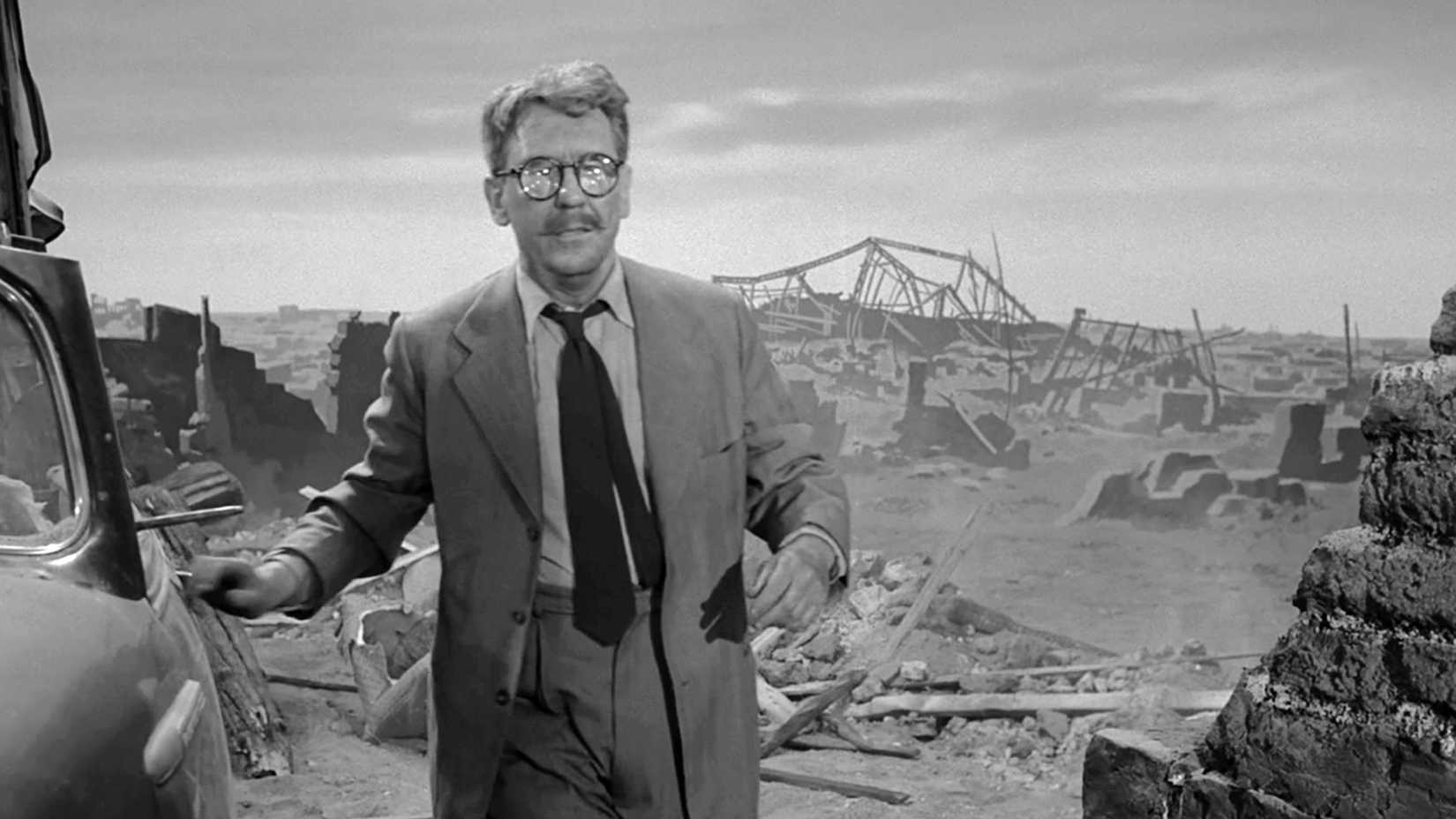
“Time Enough at Last” is usually remembered for Burgess Meredith, a mountain of books and one famously cruel pair of broken glasses. The circumstances that put Henry Bemis among those books are just as revealing.
A nuclear attack wipes out the world around him while Bemis survives inside a bank vault. The episode aired Nov. 20, 1959, less than two months after the series premiered.
By then, nuclear annihilation required little explanation for an American television audience. The Cold War had made the prospect familiar enough that The Twilight Zone could destroy civilization before getting to the episode’s real story.
3. ‘The Monsters Are Due on Maple Street’:
The Enemy Might Already Be Here
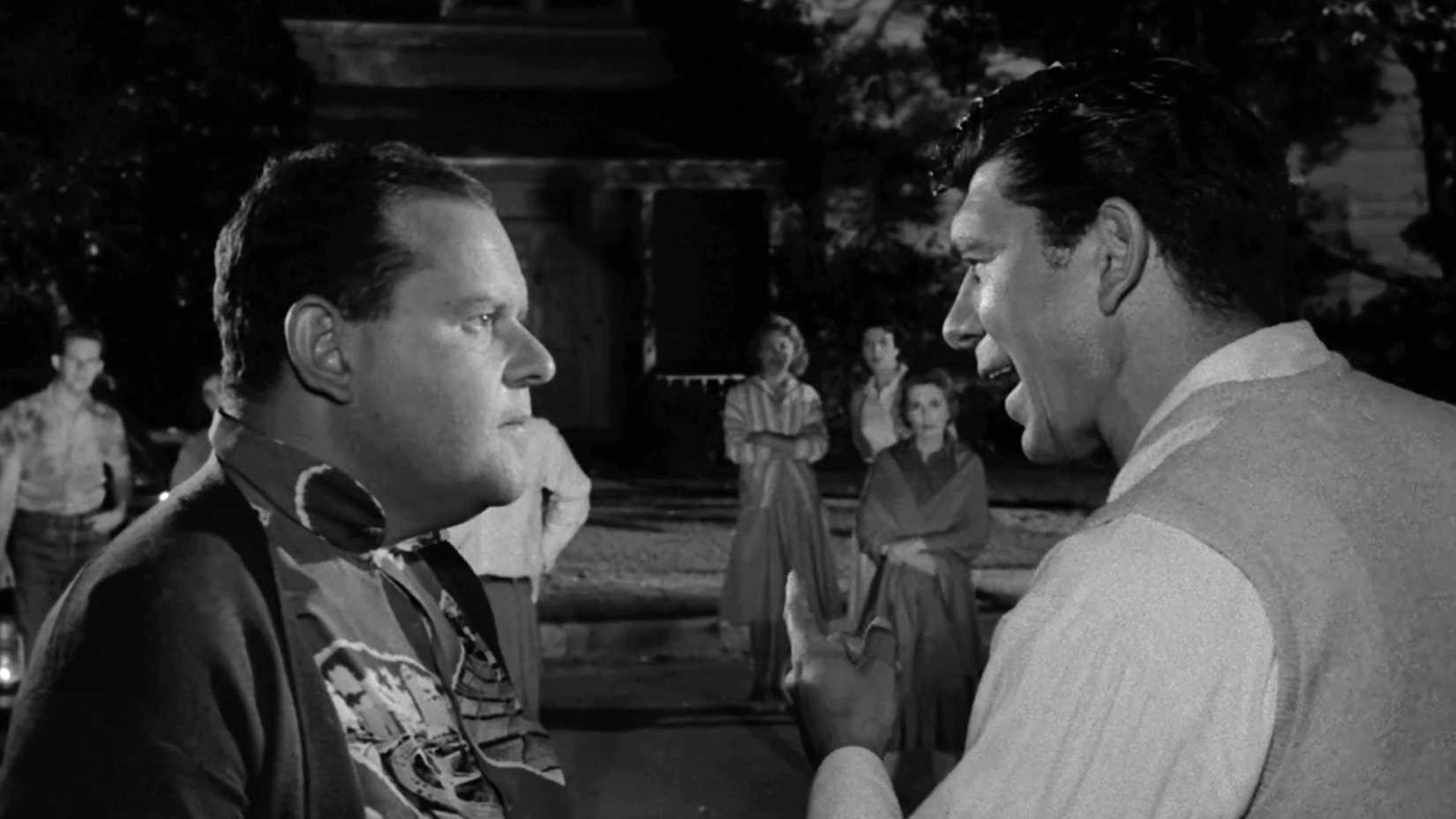
A strange flash crosses the sky. Power disappears. Cars stop working. Then somebody suggests that one of the residents of Maple Street may not be what they appear to be.
“The Monsters Are Due on Maple Street,” which aired March 4, 1960, turns a suburban neighborhood against itself as residents become convinced human-looking alien infiltrators are living among them.
The episode landed in an America already accustomed to fears of espionage, communist infiltration and enemies hiding inside otherwise ordinary institutions. Serling never needs an invading army. Suspicion does most of the work.
By the time the actual outsiders reveal themselves, Maple Street has demonstrated how little force is required to turn frightened people against their neighbors.
4. ‘King Nine Will Not Return’:
A Real Missing WWII Bomber Became a Ghost Story
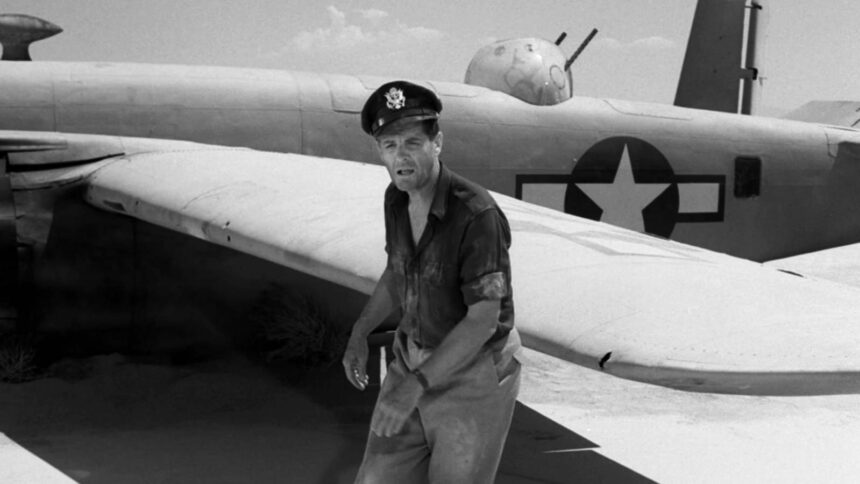
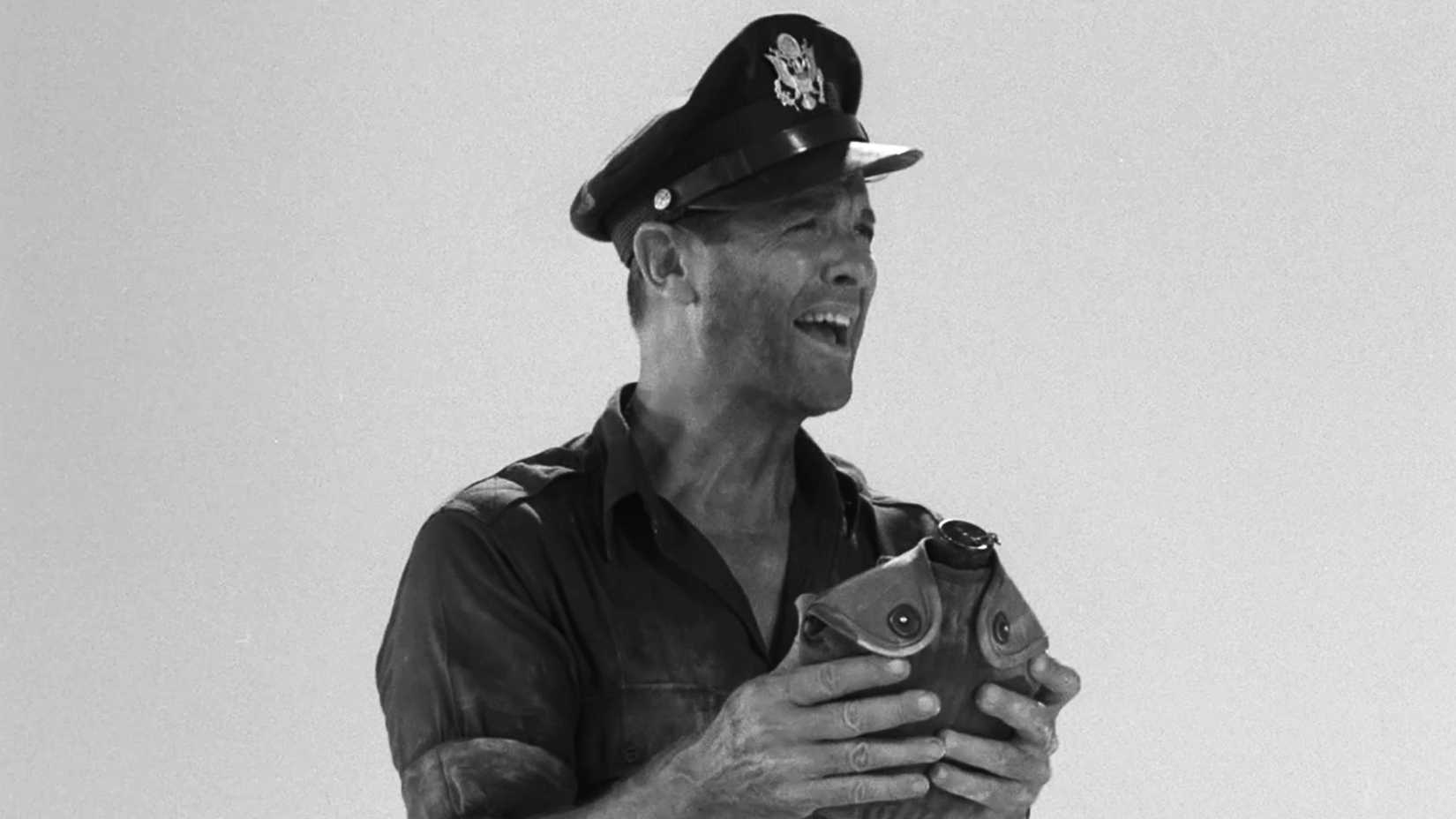
Few episodes connect The Twilight Zone to military history as directly as “King Nine Will Not Return.” The 1960 episode follows Capt. James Embry, commander of a crashed B-25 Mitchell, wandering the North African desert and desperately searching for his missing crew. Behind the fictional bomber was the very real B-24 Liberator Lady Be Good.
The bomber disappeared April 4, 1943, after its crew became lost returning from a mission over Italy. Its wreckage was finally spotted deep in the Libyan desert in 1958. Searchers later found the remains of most of its nine-man crew in 1960. Air & Space Forces Magazine identifies the mystery as the inspiration for Serling’s episode.
It gave The Twilight Zone a haunting bridge between two American eras. The country was racing toward missiles and spaceflight while mysteries and trauma from World War II were still being pulled from the desert.
5. ‘The Shelter’:
What Happens When There Isn’t Room for Everyone?
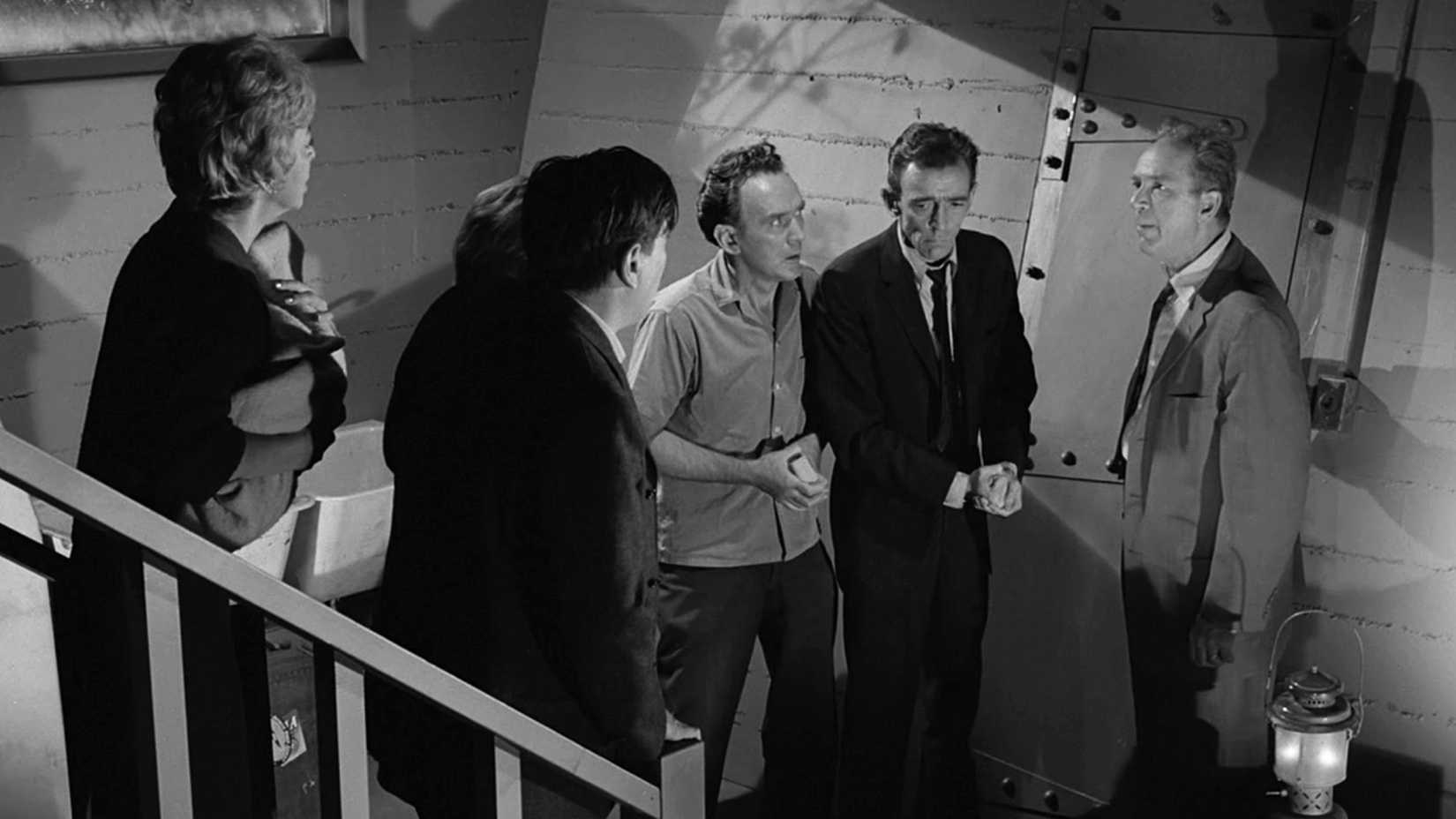
“The Shelter” aired Sept. 29, 1961. Its timing could hardly have been better. When an apparent attack warning is broadcast, a suburban family retreats to the fallout shelter it prepared. The neighbors did not build shelters of their own. Suddenly they all want inside.
Americans were having versions of that exact conversation. President John F. Kennedy had called for an expanded civil-defense program that year as Cold War tensions intensified.
Fallout-shelter construction received widespread media coverage, while Americans debated whether families with private shelters had any obligation to admit unprepared neighbors. The National Park Service notes that contemporary discussion became heated enough to raise the possibility of armed homeowners keeping others out. Serling barely had to exaggerate.
6. ‘Two’:
What Does Victory Mean When Almost Everyone Is Dead?
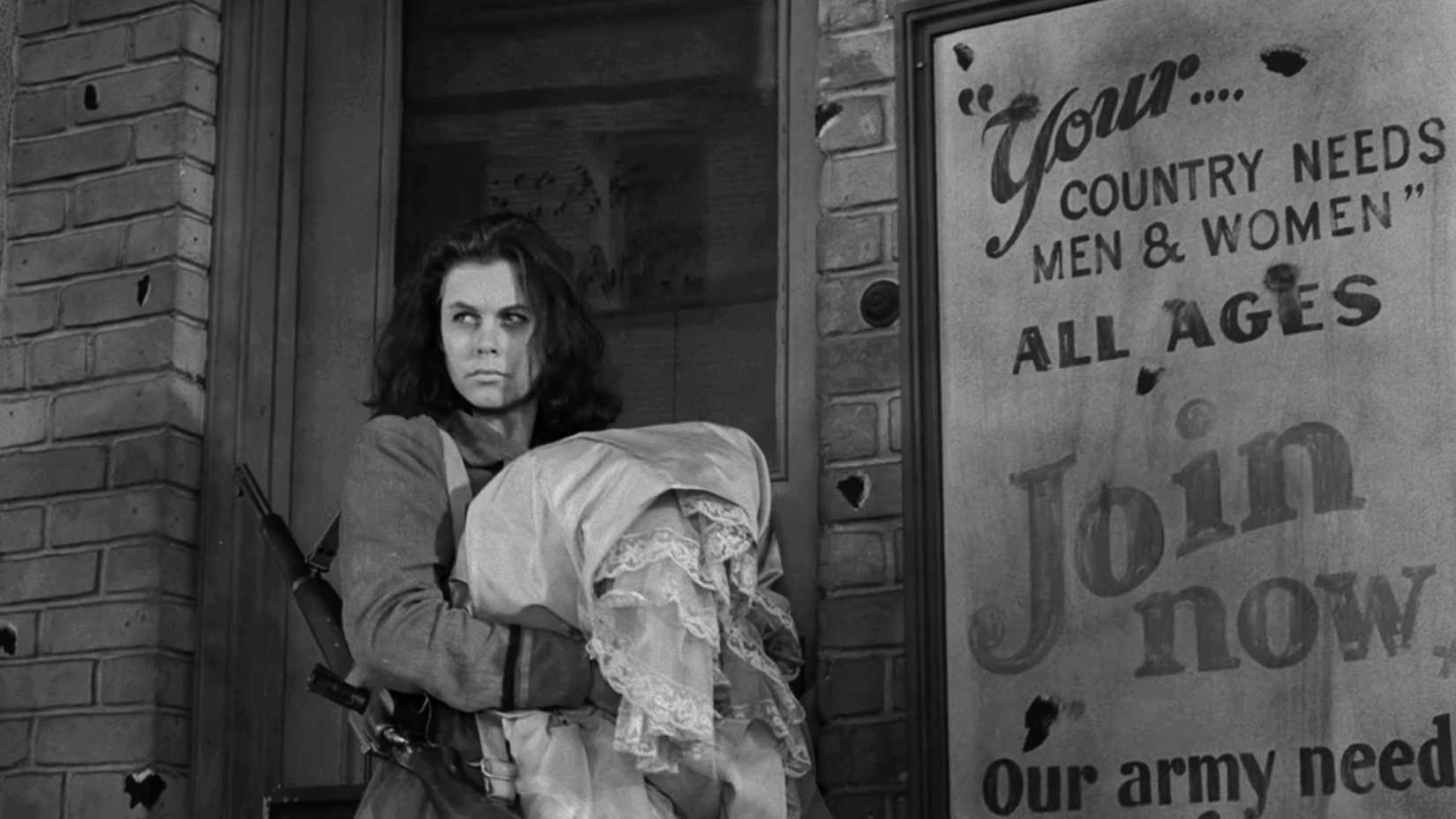
Two weeks before “The Shelter,” The Twilight Zone had already visited the other side of nuclear war. “Two” stars Charles Bronson and Elizabeth Montgomery as soldiers from opposing sides who appear to be the last survivors of a nuclear holocaust.
Their countries may have been enemies, but there is almost nothing left for either of them to defend. Cold War strategy produced enormous vocabularies around deterrence, retaliation and survival.
“Two” reduces the question to two exhausted soldiers standing among the ruins. The war has already been fought. The only meaningful decision left is whether they intend to keep fighting it.
7. ‘The Parallel’:
Astronauts Had Become Cold War Heroes
By March 1963, when “The Parallel” aired, The Twilight Zone’s relationship with spaceflight looked very different from the isolation chamber of its premiere.
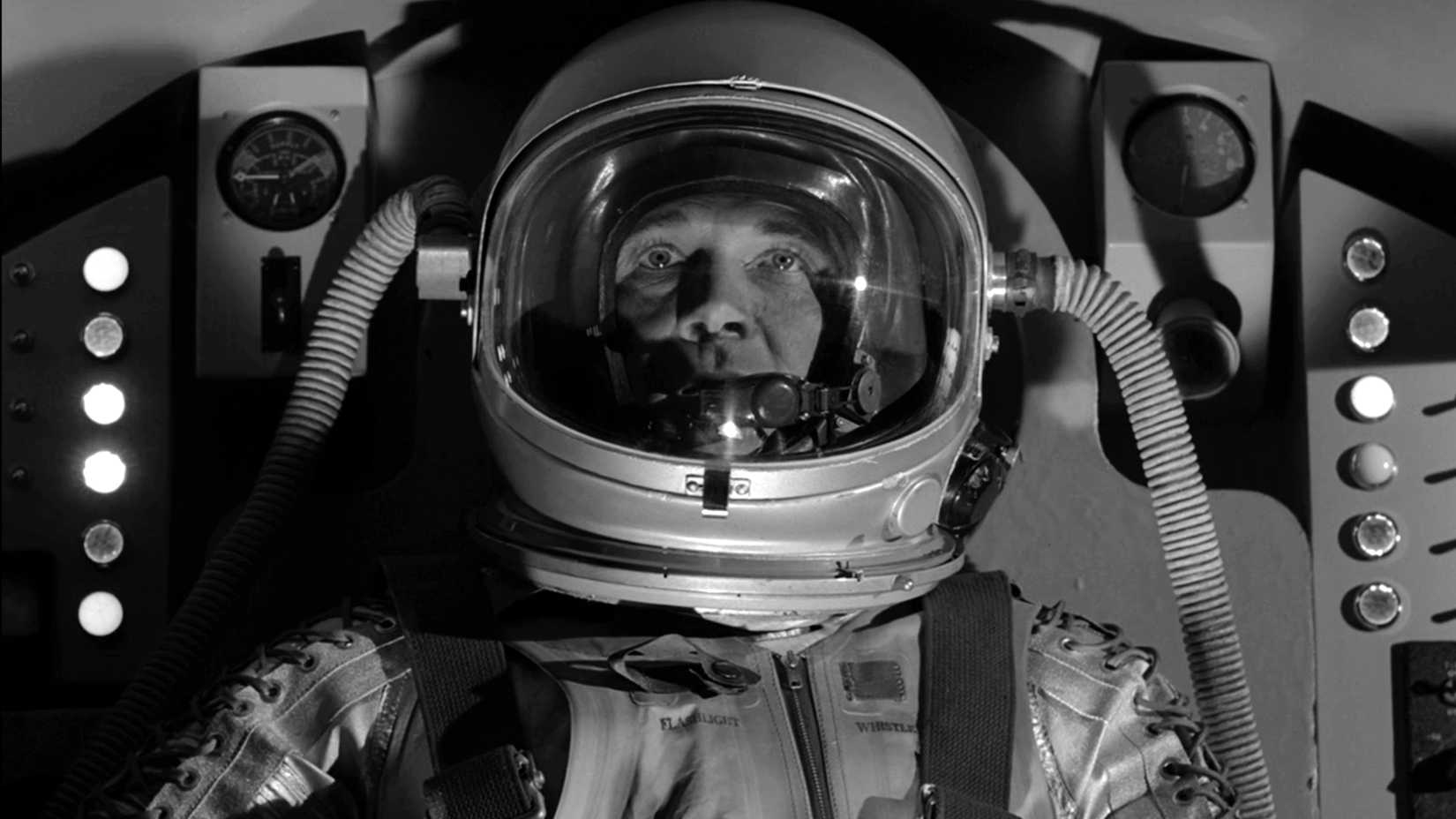
Major Robert Gaines blasts into orbit and returns to Earth, only to discover small details of his life have changed. The episode arrived after Americans had watched the Mercury program turn military test pilots into national celebrities.
NASA had gone from introducing seven prospective astronauts in April 1959 to actually sending Americans into space. That makes “The Parallel” an appropriate bookend.
The Twilight Zone began with an Air Force candidate imagining a journey to the moon from inside an isolation box. Four years later, it could simply put an astronaut into orbit and trust its audience to come along. The technology had changed remarkably quickly and the fears went right along with it.