

NEWYou can now listen to Fox News articles!
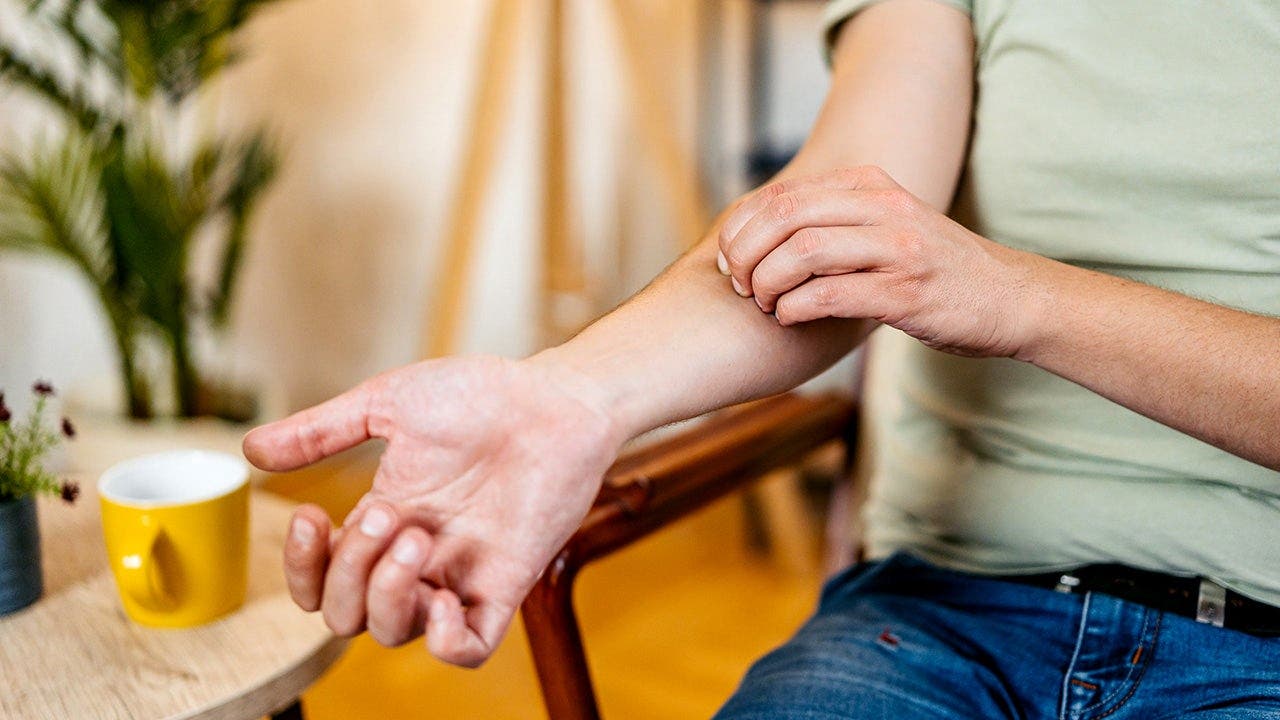
Scratching a bug bite or rash may seem irresistible, but it’ll only provide temporary relief and likely prolong the itch, researchers found.
Scratching is a natural response to a skin irritant that increases skin inflammation and can make certain diseases, such as eczema, worse. But why scratching exacerbates swelling and whether the evolutionary response offers any benefit is something University of Pittsburgh researchers said remained “poorly explored.”
To investigate the relationship between itch, scratching and inflammation, the researchers, led by University of Pittsburgh professor of dermatology and immunology Daniel H. Kaplan, applied an allergen to the ears of mice to trigger allergic-contact dermatitis, an eczema-like inflammatory skin condition.
The mice developed the type of skin reaction people commonly have to poison ivy, certain metals, like nickel, and some skincare ingredients.
One group of mice was designated as “normal,” while another group was genetically modified to lack an itch-sensing neuron.
A set of mice was allowed to scratch freely, while another was prevented from scratching with an Elizabethan-style collar, often referred to as the “cone of shame” among pet owners.
The researchers found that scratching activated mast cells, which the Cleveland Clinic describes as part of the body’s “alarm system” that “look out for harmful invaders.” Mast cells release histamine and other inflammatory chemicals that cause itchiness.
CLICK HERE FOR MORE LIFESTYLE NEWS
“Sometimes, they activate when they shouldn’t, causing allergic reactions,” Cleveland Clinic explained.
The researchers found the mice that scratched freely released more substance P, a signaling molecule that activated more mast cells, causing increased inflammation and a prolonged itch-scratch cycle.
The mice that were prevented from scratching and those lacking the itch-sensing neuron experienced less inflammation.
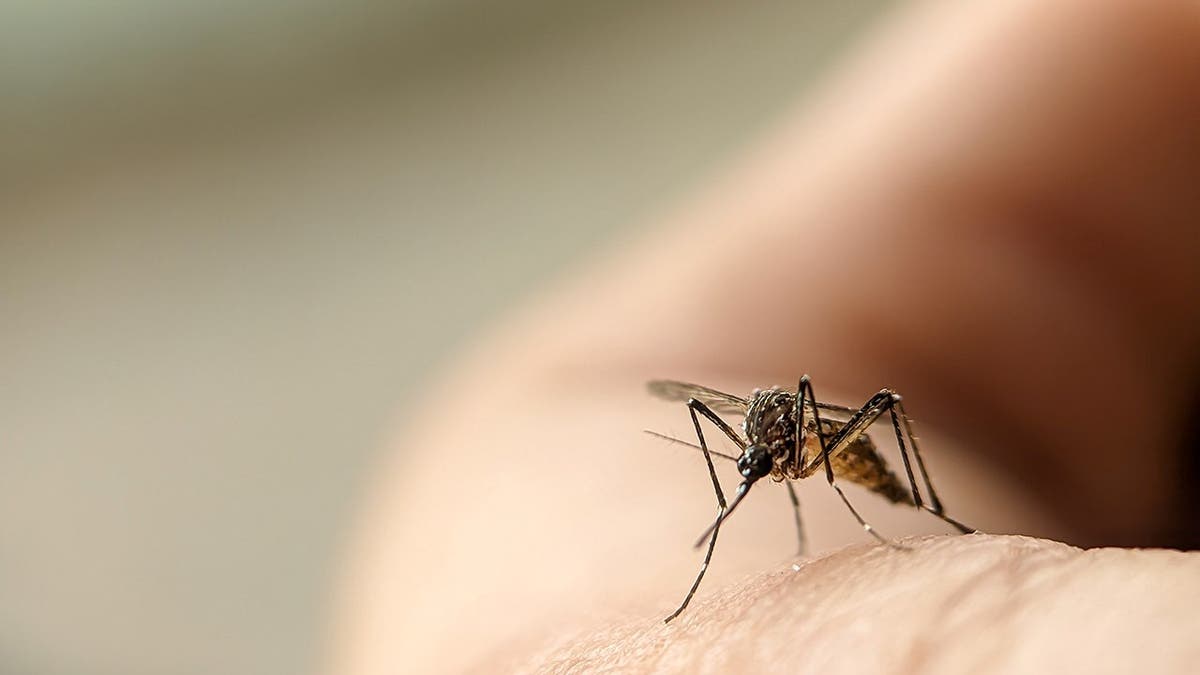
Scratching is satisfying, however, and Science reported “The capacity to both sense itch and behaviorally respond by scratching evolved hundreds of millions of years ago.”
Because mast cells are “also important for protecting against bacteria and other pathogens,” the researchers performed another experiment to determine “if scratching-induced activation of mast cells could affect the skin microbiome,” University of Pittsburgh reported in a news release.
TEST YOURSELF WITH OUR LATEST LIFESTYLE QUIZ
The scientists found that scratching reduced levels of Staphylococcus aureus, one of the bacteria most associated with skin infections.
“The damage that scratching does to the skin probably outweighs this benefit when itching is chronic,” Kaplan cautioned.

“At first, these findings seemed to introduce a paradox: if scratching an itch is bad for us, why does it feel so good?” he said. “Scratching is often pleasurable, which suggests that, in order to have evolved, this behavior must provide some kind of benefit. Our study helps resolve this paradox by providing evidence that scratching also provides defense against bacterial skin infections.”
CLICK HERE TO DOWNLOAD THE FOX NEWS APP
According to the American Academy of Dermatology, cold compresses and 1% hydrocortisone cream may help relieve itching.
The researchers published their findings in the journal Science last year.
Read the full article here