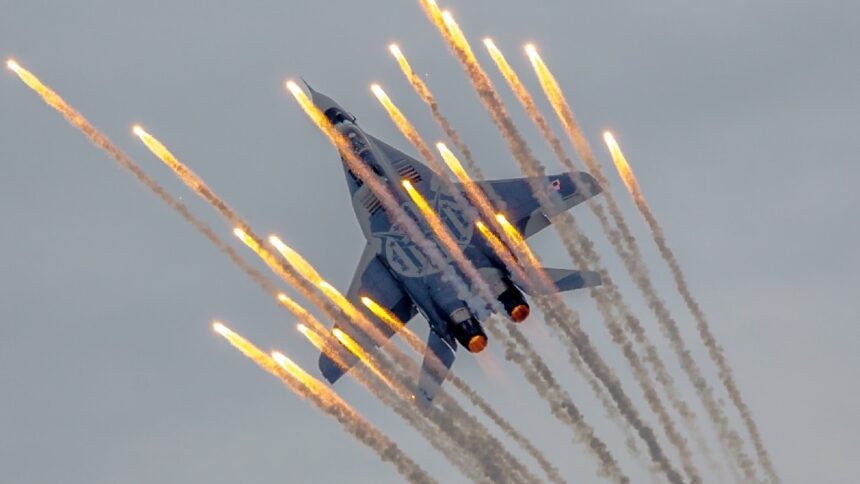

Summary and Key Points: Moldova emerged from the Soviet collapse with 34 MiG-29 fighters and no way to use them. It could not afford the maintenance, had no need for a fourth-generation air-superiority aircraft, and was one of the poorest countries in Europe. What it had was inventory, and Iran was interested. In 1997, the United States bought 21 of those aircraft through the Nunn-Lugar Cooperative Threat Reduction program for about $40,000,000, flew them to America, and never used a single one in combat. The purpose was not to acquire fighters. It was to make sure nobody else did.
How the US Military Got MiG-29 Fighters to Stop Iran
In the late 1990s, the U.S. military quietly purchased a fleet of Soviet MiG-29 fighters, not from Russia, but from Moldova.
The unusual transaction was not about using the MiGs operationally, but for fear that Iran sought the aircraft to deliver nuclear weapons. The preemptive purchase highlighted the chaos of post-Soviet arms proliferation and showed the U.S. was willing to intervene directly to shape global weapons flows.
Post-Collapse Arms Proliferation
After 1991, newly independent states including Moldova inherited Soviet military equipment. A small and poor former Soviet republic, Moldova inherited 34 MiG-29 Fulcrum fighters.
Moldova was ill-equipped to operate fourth-generation fighters.
MiG-29 Fulcrum taken back in July, 2025 at the National Museum of the U.S. Air Force by Harry J. Kazianis.
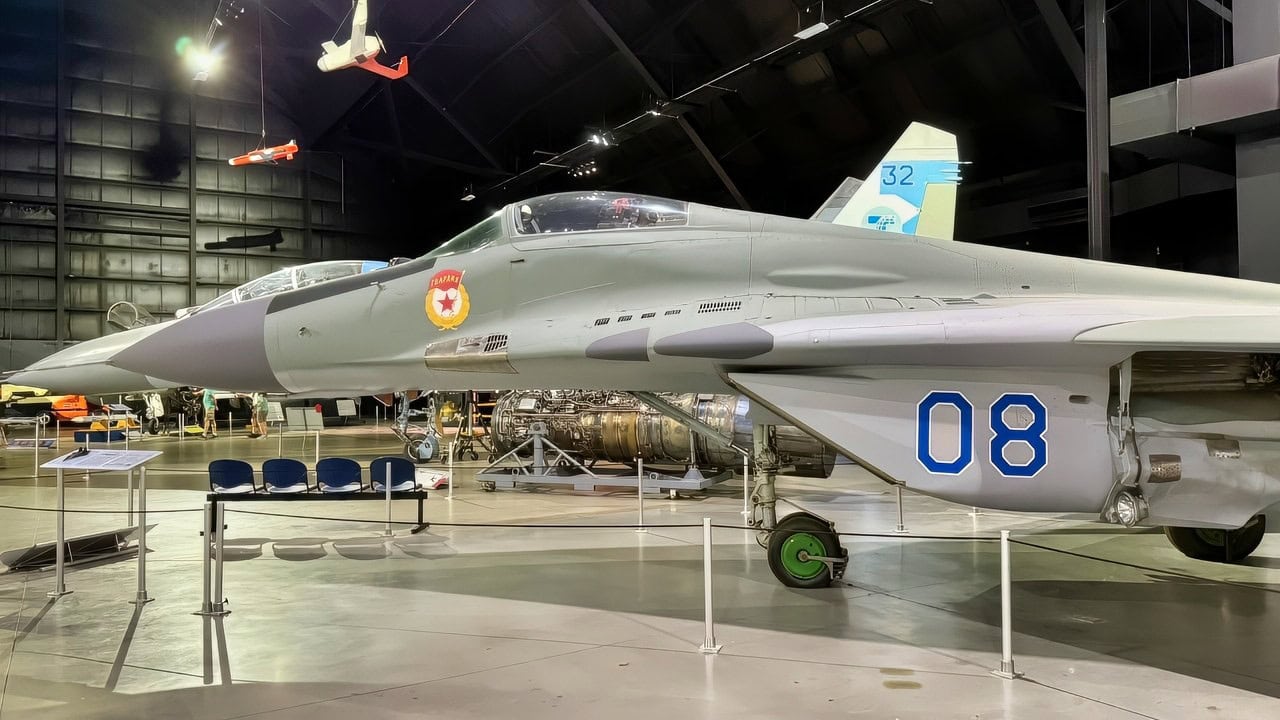
Real MiG-29 at USAF Museum in Dayton. Image Credit: 19FortyFive.com
The country lacked the resources to maintain the aircraft and had no strategic need for advanced air-superiority fighters.
The MiGs became a financial burden, but for cash-strapped Moldova, they had a potential value beyond strategic air power: hard currency.
Porous arms markets were a hallmark of the post-Soviet era. High-end weapons were at risk of being sold to rogue states and sanctioned regimes. The United States watched this situation nervously, keeping an especially close eye on Iran.
Alarm Bells in Iran for MiG-29 Fighters
In the 1990s, Iran was expanding its missile and nuclear programs. Tehran sought advanced delivery platforms, a development that worried the United States (and Israel) for obvious reasons.
Iran recognized the value of the MiG-29. The aircraft was designed to carry nuclear-capable Soviet weapons and was compatible with stand-off delivery concepts.
Even if Iran never armed the MiG-29 with nuclear weapons, the capability would enhance deterrence while improving air defense penetration capabilities.
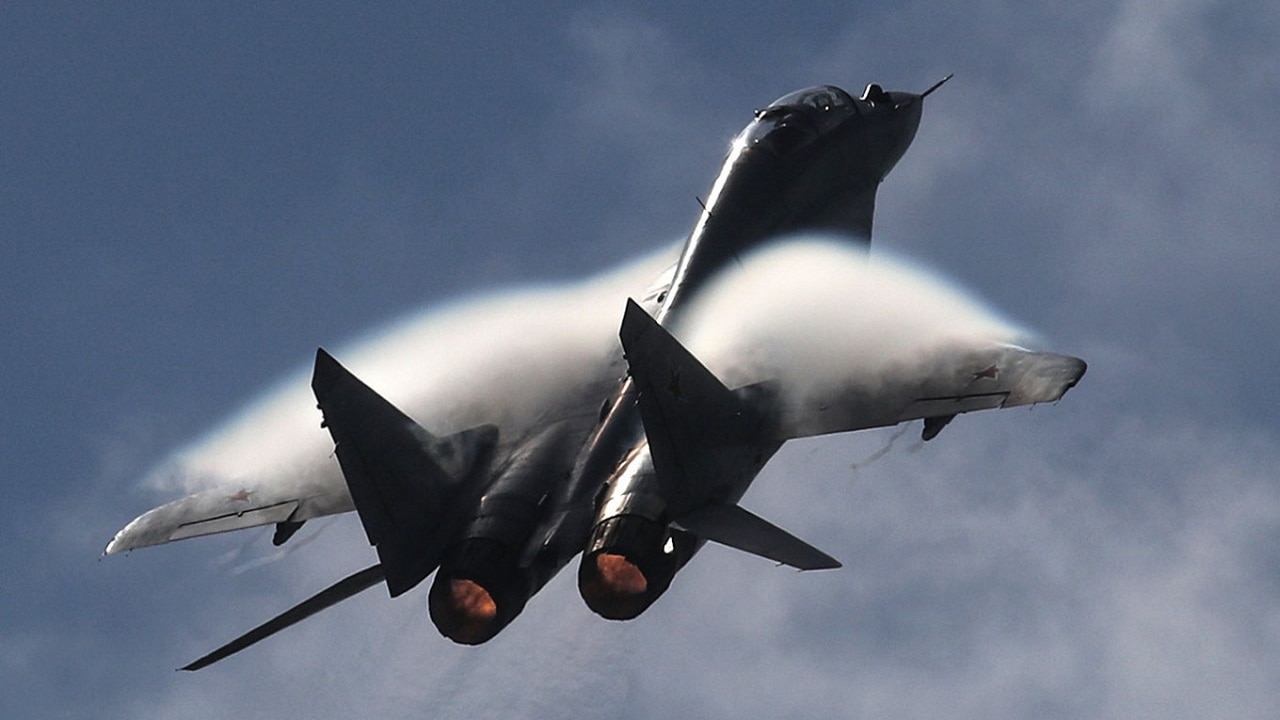
MiG-29 fighter.
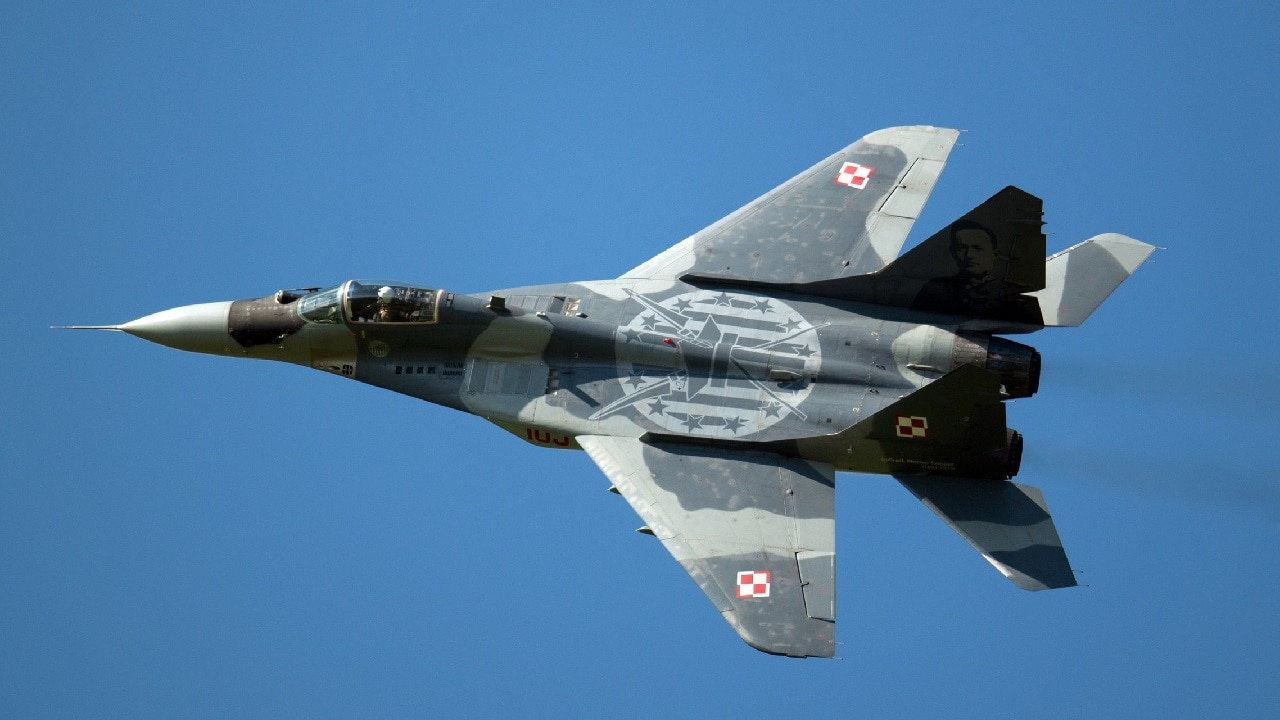
MiG-29 fighter. Image Credit: Creative Commons.
The U.S. was concerned not just with the aircraft itself, but with the capabilities it would confer upon Iran.
From the U.S. perspective, preventing the initial acquisition seemed cheaper than countering Iran’s newly acquired capabilities after the fact.
The US Intervenes
In 1997, Washington acted through the Nunn-Lugar Cooperative Threat Reduction program to purchase 21 MiG-29s from Moldova, including single-seat and two-seat variants. The remaining airframes were destroyed or rendered inoperable. The cost was about $40 million.
The aircraft were transported to the United States, thereby exiting the global arms market and becoming an intelligence and training tool for U.S. forces.
The MiG-29 was not some knock-off junk fighter.
It was a credible machine with a high thrust-to-weight ratio, strong short-range dogfighting performance, and nuclear-strike compatibility. At the time, the MiG-29 was still competitive against Western fourth-generation fighters.
For Iran, the MiG-29 would have represented a major qualitative leap, so the United States was incentivized to prevent proliferation.
MiGs Stateside
Once the MiGs arrived in the United States, they were not integrated into U.S. combat units. Instead, the jets were used for evaluation and testing and to help the U.S. refine tactics and pilot training. The strategic value lay primarily in denying Iran the airframes, and in the knowledge gained from the airframes, rather than any sort of operational edge.
The episode illustrates the fragility of post-Cold War arms control and the importance of proactive measures to prevent proliferation.
The intervention demonstrated U.S. priorities in preventing the spread of nuclear delivery capabilities and showed a willingness to use economic power rather than force.
The incident was part of a broader effort to secure loose nuclear materials and to control the diffusion of advanced weapons.
The MiG purchase was a success, though rarely discussed.
Contemporary Symmetries
Similar dynamics exist today. Advanced weapons are floating around, and cash-strapped and sanctioned states are always looking for an edge.
The United States is still concerned with technology proliferation, and likely still drawing on the lessons of the Moldova purchase.
Sometimes prevention is cheaper than confrontation, and strategic purchases can shape outcomes without war.
Air power is not always about who has what, but also about who lacks what.
About the Author: Military and Aviation Expert Harrison Kass
Harrison Kass is an attorney and journalist covering national security, technology, and politics. Previously, he was a political staffer and candidate, and a US Air Force pilot selectee. He holds a JD from the University of Oregon and a master’s in global journalism and international relations from NYU.

![James Talarico Mourns Collapse of Scheme Threatening Half a Million Texas Energy Jobs [WATCH]](https://www.lifezette.com/wp-content/uploads/2026/05/2026.05.28-11.13-lifezette-6a18235788380.jpg "James Talarico Mourns Collapse of Scheme Threatening Half a Million Texas Energy Jobs [WATCH]")