
You probably think the EV mandate is over. That’s exactly what Washington wants you to believe.
Congress celebrated. The White House touted what it called one of the largest deregulatory efforts in modern history, highlighting the repeal of federal vehicle emissions rules as the centerpiece of more than $1 trillion in projected savings. Automakers began telling investors they were pivoting back toward the vehicles customers actually want. Dealers finally saw hope after years of trying to move electric vehicles that many buyers simply didn’t want.
Gas-powered vehicles continued dominating large parts of the country because they remain practical, affordable, and easy to refuel.
‘Not yet’
Then I started talking to people who follow automotive policy for a living.
I kept hearing the same answer: “Not yet.”
The reason is California.
While Washington rolled back federal emissions rules, California’s authority to set stricter vehicle emissions standards largely survived. Seventeen states and the District of Columbia now follow California’s rules, representing roughly 40% of the nation’s new-vehicle market. That means one state’s policies can effectively shape what automakers build for the entire country.
The fight now centers on four California Clean Air Act waivers that allow the state to enforce stricter emissions standards, including requirements that automakers sell increasing numbers of electric vehicles and meet tougher tailpipe-emissions limits. The EPA sent those waivers to Congress for review under the Congressional Review Act. California immediately sued, arguing the waivers aren’t subject to congressional repeal.
Congressional Republicans disagree.
California king
They’re racing to overturn the waivers before the Congressional Review Act deadline expires. If they succeed, future administrations would face a much steeper legal hurdle before restoring California’s authority. If they fail, the legal framework that has allowed California to shape the national auto market could remain in place for years.
To be fair, the Trump administration fundamentally changed federal auto policy. Repealing the EPA’s greenhouse gas endangerment finding removed the legal foundation for nationwide greenhouse-gas regulations, marking one of the biggest deregulatory shifts in decades.
But Washington only dismantled part of the system.
Once enough states adopt California’s standards, automakers face a simple business decision. They can engineer different vehicles for different parts of the country — or build to the toughest standard and sell it everywhere. Guess which option usually wins.
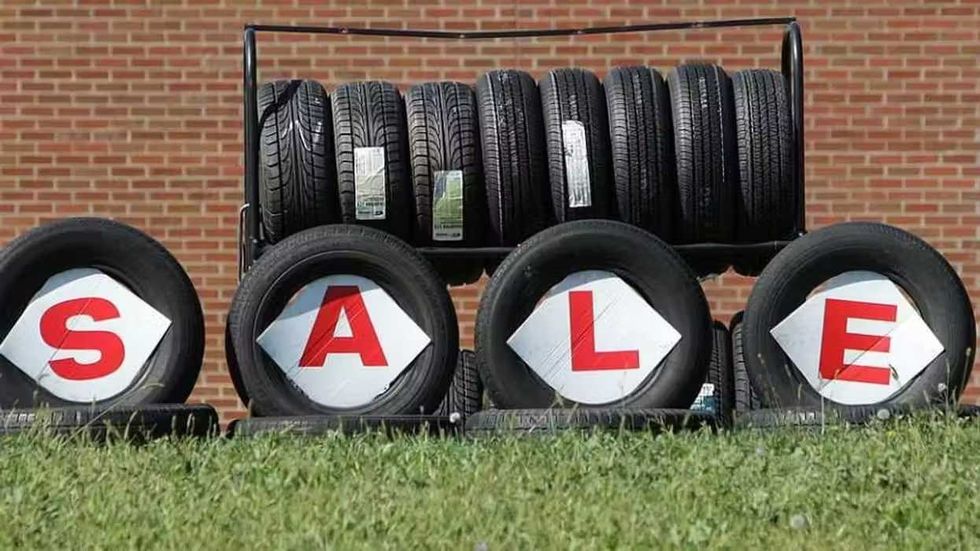
RELATED: California wants to decide what tires you can buy — what could possibly go wrong?
 Bloomberg/Getty Images
Sunk costs
Now follow the money.
Over the last decade, automakers invested hundreds of billions of dollars preparing for an electric future regulators insisted was inevitable. Battery manufacturers expanded production. Charging companies attracted billions in public and private investment. Utilities planned for rising electricity demand. Entire business models were built around the assumption that government would continue pushing rapid electrification.
When that much money depends on one regulatory direction, nobody quietly accepts a change in course.
Businesses fight to protect their investments. Lobbyists fight to preserve the policies that created them. Investors fight to protect their returns. That’s not a conspiracy. It’s economics.
Consumers, however, had other ideas.
Real life over regulations
Electric vehicle sales in America never matched many of the industry’s most ambitious forecasts. Hybrids surged because they offered better fuel economy without requiring people to change how they live. Gas-powered vehicles continued dominating large parts of the country because they remain practical, affordable, and easy to refuel. Dealers struggled with inventory that reflected regulatory priorities more than consumer demand, and manufacturers wrote off billions after investing ahead of the market.
None of this means electric vehicles are a bad option. Buy one if it fits your lifestyle. Buy a hybrid if that’s the better option. Buy a gasoline-powered pickup if that’s what your family or business needs.
That’s what consumer choice looks like.
Looking back over the last decade, I don’t see consumers driving this transition. I see regulations shaping investment, investment shaping production, and production shaping what buyers were offered in the showroom.
That’s a very different sequence.
Washington may have dismantled the federal EV mandate. But unless Congress also closes California’s regulatory back door, the pressure that reshaped the auto industry could return under a future administration.
The question isn’t whether electric vehicles have a future. They do.
The question is whether consumers or regulators get to decide how quickly that future arrives.
Read the full article here