

WHAT YOU NEED TO KNOW
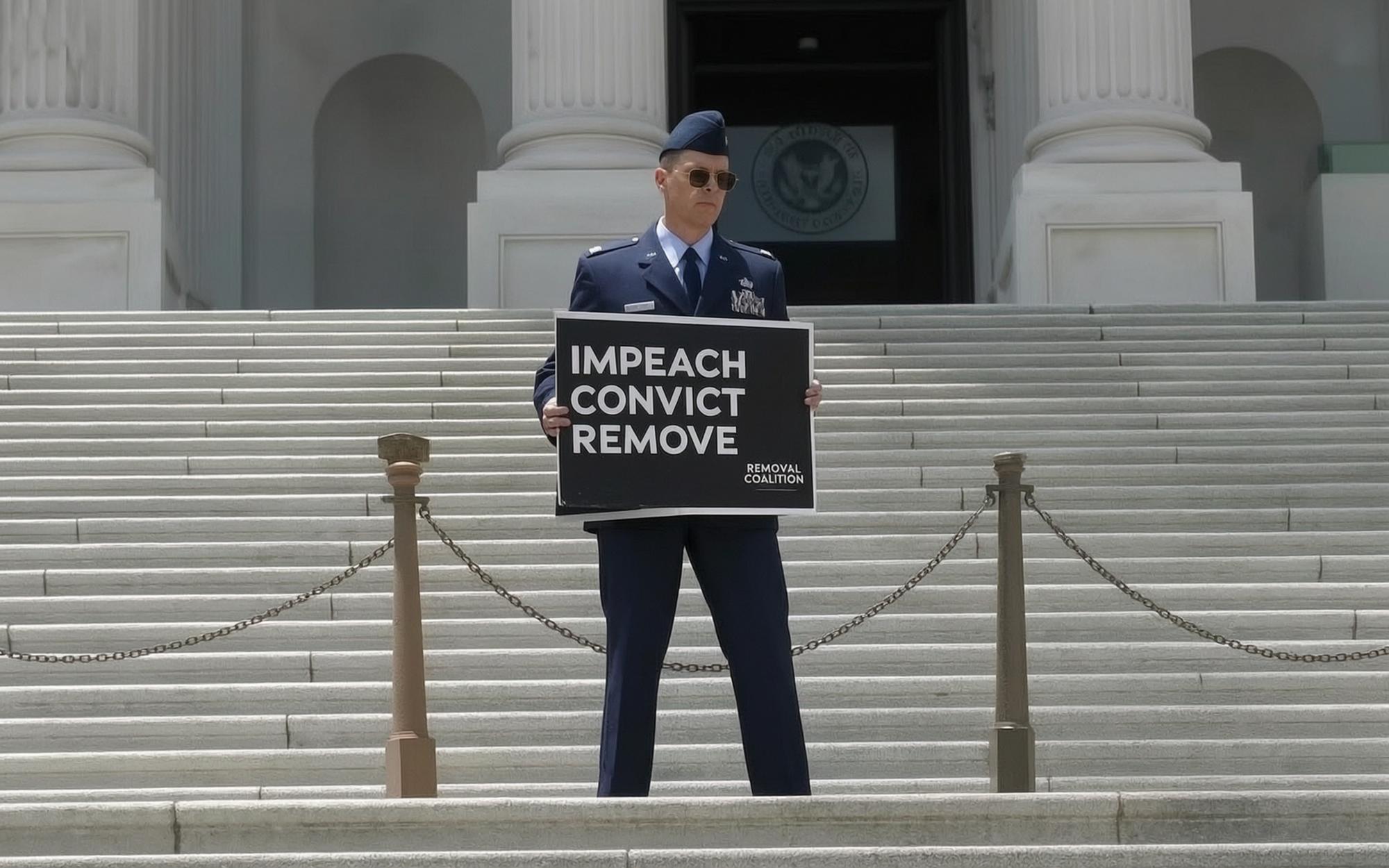
- Air Force Maj. Jason Watson faces 10 specifications under three UCMJ articles after calling for the impeachment and removal of President Trump and Vice President Vance.
- Watson’s lawyers requested a special court-martial, arguing that criticism does not necessarily constitute contempt and pointing to Lt. Col. Stuart Scheller’s case.
- The government presented 29 evidence exhibits and testimony from Maj. Bethany Evans concerning Watson’s alleged refusal to wear his Physical Training Gear uniform.
- Maj. Joshua Wendell has eight business days from the hearing date to make recommendations to the Special Court-Martial Convening Authority.
Air Force Maj. Jason Watson told an Article 32 preliminary hearing that “discomfort is not contempt” as his lawyers sought to have his case referred to a special court-martial.
In an unsworn statement, Watson said his oath to the Constitution compelled him to act and that his position was nonpartisan.
It was Watson’s first statement since he was charged with 10 specifications under three articles of the Uniform Code of Military Justice.
He said he would’ve protested any office that violated the law, presenting his actions as a matter of constitutional obligation rather than party politics.
Gold. Upgraded. Buy real gold from $1. Store it in America. Sell it with one click.
Civilian attorney Chris Mutimer argued during the Friday hearing at Joint Base Anacostia-Bolling in Washington, D.C., that the central question is whether Watson committed a crime.
According to Mutimer, the case is not about whether the major’s words were wise.
Watson faces three specifications under Article 88 for contempt toward officials.
He also faces five specifications under Article 92 for failure to obey an order or regulation and two specifications under Article 133 for conduct unbecoming of an officer.
This Could Be the Most Important Video Gun Owners Watch All Year
The Air Force major called for the removal, conviction and impeachment of President Donald Trump and Vice President JD Vance while standing on the steps of the U.S. Capitol in early July. His interviews with the Defenders of Our Republic Substack and CNN also led to specifications under Article 88.
Watson’s defense maintained that criticism does not necessarily amount to contempt.
His lawyers also argued that Article 88 is rarely charged and has been applied inconsistently, making a special court-martial more appropriate than a general court-martial.
A special court-martial addresses offenses at the misdemeanor level, while a general court-martial handles the most severe offenses at the felony level.
Image Credit: Beachside Stock
The defense relied heavily on the previous military case involving Marine Corps officer Lt. Col. Stuart Scheller.
Scheller publicly criticized U.S. leaders in October 2021 over the withdrawal from Afghanistan. He made the remarks while wearing his uniform in social media videos that went viral.
Scheller pleaded guilty to all six UCMJ violations brought against him. Those included Article 88, Article 89, Article 90, two charges under Article 92 and 27 specifications under Article 133.
He was sentenced to forfeit one month of pay totaling $5,000 and received a punitive letter of reprimand. Scheller later left the Marine Corps in December 2021 after serving for 17 years.
The Marine officer spent nine days in pretrial confinement, while Watson had spent 35 days in solitary confinement as of Monday.
Watson’s lawyers used that contrast while urging officials to send his case to a special court-martial.
The defense also showed a video of War Secretary Pete Hegseth praising Scheller on Fox & Friends. Hegseth said Scheller “showed the kind of backbone the vast majority of politicians would never show, to cut against the grain and put their career on the line, to speak truth, to take accountability when no one else did.”
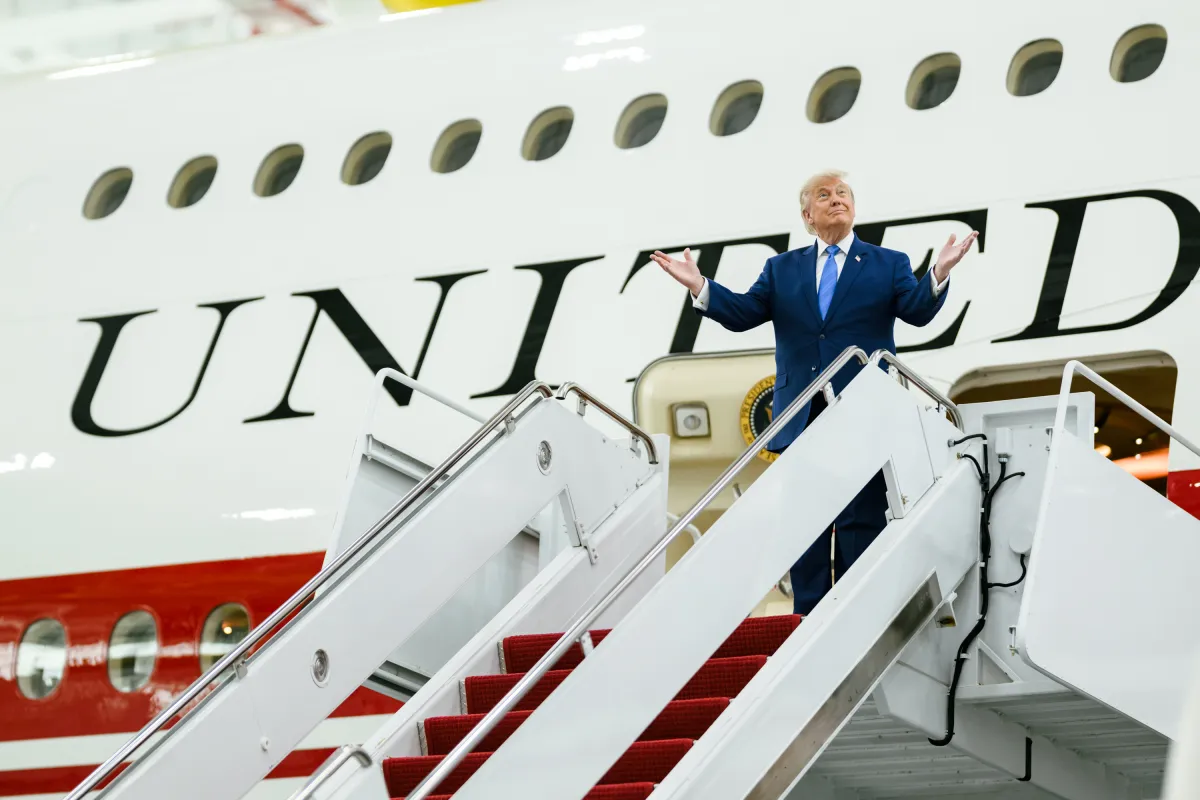
Image Credit: The White House
Hegseth later appointed Scheller as Deputy Chief of Staff for Personnel and Readiness in 2025. Watson’s lawyers argued that the two cases should not receive sharply different treatment when they involve overlapping charges.
“The law will not make the same word a virtue in one officer’s mouth and a felony in another’s,” Watson’s lawyers argued.
They emphasized that Scheller’s case was resolved through a special court-martial despite involving the same charges and more specifications.
Maj. Joshua Wendell, the hearing’s preliminary officer, pressed the attorneys about the proper standard for comparing the cases.
“Which one is the right outcome? Was Scheller properly disposed of and how do I determine that?” Wendell asked.
Mutimer answered that perception should serve as the anchor and said Wendell should consider making both sides equal in his recommendations.
Government counsel countered that “we cannot do [name calling],” referring to Watson’s language about Trump.
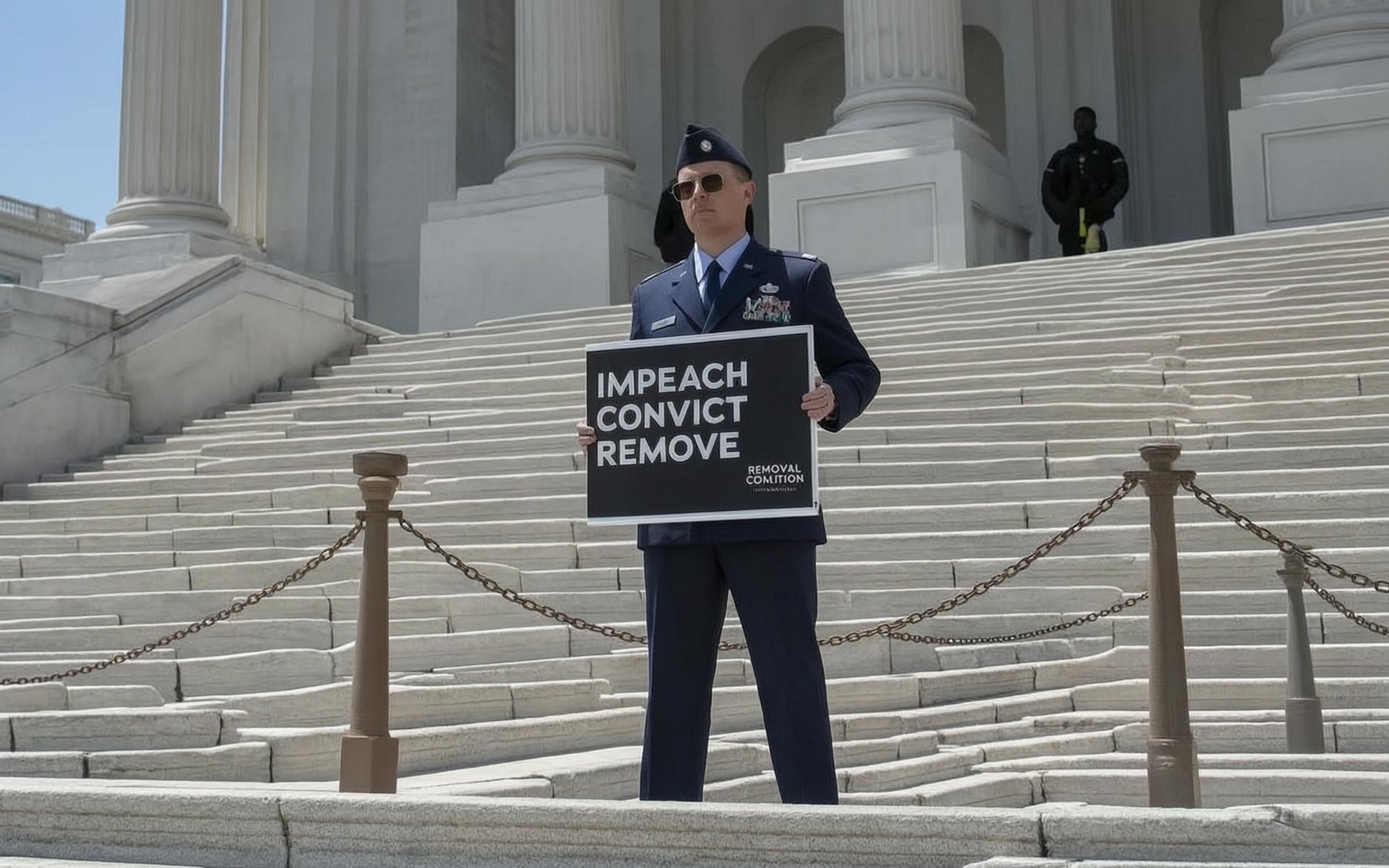
Image Credit: Beachside Stock
The government presented 29 evidence exhibits and called one witness, Maj. Bethany Evans, commander of the 811th Force Support Squadron.
Evans took command in the middle of July at JBAB and addressed Watson’s alleged refusal to wear his Physical Training Gear uniform while performing duties there.
Officials “quickly determined” that Watson would make a Permanent Change of Station to JBAB, with Evans serving as his commander because of the investigation.
That decision kept him from returning to his previous post in Bydgoszcz, Poland.
Wendell has eight business days from the hearing date to submit his recommendations to the Special Court-Martial Convening Authority.
That recommendation will follow a hearing dominated by arguments over contempt, consistency and the handling of Watson’s case compared with Scheller’s.
Gold is the oldest answer. SoundMoney makes owning it as easy as the apps you already use.
The opinions expressed by contributors and/or content partners are their own and do not necessarily reflect the views of LifeZette. Contact us for guidelines on submitting your own commentary.
Read the full article here