



WHAT YOU NEED TO KNOW
- The Navy selected Galliano Marine Services, Huntington Ingalls Industries and Saronic Technologies to provide 10 MUSVs each.
- Each agreement carries an average procurement cost of $40 million per vessel, with initial deliveries scheduled before fiscal year 2027 ends.
- The Navy plans to expand its unmanned surface vessel fleet from four to 30 vessels by 2030 in the Indo-Pacific.
- Phase two removes the high speed requirement and does not require refueling at sea.
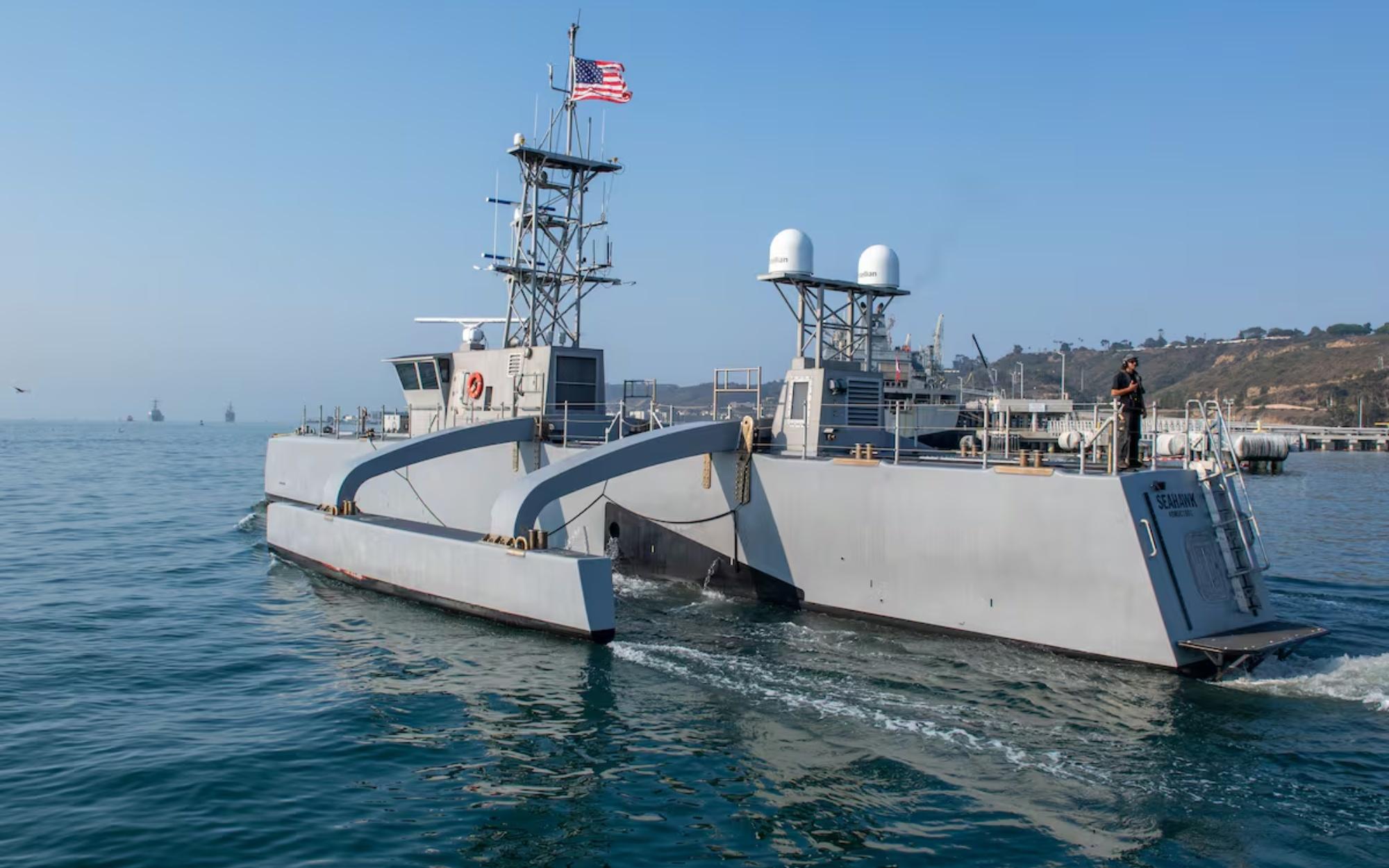
The U.S. Navy is moving ahead with plans to procure 30 medium unmanned surface vessels after seven companies competed for contracts under its new autonomous maritime robotics initiative. Three firms emerged from the first phase of testing at sea with production agreements.
Galliano Marine Services, Huntington Ingalls Industries and Saronic Technologies received the contracts after completing phase one testing for the Medium Unmanned Surface Vessel Family of Systems program. Each company is set to provide 10 vessels.
“Each agreement includes the procurement of 10 MUSVs, at an average procurement cost of $40 million per vessel,” the Navy said. “The first MUSVs are scheduled to be delivered to the Navy prior to the end of fiscal year 2027.”
Sea Machines, Leidos, PacMar Technologies and Birdon also completed testing at sea and competed for the Navy work. Those four companies ultimately were not selected to produce vessels under the announced agreements.
Gold. Upgraded. Buy real gold from $1. Store it in America. Sell it with one click.
Sea Machines, Leidos and PacMar Technologies still received $15 million for completing testing at sea. The three companies will now be hosted on the War Department’s drone marketplace, where they remain eligible to receive other contracts.
Image Credit: DoW
Acting Navy Secretary Hung Cao praised the awards as evidence that the Navy was placing a priority on moving quickly to modernize its fleet. The contracts represent another step in the service’s effort to expand its use of autonomous maritime systems.
During phase one, the Navy evaluated whether the MUSVs could understand a maritime environment, maneuver without assistance from an operator and deploy at sea for extended periods. Those requirements formed the first competitive hurdle for participating companies.
This Could Be the Most Important Video Gun Owners Watch All Year
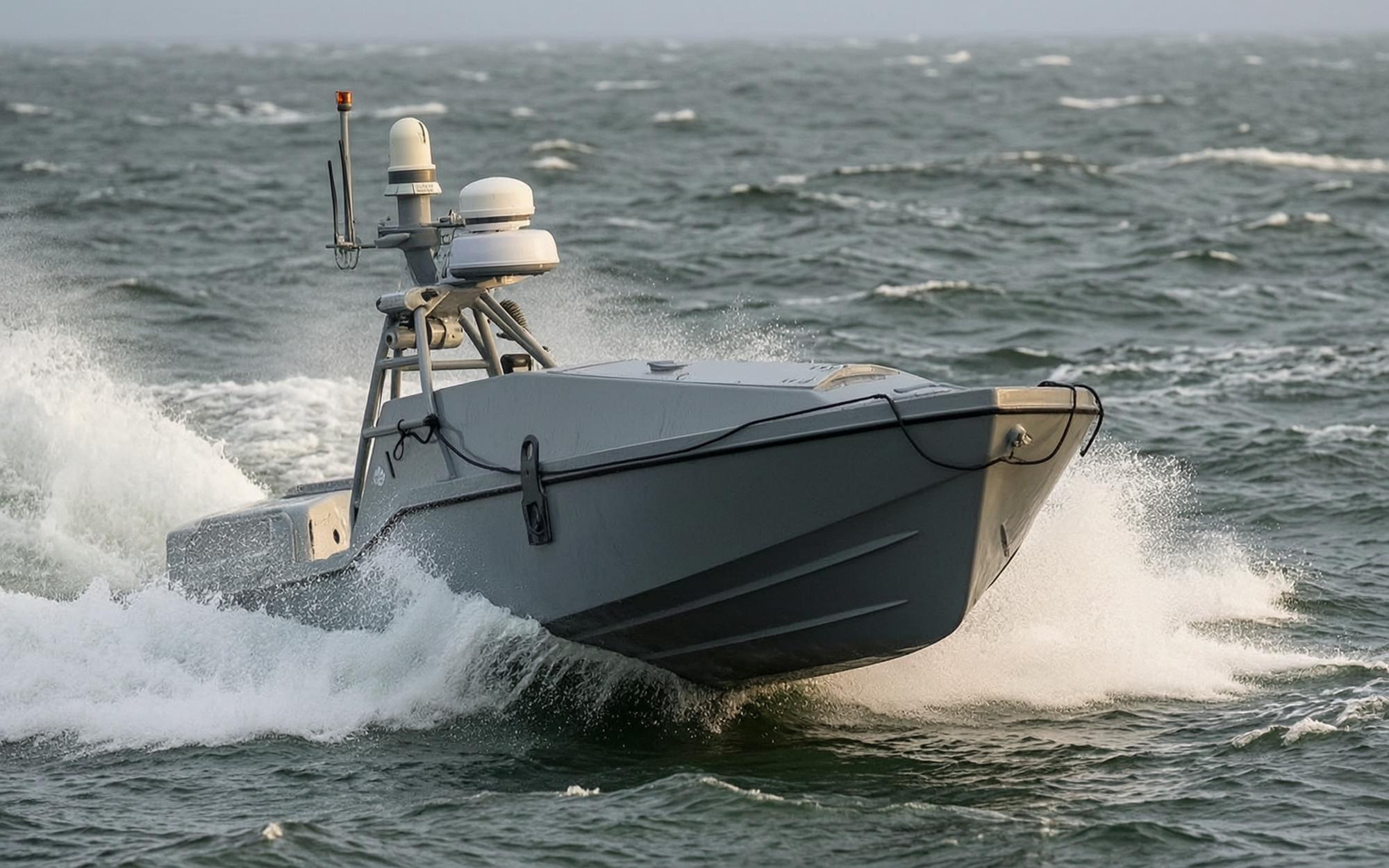
Image Credit: Beachside Stock
The Navy announced the beginning of phase two testing on Sept. 23 as it continued the procurement process for autonomous systems. Christopher Miller said the next phase will use less demanding requirements than those applied during phase one.
“Obviously with phase one, there were some more challenging requirements that they had to meet and so I’m trying to back off of those so that I can have a healthy competitive industrial base,” Miller said during a media roundtable on Tuesday.
Miller said phase two will not establish a high speed requirement for the MUSVs. The second phase also will not require the vessels to demonstrate refueling at sea.
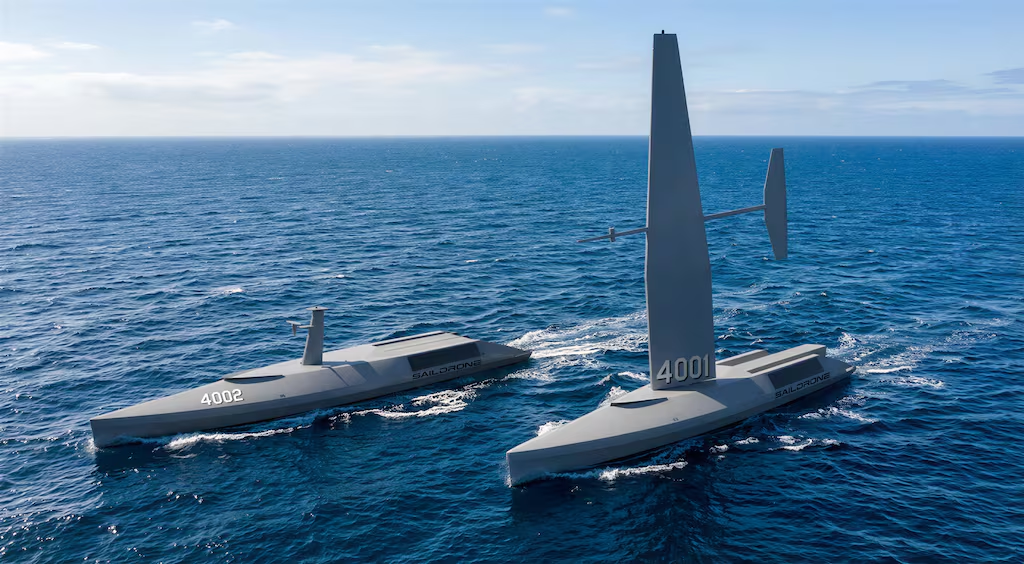
Image Credit: Saildrone
The service is attempting to grow its unmanned surface vessel fleet from four vessels to 30 by 2030 in the Indo-Pacific. That expansion remains a central numerical target as the Navy moves through testing and procurement.
The Navy announced its MUSV marketplace in March, replacing the Modular Attack Surface Craft program. Several companies had already been competing for work through that earlier program when it was closed in favor of the marketplace approach.

Image Credit: DoW
Blue Water Autonomy and Saildrone initially participated in the Modular Attack Surface Craft program. After they were not selected to continue in the MUSV program, the two companies sued the Navy and alleged that they had been unfairly excluded.
The marketplace solicitation issued in March called for MUSVs capable of traveling 2,500 nautical miles at 25 knots. It also required the vessels to carry a load of 25 tons on the payload deck while operating in moderate conditions.
The push to accelerate autonomous systems research, development and solicitation followed a June report from the U.S. Government Accountability Office. The report said the Navy needed to quickly rethink how it invested in robotic systems to address urgent fleet needs.
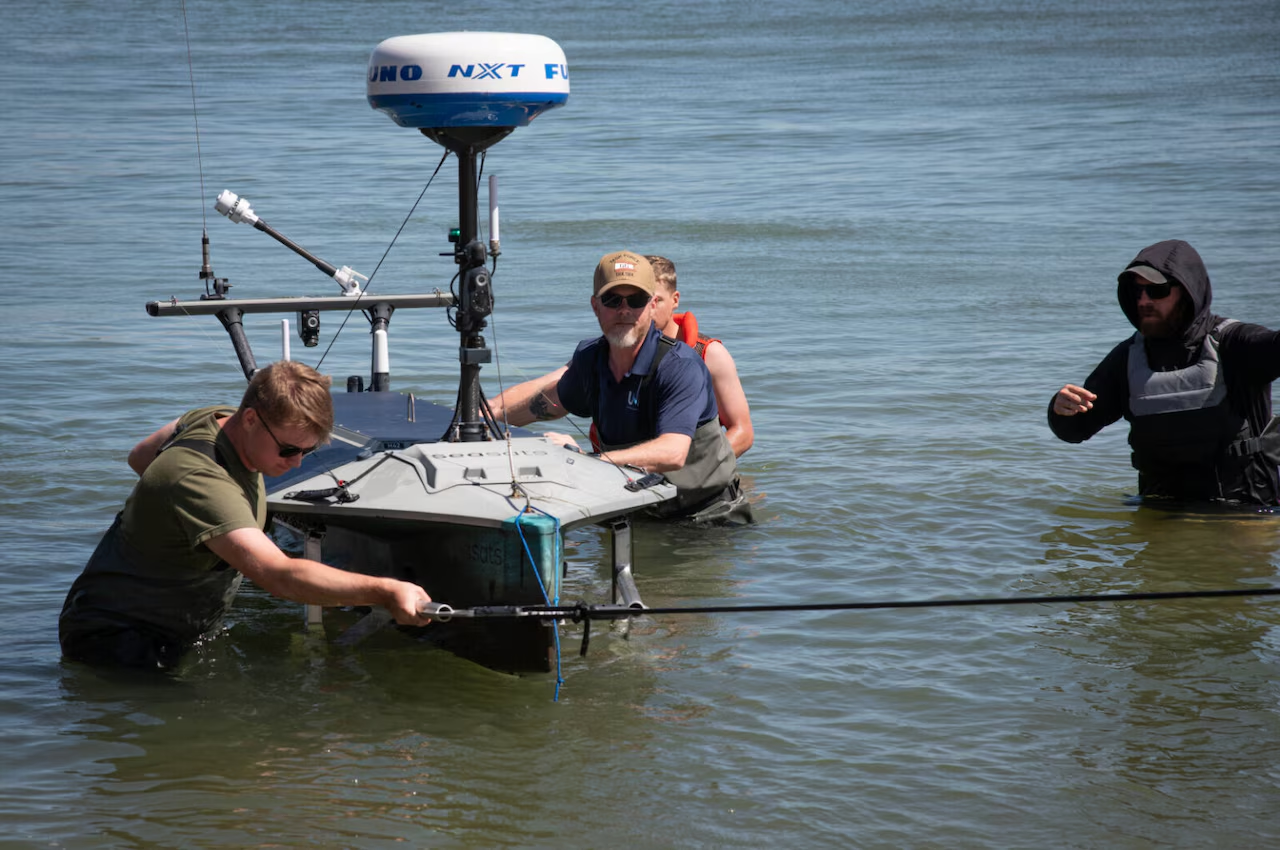
Image Credit: DoW
Leadership of the Navy’s robotic and autonomous systems effort also changed during the procurement campaign. Rebecca J. Gassler, who previously spearheaded the program, was fired on Aug. 5 after serving for only 8 months.
Christopher Miller replaced Gassler and assumed duties as acting Direct Reporting Portfolio Manager for Robotic and Autonomous Systems. The Navy created that role on the same day Gassler was removed, placing Miller in charge as phase two testing moved forward.
Gold is the oldest answer. SoundMoney makes owning it as easy as the apps you already use.
The opinions expressed by contributors and/or content partners are their own and do not necessarily reflect the views of LifeZette. Contact us for guidelines on submitting your own commentary.
Read the full article here




![Pfizer’s Vaccine Messaging Heads to Court in Florida [WATCH]](https://www.rvmnews.com/wp-content/uploads/2026/10/2026.10.02-07.34-rvmnews-6abf5e7de7c6c.jpg "Pfizer’s Vaccine Messaging Heads to Court in Florida [WATCH]")
![Christa Pike’s Attorney Gives Update After Botched Lethal Injections [WATCH]](https://www.rvmnews.com/wp-content/uploads/2026/10/2026.10.02-05.46-rvmnews-6abf4520ebaba.jpg "Christa Pike’s Attorney Gives Update After Botched Lethal Injections [WATCH]")