![“That’s the Person You Have to Negotiate With!” [WATCH]](https://www.rvmnews.com/wp-content/uploads/2026/04/2026.04.04-05.36-rvmnews-69d14c0e175bd.jpg "“That’s the Person You Have to Negotiate With!” [WATCH]")

The same social media strategy that helped propel New York City Mayor Zohran Mamdani into office is now drawing criticism from political observers who say it may be complicating his efforts to govern during the early months of his administration, as reported by the New York Post.
According to political experts, Mamdani’s reliance on direct-to-camera online videos, a central feature of his mayoral campaign, is now creating friction as he navigates negotiations with key city leaders.
During his campaign, Mamdani, a former state assemblyman, used digital platforms to connect with voters through short, direct messaging clips.
Here’s What They’re Not Telling You About Your Retirement
Some of those videos included efforts to tie then-opponent Andrew Cuomo to Jeffrey Epstein, a claim made without evidence, as part of a broader push to gain attention in a crowded race.
Now in office, Mamdani has continued using similar tactics, but critics say the approach is less effective in governing than it was on the campaign trail.
Recent videos released by the mayor have included public criticism of New York City Council Speaker Julie Menin amid ongoing negotiations over the city’s budget.
New York City Council just released a budget proposal. Here’s what New Yorkers should know: pic.twitter.com/V1uJzdece1
— Mayor Zohran Kwame Mamdani (@NYCMayor) April 1, 2026
Bill Cunningham, a longtime Democratic operative and former communications chief for ex-Mayor Michael Bloomberg, said the strategy could carry consequences.
This Could Be the Most Important Video Gun Owners Watch All Year
“That’s the person you have to negotiate with!” Cunningham told The Post, referring to Menin. “And there might be a price to pay.”
The dispute centers on how to address a reported $5.4 billion budget gap.
Earlier this month, the City Council, led by Menin, introduced a proposal aimed at closing the gap without raising property taxes or using city reserves, both of which Mamdani has suggested as possible solutions.
In response, Mamdani released a video criticizing the council’s proposal. “Her plan claims to close the city’s $5.4 billion fiscal gap without taxing the rich or cutting services.
The problem is that’s not what it would do. If her proposal was adopted, it would result in slashing billions of dollars from agency budgets, and working New Yorkers would pay the price,” the mayor said.
Some members of his own party pushed back on those claims. Bronx City Councilman Kevin Riley, who previously endorsed Mamdani, responded publicly on X, writing, “This is deeply misleading and potentially harmful! I thought these four years were going to be different.”
Cunningham noted that it is uncommon for a sitting mayor to publicly target the City Council speaker, especially early in an administration, suggesting it could complicate relationships.
“You live by the sword, you die by the sword. In this case, he got a little cut from the sword,” Cunningham said.
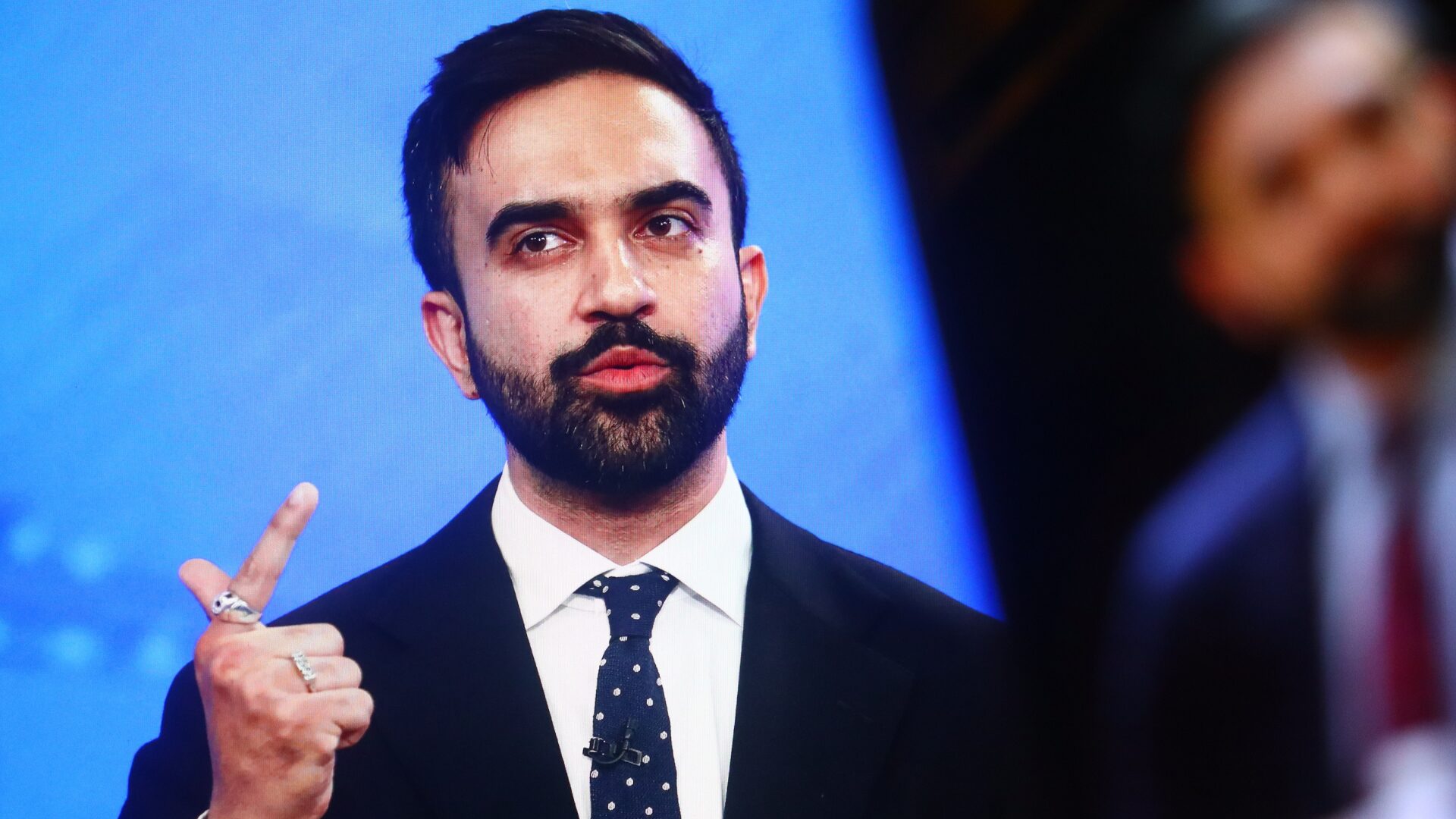
Polling data reflects challenges for the administration.
A recent Marist College poll found that 48% of New Yorkers approve of Mamdani’s job performance, a lower rating than former Mayor Eric Adams had at a comparable point in his tenure.
Evan Roth Smith, a founding partner of polling firm Slingshot Strategies, said the administration’s communication style may be contributing to tensions with the City Council.
“He definitely thought he would have an easier time with the council,” Smith said, adding that the administration risks losing support due to what he described as “self-inflicted” issues.
Mamdani’s use of video content has extended beyond policy disputes. As a candidate, he produced attention-grabbing footage, including a video of himself entering the cold waters of Coney Island to promote a rent freeze.
In the office, he has continued similar outreach, including a livestream in which he ate a Crunchwrap Supreme while discussing a settlement involving Taco Bell.
The mayor has also experimented with alternative media strategies, such as inviting social media influencers to participate in his first press conference, a format that differed from traditional media briefings.
Despite campaign promises of a “new era,” some observers have noted similarities between Mamdani’s approach and that of his predecessor, particularly in presentation style during public appearances.
Smith said questions remain about the administration’s policy direction, pointing to messaging around potential tax increases and efforts to secure higher revenue from Albany.
“Are they trying to prove a point with the wealth tax, or is he trying to get it? And that’s been the story over the first 100 days: Is he trying to pass policy, or is he signaling for ideological and political reasons?” Smith said.
A representative for the mayor’s office did not respond to a request for comment, according to the report.
Warning: Account balances and purchasing power no longer tell the same story. Know in 2 minutes if your retirement is working for you.
The opinions expressed by contributors and/or content partners are their own and do not necessarily reflect the views of LifeZette. Contact us for guidelines on submitting your own commentary.
Read the full article here


![California Has a Trillion Dollar Debt Problem, They Made Promises They Can’t Keep: David Friedberg [WATCH]](https://www.lifezette.com/wp-content/uploads/2026/02/2026.02.23-04.33-lifezette-699c815bd27db.jpg "California Has a Trillion Dollar Debt Problem, They Made Promises They Can’t Keep: David Friedberg [WATCH]")