![Why Kevin O’Leary Believes the Middle East Is Poised for a Big Economic Rebound [WATCH]](https://www.lifezette.com/wp-content/uploads/2025/02/2025.02.20-06.48-lifezette-67b778f33818c.jpg "Why Kevin O’Leary Believes the Middle East Is Poised for a Big Economic Rebound [WATCH]")

Investor and television personality Kevin O’Leary discussed the potential economic implications of stability in the Middle East, pointing to the role of secure global trade routes and the possible benefits of a broader peace agreement in the region.
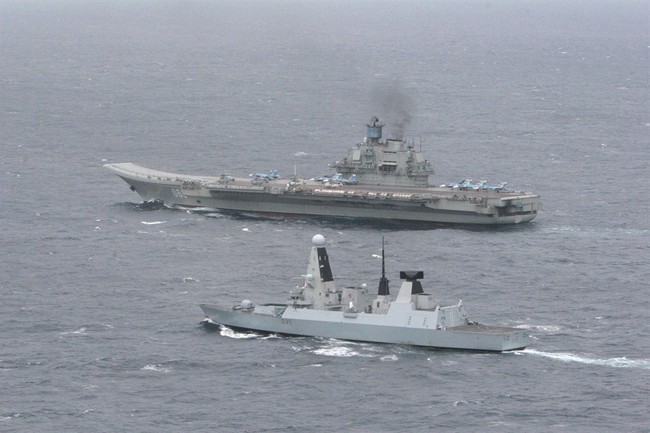
O’Leary framed his comments around the importance of certainty in international shipping, particularly through critical waterways that support global commerce.
“And I think about this, if you knew with certainty you would get through and you had to pay a price insurance premiums would come down,” he said, referring to the potential for reduced risk in maritime trade.
He compared the situation to other major shipping routes that operate without disruption from regional instability.
Here’s What They’re Not Telling You About Your Retirement
“All the other important waterways, Suez Canal, Panama Canal, we don’t have rogue nations controlling though,” O’Leary said.
According to O’Leary, markets may be willing to absorb costs associated with guaranteeing safe passage through contested regions.
“So there is a cost to get through with certainty,” he said.
“I think the market would be willing to pay for that.”
This Could Be the Most Important Video Gun Owners Watch All Year
He suggested that such a system could generate revenue that might be directed toward rebuilding efforts in countries affected by conflict.
“And that could also fund, you know what Iran is going to need to rebuild the infrastructure they’ve lost,” O’Leary said.
O’Leary noted that the success of such a model would depend on cooperation within the region.
“It depends if they really want peace or not,” he said.
“If they don’t, there still could be a tithe, but it would be for the nations that care.”
He identified several countries and global economic players that could participate in supporting stability and trade security.
“The region, UAE, Bahrain, Saudi Arabia, Qatar, and of course, the Chinese and Singapore and Japan, they’ll all pay,” O’Leary said.
O’Leary also addressed the potential cost of maintaining such a system, estimating that it could reach billions of dollars each month.
“And if it’s five or $6 billion a month, it’s nothing compared to the value of stability in getting 21% of the world’s oil through that strait,” he said.
He emphasized the broader economic implications tied to energy transportation and regional growth.
Access to a significant portion of the world’s oil supply, he said, would provide a strong incentive for international stakeholders to invest in maintaining stability.
O’Leary concluded by expressing optimism about the region’s economic prospects if peace can be achieved.
“I like this outcome,” he said.
“I don’t like war, but this tells me the region’s coming back big, because if you can get peace in the Middle East, it’s one of the fastest growing regions on Earth.”
WATCH:
Warning: Account balances and purchasing power no longer tell the same story. Know in 2 minutes if your retirement is working for you.
Read the full article here