
One of the biggest debates in concealed carry is whether your pistol should have a manual safety — or none at all. Some shooters think an external safety is essential. Others argue it’s an unnecessary liability that can get you killed under stress. Both sides make good points but before drawing any conclusions there are many nuances to consider.
Roughly speaking, semi-automatic handguns come in two flavors: those with some type of external safety mechanism and those without. When choosing a gun for personal protection — especially for someone who’s new to firearms or who doesn’t have a lot of practical shooting experience — this is a significant consideration.
Pistols With No External Safety
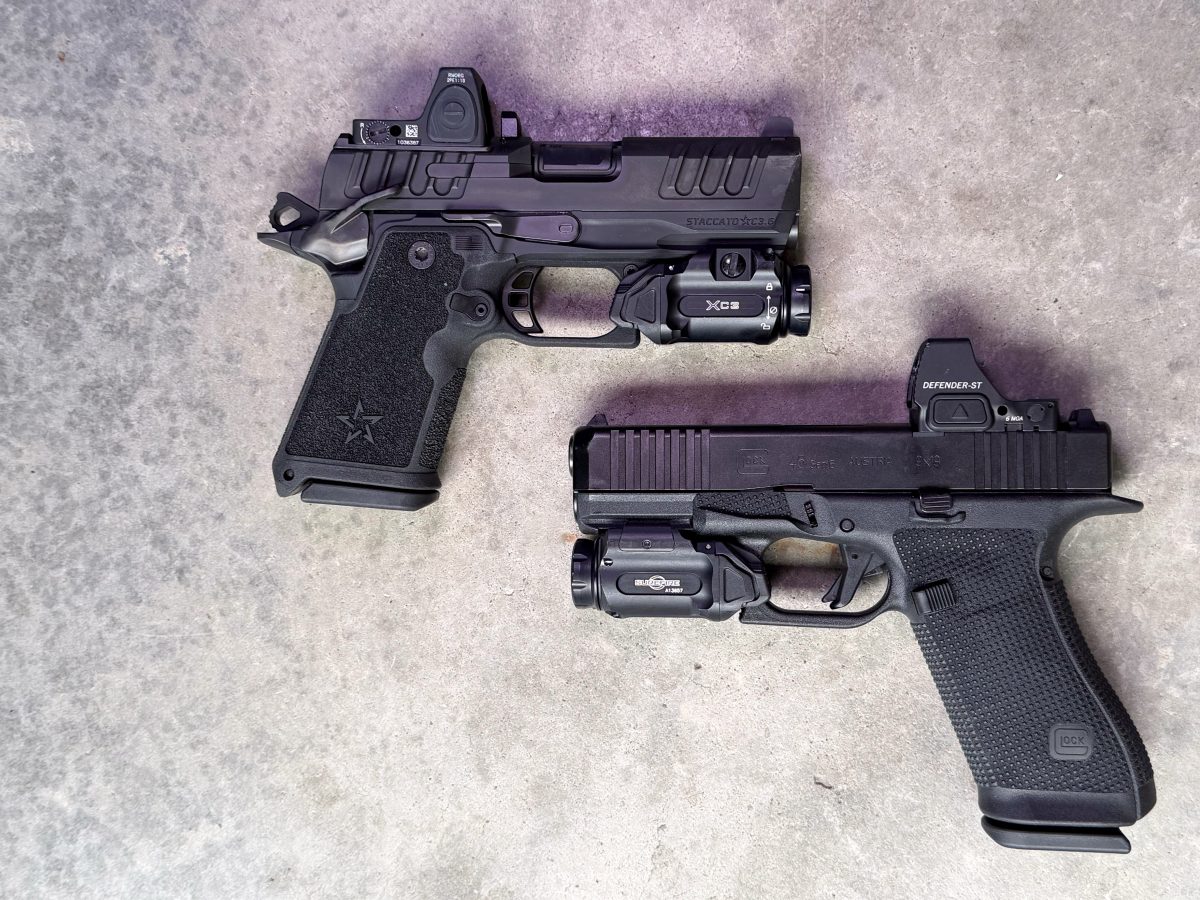
Handguns that lack external safeties come in many configurations. But striker-fired guns like Glocks and the innumerable Glock-inspired designs are the most common. Once a round is chambered, you just point and shoot. This simplicity of operation is why so many law enforcement and military units have gravitated to the platform, and it is a big part of the reason millions of civilian shooters have gone that route too.
They Still Have Safeties
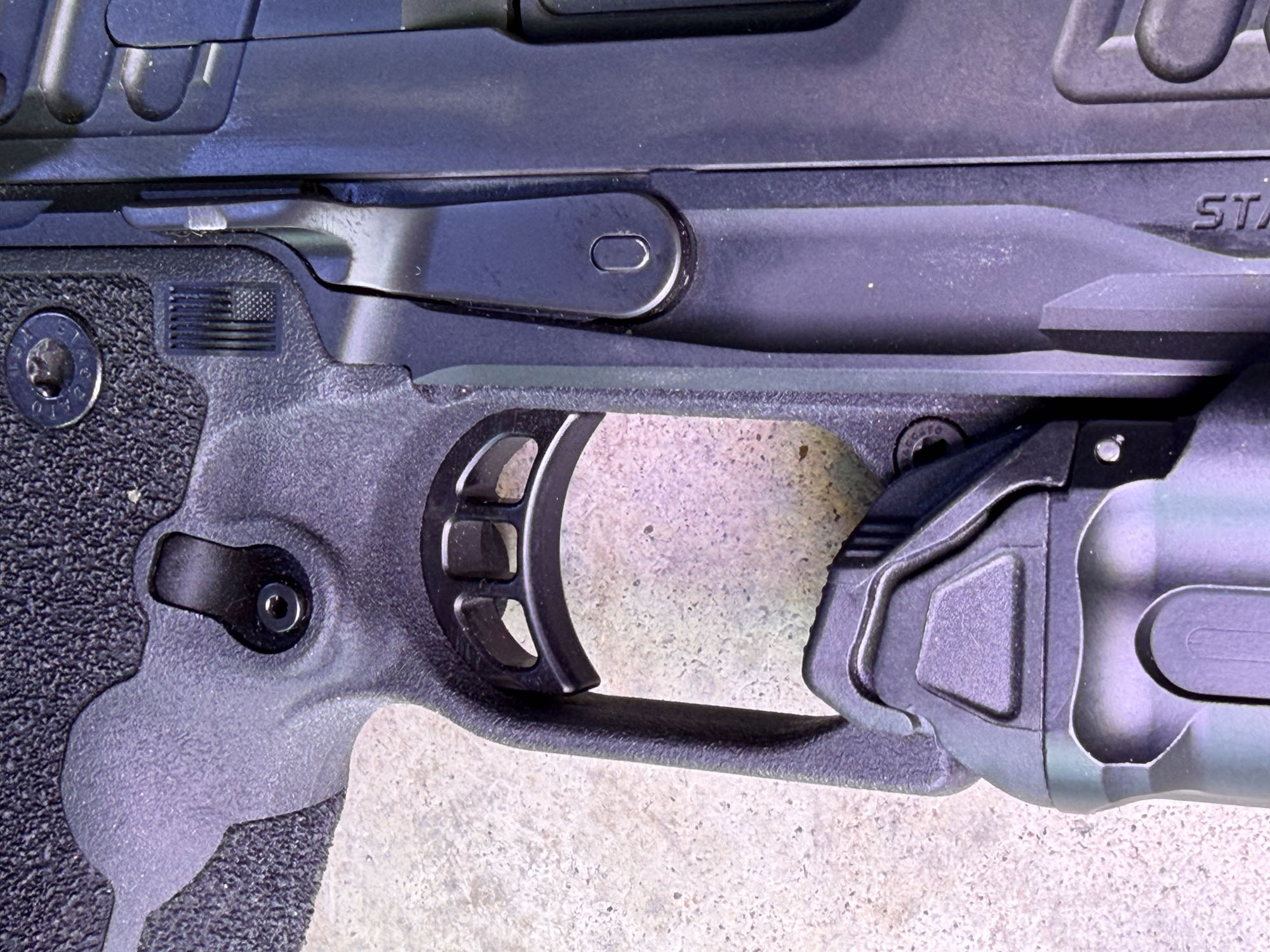
To be clear, while Glocks and others of the type don’t have an external safety, they incorporate internal safety mechanisms to ensure the gun only fires when the trigger is deliberately pulled.
The tab in the center of the trigger needs to be depressed before the trigger will move all the way to the rear, for instance. And within the slide are safeguards like a firing pin block that prevents the striker from moving forward unless the trigger is fully pressed.
These features help prevent the pistol from discharging when the gun falls, receives a blow, or encounters a snag that hangs up in the trigger guard.
Like any safety system, they can fail or be defeated, but the decades-long track record of striker-fired pistols that lack an external safety is impressive.
Some Have External Safeties
Also, I want to stress that there are plenty of striker-fired pistols that do have external thumb safeties. Smith & Wesson, Sig Sauer, and others offer that feature, but sales of those striker-fired guns are dwarfed by the models without external safeties.
Hammer-Fired Pistols
The most iconic type of pistol with an external safety is the 1911. And back in the day, when talk turned to the best pistol for personal protection, the 1911 and its kin were at the top of the list.
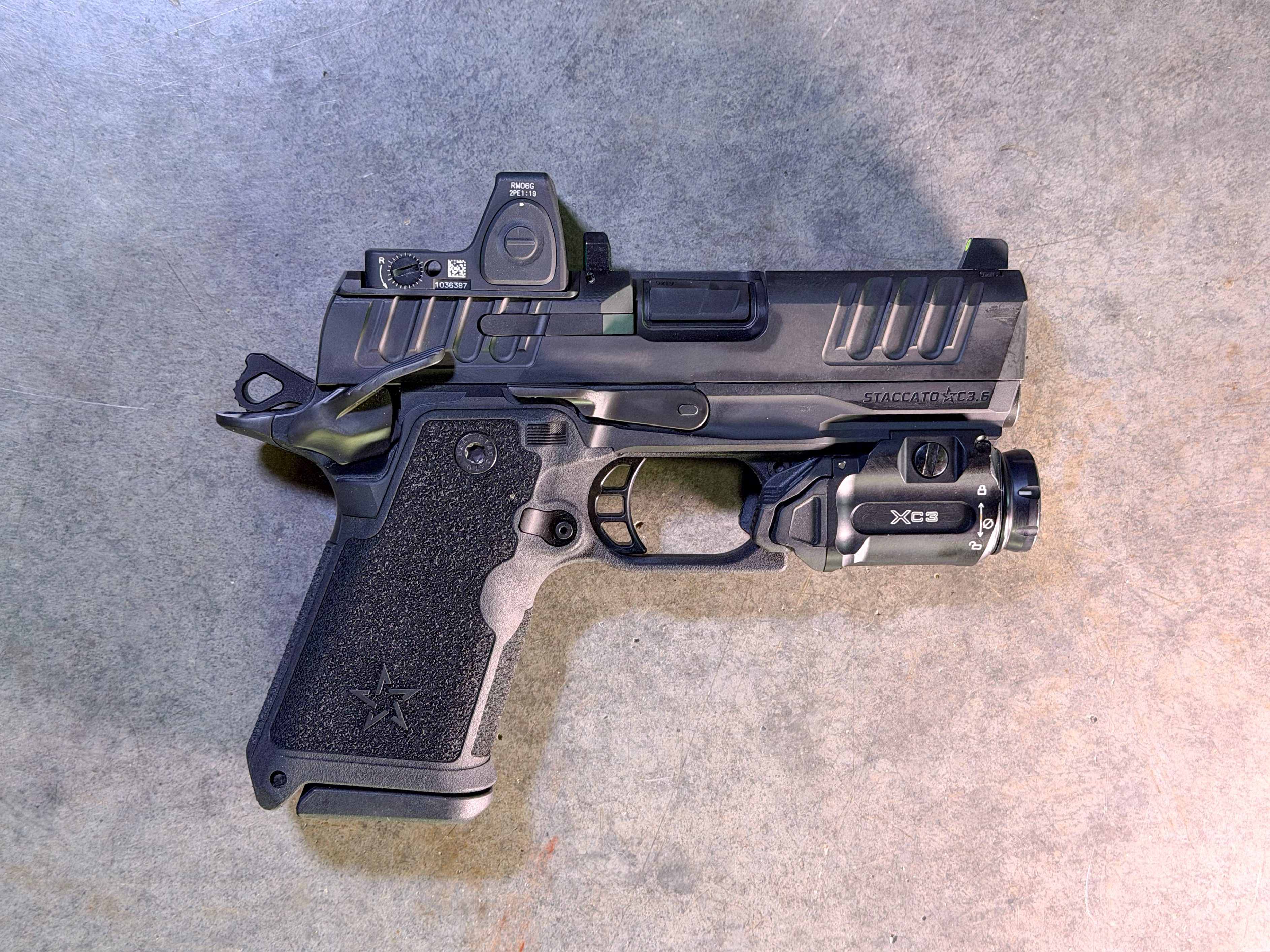
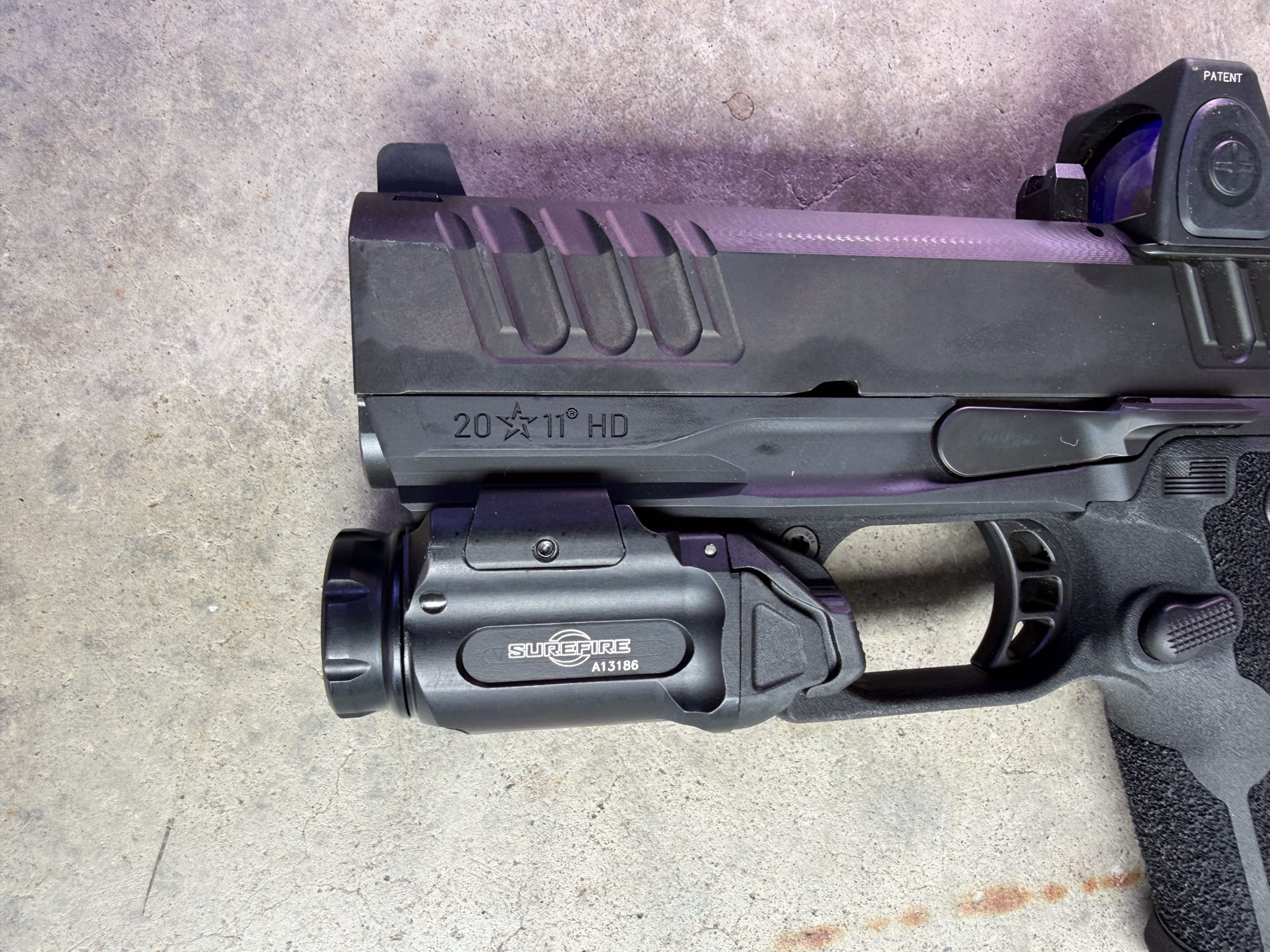
Many shooters still hold that view, and pistols like the Staccato C3.6— which can trace their heritage to John Browning’s immortal design — are regarded as the cream of the crop.
So when you think about the highest-quality handguns you can buy, pistols of this type are often what come to mind.
Custom and semi-custom pistols — whether 1911s, 2011s, or some other variant — are known for their exquisite triggers, excellent accuracy, glassy-smooth operation, and all-around fine ergonomics.
From the standpoint of pure performance, they are difficult to beat, and that’s why you see so many in the hands of top-level shooters in various competitive disciplines.
DA/SA Guns
Before diving into the pros and cons of guns with external safeties and those without, I want to acknowledge a third category here — traditional DA/SA pistols — double-action to single-action pistols — with decockers. Among the pistols set up this way are some Beretta 92s, the Sig P226 and 229, and some CZ variants. That’s a separate discussion altogether, but these also function as point-and-shoot pistols without an external safety.
Pros of Each Platform
For striker-fired pistols without safeties, you have ease of operation and reliability in the plus column. For hammer-fired pistols, you can have better workmanship, better ergonomics, and, in skilled hands, deliver faster and more precise shooting.
Now there’s a gray area in all this. Can you have a hammer-fired gun with an external safety and bad ergonomics? Absolutely.
As a lefty, I’ve had to fight the supposedly ambidextrous safeties on many 1911s over the years because of the way they bind or get sticky — even on some very high-end guns. The safeties work great for righties, but there’s enough flex and give with the safety on the other side to cause problems.
Likewise, there are striker-fired pistols that run very smooth and fast. Some aftermarket triggers really enhance a pistol’s operation and make the gun dramatically faster and smoother to shoot.
But straight out of the box, the trigger on a striker-fired pistol tends to be a bit heavier and rougher than what you find on a quality hammer-fired gun with an external safety.
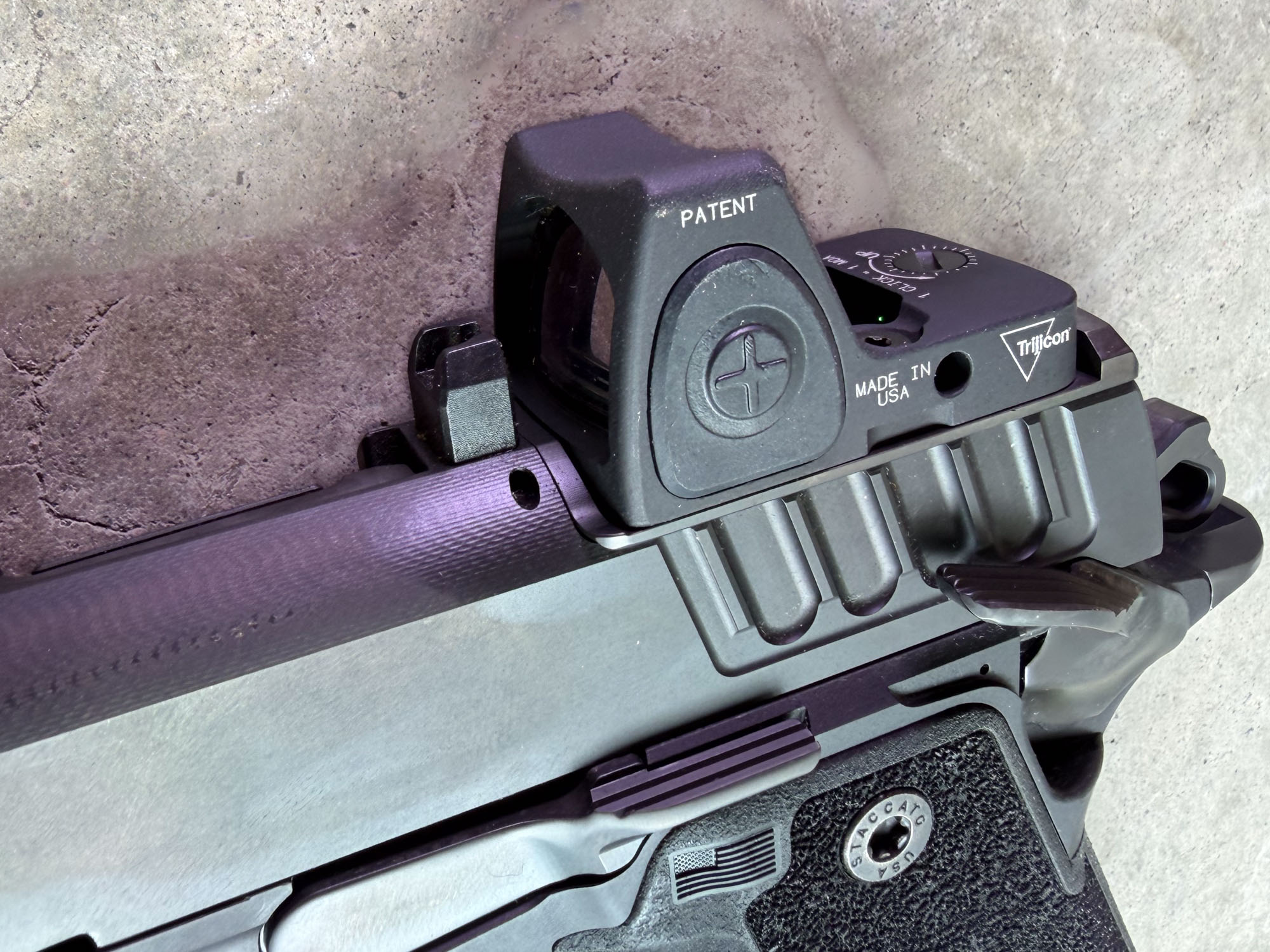
Both Systems Have Their Drawbacks Too
A gun snob might ding a stock striker-fired pistol for its rougher operation and less refined handling. For that person, there’s no substitute for the performance a finely tuned hammer-fired gun brings to the party.
A crisp, light trigger with a short reset can provide faster split times between shots. And tighter tolerances can make these guns more accurate. Both qualities can provide a greater degree of confidence in a gun that might be called on to save your life.
But there’s no denying that a pistol with an external safety is more complex to operate.
Drawing a pistol under stress already requires a lot of critical elements: establishing the grip, clearing the holster, correct placement of the support hand, acquiring the sights, and possibly activating a weapon light — all in a fraction of a second. Adding a manual safety introduces an additional task in that sequence.
This is why a lot of people shy away from carrying pistols with an external safety, particularly if they own multiple handguns with different manuals of arms.
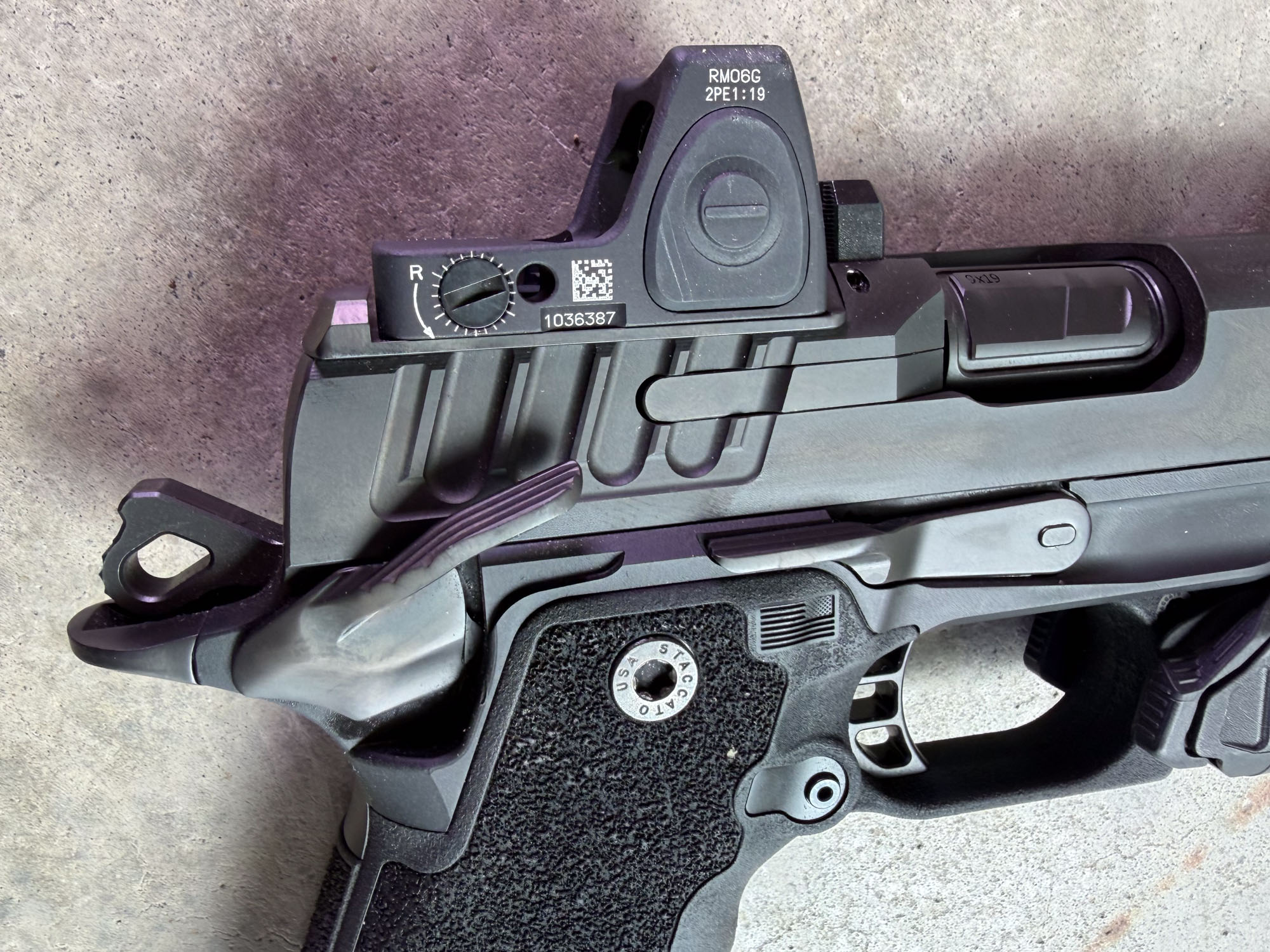
How Much of a Drawback Is An External Safety?
So that added layer of complexity is a big con for a gun with an external safety, right? Not so fast. Because the same feature that can slow you down slightly under stress may also slow down someone trying to use your gun against you.
Weapon Retention
Any type of defensive pistol training that’s worthwhile will discuss the issue of weapon retention.
There have been many instances where a pistol gets drawn and, before shots are fired, a struggle ensues over control of the gun. This can also happen when shots have been fired but the threat hasn’t been neutralized.
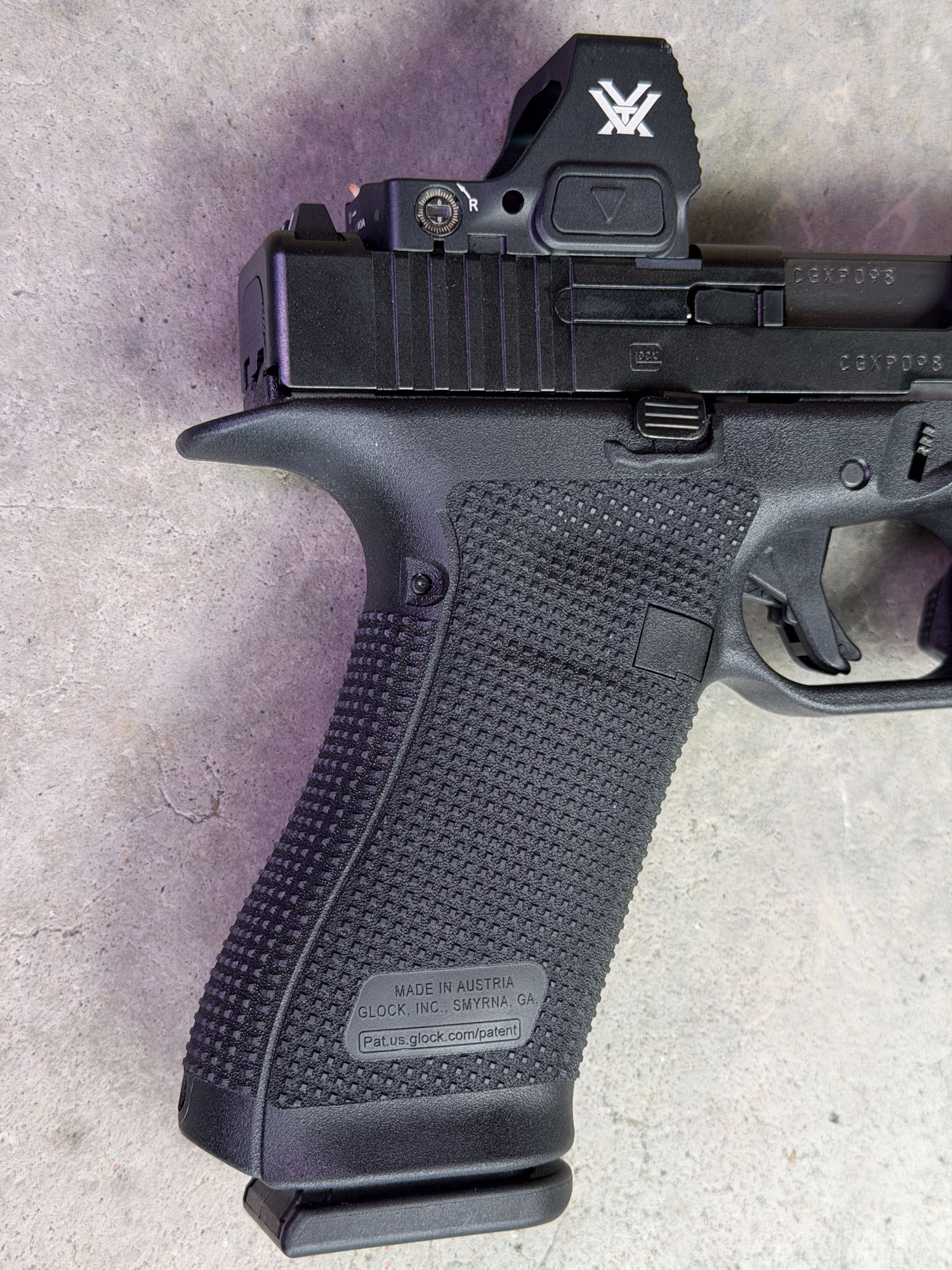
Should you lose your gun, and the bad guy takes it from you, the “liability” of the external safety can suddenly become a major advantage.
A study conducted in the early 1980s compared the ability of people with minimal or no firearms knowledge to pick up a gun and get off a shot. The participants were told they were grabbing a gun from a cop and trying to shoot him.
This predated the rise of Glocks and other striker-fired guns, so it compared double-action revolvers to a cocked-and-locked “Condition One” 1911.
In the case of the revolver, these unskilled shooters managed to get off a shot in an average of 1.2 seconds.
With the 1911s — where they had to fiddle around trying to figure out which buttons or levers to push — that average time jumped to more than 16 seconds.
That’s a huge difference with major implications for the potential outcome of such an incident.
In 16 seconds, you can do a lot to stop the threat, regain control of the gun, or simply create distance and escape.
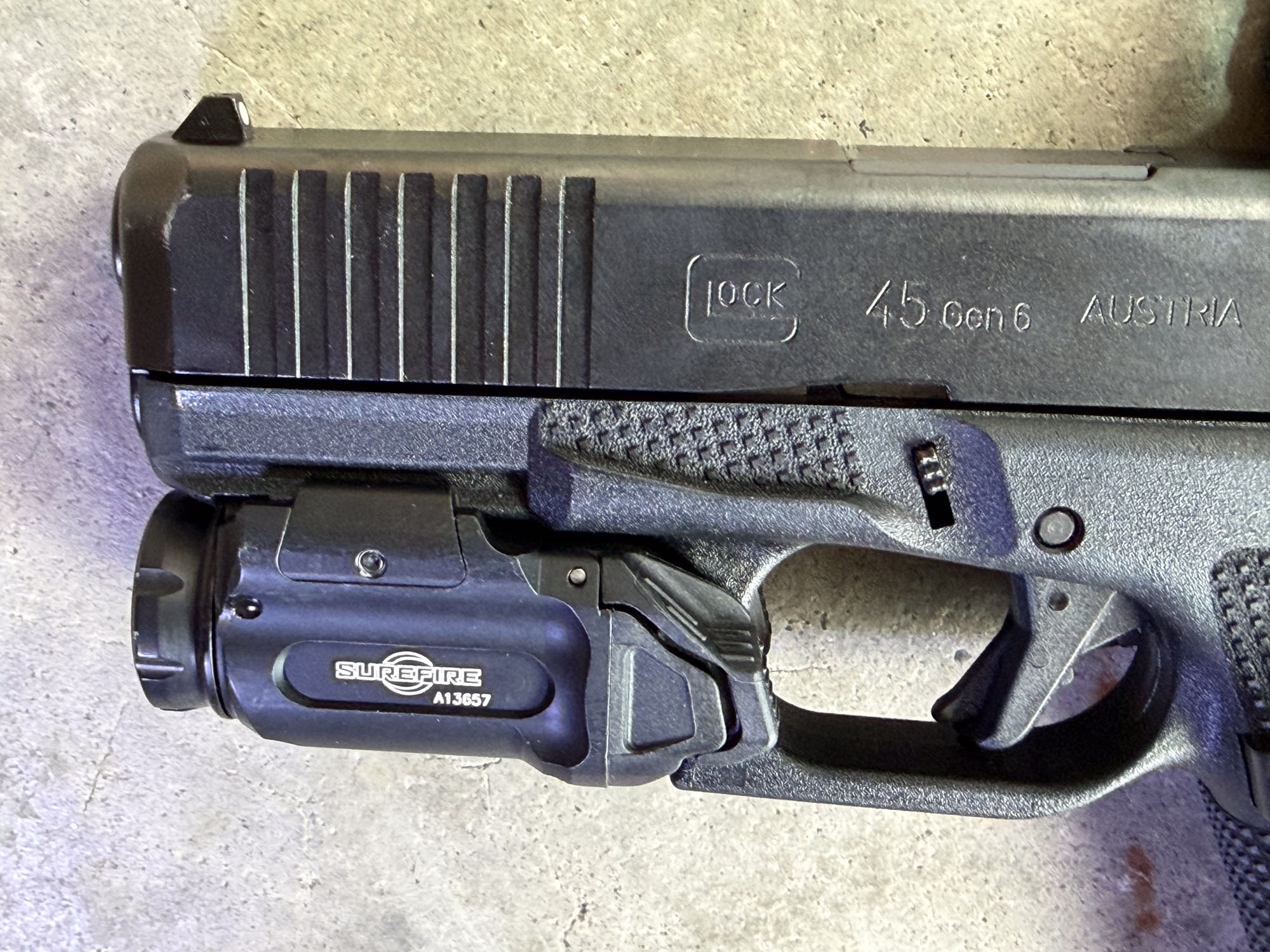
Manual Safeties Can Reduce Negligent Discharges
Another reason to consider a manual safety is to diminish the chance of a negligent discharge during high-stress gun handling, holstering, or reholstering.
A lot of accidents don’t happen during firing — they happen during reholstering, when clothing or gear, or a finger can enter the trigger guard. A manual safety gives additional control over the gun during that process.
External Safety or No?
So, are you better off with a pistol with an external safety, or without?
There isn’t a clear-cut answer, but there are some broad guidelines to consider.
If you’re looking at a gun with an external safety, make sure you spend some time with it in the store to get a feel for how easy it is to operate. If the safety is stiff, awkwardly positioned, or so small that it’s difficult to find and manipulate, that’s probably not a great choice.
Training Is Critical
You owe it to yourself to train with any gun you plan to carry, whether it has an external safety or not.
And if you put in the time, having an external safety isn’t going to be an impediment to using the pistol.
You build that muscle memory through dry-fire practice and live-fire range work, and you can become highly proficient with either system.
Carry Considerations
The final consideration is how easy the gun is to carry.
With deep concealment, less is often more, so you might prioritize a pistol that’s small, narrow, and doesn’t have extra controls protruding from the frame.
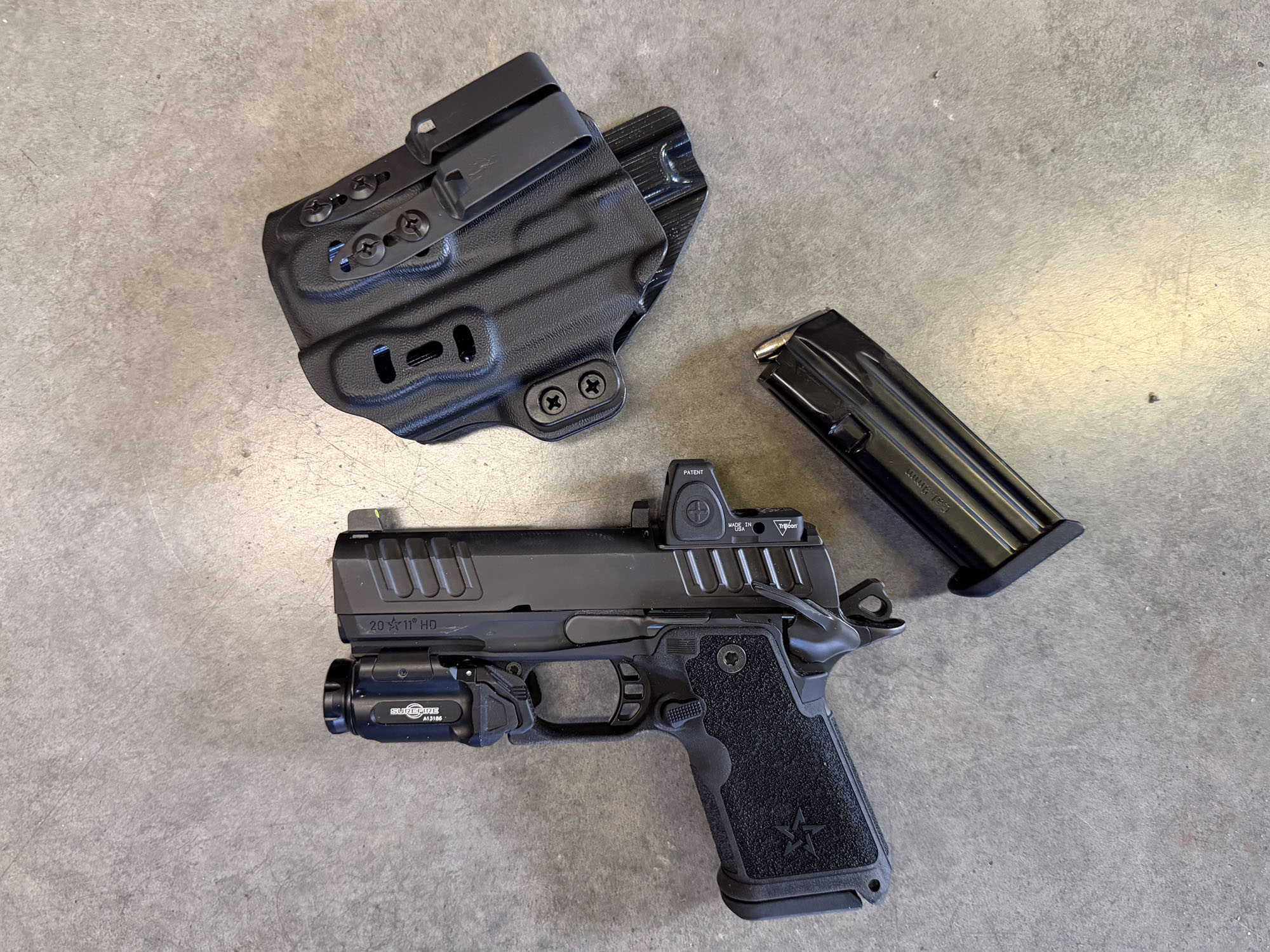
But with a good holster like the Tenicor Certum Lux 4 you can readily conceal a substantial pistol with a light and a red dot, even while wearing relatively light clothing.
I’ve been rocking one for my Staccato C3.6 and it is remarkably comfortable.
Key Defensive Pistol Accessories
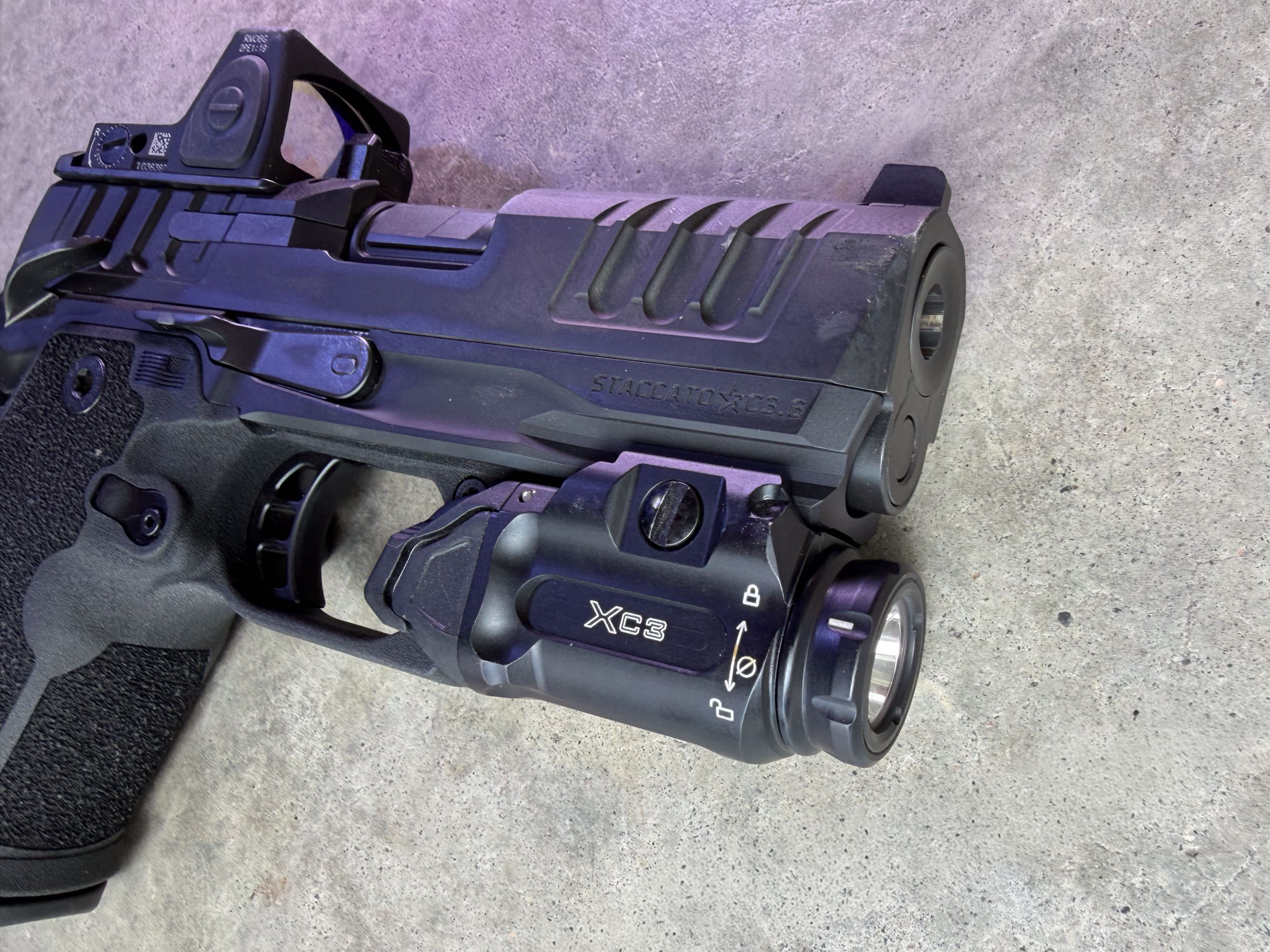
Personally, as my eyes have aged and that front sight has gotten fuzzier, I’ve gravitated toward reflex sights — either red dots or green dots.
I’m also a big proponent of mounting a light on a defensive handgun.
Bad things often happen in the dark and having a good weapon light on your pistol — like a Surefire XC3 — can make a huge difference.
As with an external safety, manipulating a weapon light requires practice and dedicated training, but the advantages are hard to ignore.
It not only helps you identify threats and improves situational awareness, but it can also serve as a powerful deterrent and give you a tactical advantage when the time comes.
Ultimately, the gun you have with you is much better than the one sitting back at the house.
But with quality gear, you can comfortably carry a more capable pistol while still effectively concealing it.
Read Next: We Range Test the New Glock Gen 6
Final Thoughts
Naturally, choosing a pistol with an external safety versus one without is a matter of personal preference. There’s no one right answer. But some of the accepted wisdom about the supposed shortcomings of a gun with an external safety don’t necessarily hold up under scrutiny.
In either case invest in quality gear, train, and then buy more ammo, and train some more.
Do that and you’ll be prepared no matter which path you choose.
Read the full article here

![Dem Congressman Attacks GOP as Fascists, Targets Trump at Charity Baseball Game [WATCH]](https://www.rvmnews.com/wp-content/uploads/2026/06/2026.06.11-11.21-rvmnews-6a2a9a3733a2e.jpg "Dem Congressman Attacks GOP as Fascists, Targets Trump at Charity Baseball Game [WATCH]")