


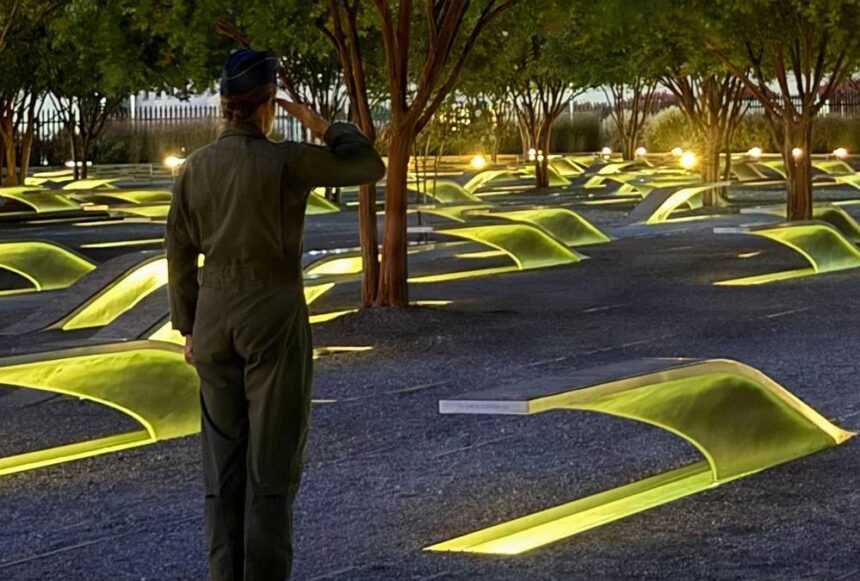

For Masako Murphy, one of the most important conversations after Sept. 11, 2001, began with something her son couldn’t tell her. He was angry at his father.
His father had been killed at the Pentagon, and he couldn’t understand why he hadn’t escaped after seeing the airplane coming. Murphy didn’t know her son was carrying that anger until one of his mentors at a grief camp told her.
“He never showed me anything like that,” Murphy recalled in an interview with Military.com.
The revelation gave mother and son a chance to talk about what had actually happened. His father couldn’t simply look out and see the aircraft approaching, she explained. There hadn’t been time to escape. The conversation helped both of them.
Twenty-five years after 9/11, Murphy and another Pentagon widow, Laurie Laychak, say moments like that help explain something difficult to see from the outside: A catastrophic loss doesn’t end when the funerals, memorials and anniversaries do. It becomes part of a family’s life.
For us, it’s not an annual event, Murphy said of 9/11. It’s every day.
‘I Feel Like I Live in a Fishbowl’
Murphy was raising her children in New Jersey when her husband, a Navy reservist, was killed while serving at the Pentagon.
She was also in the middle of her career.
In the immediate aftermath, she joined support groups with other 9/11 families and eventually connected with the Tragedy Assistance Program for Survivors, or TAPS, which supports families grieving the death of a military loved one.
Murphy remembers feeling profoundly isolated. Even when she was surrounded by neighbors and other families, her experience was unlike theirs. “I feel like I live in a fishbowl,” she recalled.
Inside grief groups, that changed. People could cry. They could laugh. They could admit anger, guilt, shame and other feelings they might be reluctant to share elsewhere. No one had to explain why.
“No one is criticizing me,” Murphy said of those spaces. “Whatever the feelings…we could share openly.”
The realization that she wasn’t alone became one of the most important lessons of her grief. There were people beside her experiencing similar losses. There were people who had survived such loss before her.
And eventually, she realized, there would be people who came after her.
Now this is my time to return what I received from TAPS, Murphy said.
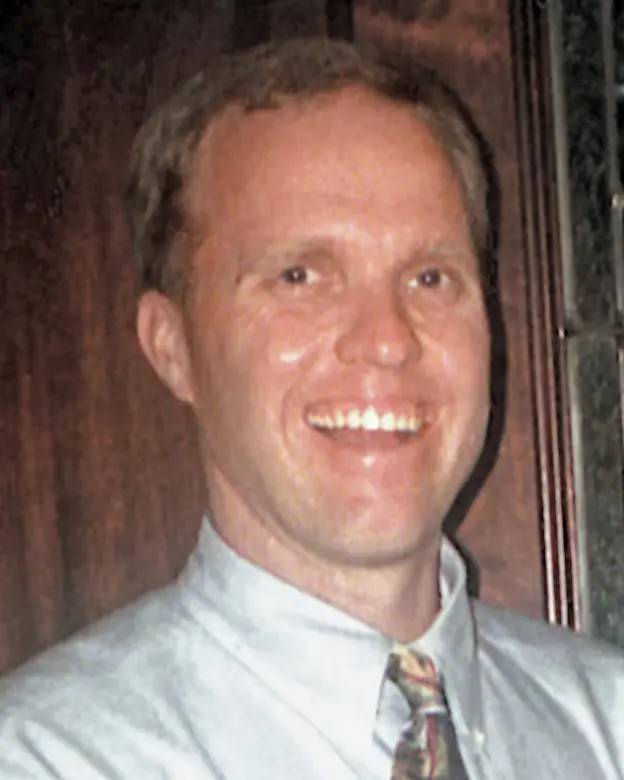
A Widow at 39
Laurie Laychak understands that transformation. Her husband, Dave, was a civilian budget analyst for the Department of the Army at the Pentagon.
The Pentagon was also where their story together had begun. They had met there as recent college graduates, working around the corner from each other. Eighteen years later, Dave was killed there.
Their son was 9. Their daughter was 7. Laychak had turned 39 the week of the attacks.
“I did not have any peers that were widows,” she told Military.com.
Friends and relatives surrounded her with love, but there was a limit to what people who hadn’t experienced the death of a spouse could understand.
At the Pentagon Family Assistance Center, she encountered TAPS.
She remembers a basket of rocks on its table. Words representing the emotions of fear, anger, sadness, and others had been written on them. The message resonated. There was simply too much to carry alone.
People who had experienced their own loss could help carry some of it.
From Receiving Help to Giving It
In 2001, the network available to military surviving families was much smaller than it is today.
Laychak found significant healing in a 9/11-specific support group organized in her community. As TAPS later developed its own local care groups, she wanted to participate. Eventually, she wasn’t attending as a newly grieving widow. She was helping others.
Laychak estimates she has personally mentored 40 to 50 people. For seven years, she facilitated a TAPS care group in Virginia. She watched people arrive in the earliest stages of grief and then change over months and years. Some eventually completed peer mentor training themselves.
“They will start to then turn around and give back to others,” Laychak said. “It’s really powerful to watch.”
The same cycle Murphy discovered was repeating itself: someone who once needed help eventually becoming the person who provides it.
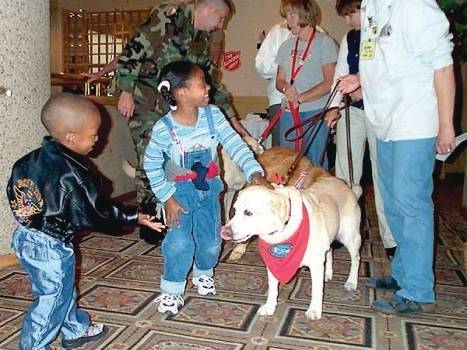
When Children Grieve Differently
For Murphy, the experience also demonstrated why children sometimes need someone other than a parent to talk to. Her son’s anger toward his father might have remained hidden without his mentor.
Her son apparently believed his father should have seen the plane and escaped. But telling his mother he was angry with his father, who was no longer there, may have felt impossible.
The mentor gave him somewhere else to put that emotion. Once Murphy knew about it, she could help him understand. The grief camp became a “lifeline,” she said. That experience stayed with her.
In recent years, Murphy has returned more deliberately to her own grief journey. She has spent time in Japan and has been working on a Japanese-language book because she believes grief care there remains underdeveloped.
Looking back, she is grateful she remained in the United States after the attack, despite suggestions that she return to Japan to be closer to family. The support she found here mattered. So did the realization that grief didn’t have to be carried privately.
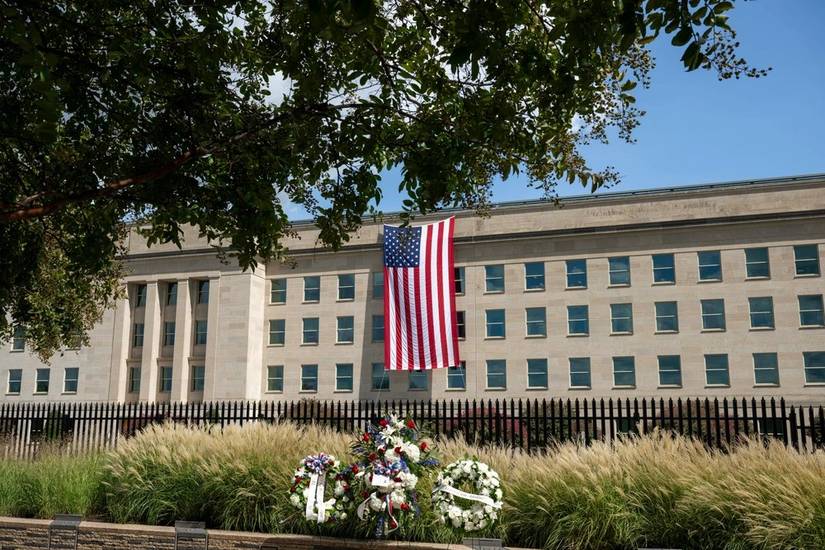
25 Years Later
The children who attended those early grief camps are adults now. The widows who arrived looking for help have decades of experience helping others.
Laychak has watched people she supported become mentors themselves. Murphy now talks about giving back what was once given to her. Neither describes that as leaving 9/11 behind. That isn’t how grief works.
The person who passed remains part of birthdays, graduations, family milestones and ordinary days that never make it onto a calendar of national remembrance.
For much of the country, Sept. 11 returns once a year. For families such as Murphy’s and Laychak’s, it never entirely leaves. But neither does the community that grew around them.
Murphy remembers attending an early TAPS gathering in 2002 when the group was small enough that she estimates fewer than 100 people were there. Today, its gatherings can number in the thousands.
She wishes there weren’t so many people who needed it. But she is grateful they have one another.
The lesson she learned after 9/11 remains the one she wants other grieving families to know 25 years later: “I’m not the only one.”






![Hillary Clinton Attacks Trump and Gets Obliterated by Her Own Record [WATCH]](https://www.lifezette.com/wp-content/uploads/2026/09/2026.09.28-12.56-lifezette-6aba63f83ab2b.jpg "Hillary Clinton Attacks Trump and Gets Obliterated by Her Own Record [WATCH]")