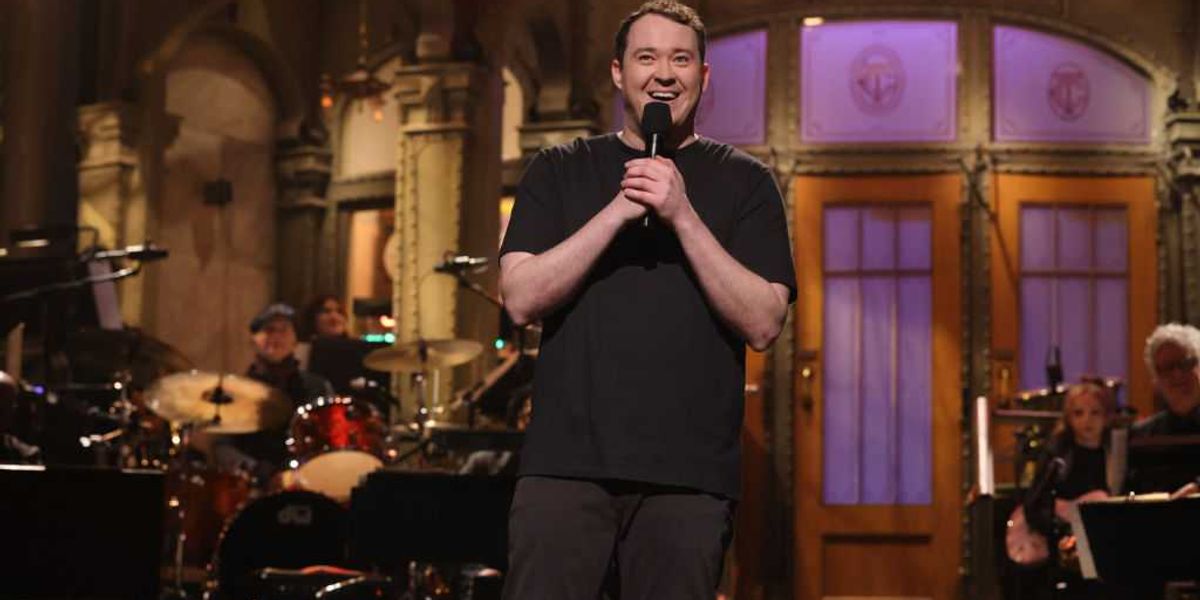

In July, Shane Gillis made comedy history, selling more than 77,000 tickets and setting records for the largest audience for a comedian and the most tickets sold for a solo stand-up act. The achievement put him past names like Kevin Hart, Steve Martin, and German stand-up Mario Barth.
It also came just seven years after cancel culture nearly killed his career.
Shane Gillis did not beat cancel culture by becoming less offensive. He beat it by becoming too successful to cancel.
In 2019, shortly after Comedy Central named him an “Up Next” comedian, Gillis landed the job every comic dreams about: a spot on “Saturday Night Live.” Then old clips surfaced of him doing a mock Asian accent and using a racial slur. Other clips featured supposedly unacceptable jokes about gay people. Within days, SNL fired him. Gillis later described the experience as painful enough to make it hard to “trust people … for a while.”
The timing was brutal. Gillis was fired during what we now recognize as peak woke, when careers could vanish because somebody with a Twitter account dug through 10 years of jokes and found the wrong sentence.
He was hardly alone. Sarah Silverman faced backlash over an old blackface bit. Dave Chappelle was attacked for mocking Michael Jackson’s accusers. Kevin Hart’s old tweets were dragged back into the spotlight. Suddenly the internet had discovered a tremendous new power: If enough people pretended to be offended at once, they could get somebody fired.
For a while, almost everyone played along.
That was always the secret of cancel culture. It was never a magical force. It was a consensual ideology. It worked because institutions submitted to it, employers feared it, and ordinary people convinced themselves that refusing to obey would make them the next target.
Words became temporarily unsayable. Leftists rewrote definitions and then declared that only certain people were allowed to use them. “Gone with the Wind” was pulled from streaming. James Gunn and Gina Carano lost jobs. People learned to keep their mouths shut because being called racist, sexist, or homophobic could cost them a career.
The woke mob did not win because everyone agreed with it. It won because too many people were afraid to laugh at it.
Now, two presidencies removed from peak woke, the whole thing looks much sillier. Plenty of celebrities once declared untouchable have returned to the mainstream. Land acknowledgments and pronoun rituals have become punch lines. “Culturally insensitive,” the kind of phrase that helped sink Gillis, sounds increasingly like a relic from a very stupid age.
So people post offensive jokes, recycle old podcast clips, and celebrate that “woke is dead.”
I would not start planning the funeral.
Cancel culture isn’t dead. It’s hiding.
Conservatives have every reason to feel confident right now. Republicans control Congress and the presidency. The administration has attacked “diversity, equity, and inclusion” throughout the federal government. The Supreme Court has handed down major victories protecting women’s sports. It can be tempting to believe the culture could never slide back to 2019.
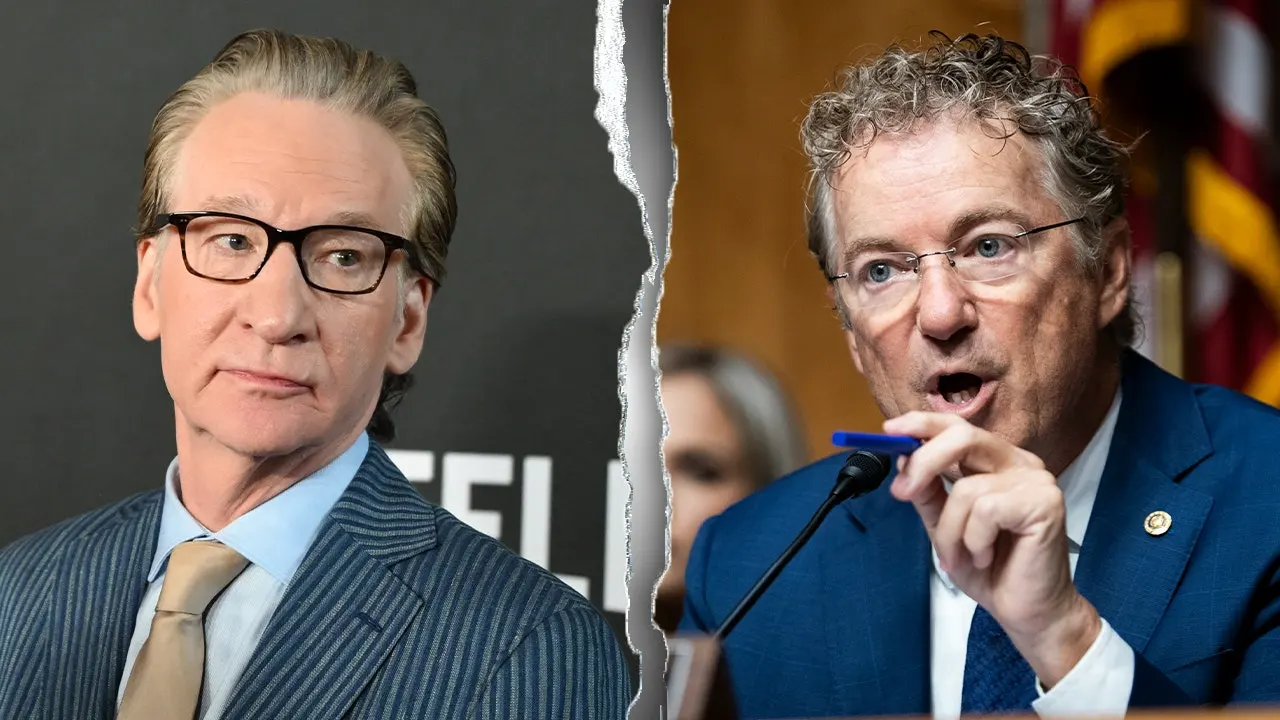
RELATED: BILL PILLED: Maher warns fellow Democrats that they’re headed for woke-tastrophe
Shannon Finney/WireImage/Getty Images
But Donald Trump was president in 2019 too.
The first and second Trump administrations are very different, but Trump’s presence by itself does not prevent a woke resurgence. Cultural power does not live only in Washington. It lives in entertainment, universities, corporations, HR departments, newsrooms, and the countless people who decide whether the mob gets rewarded for showing up.
Gillis’ comeback is encouraging precisely because he did not wait for those institutions to forgive him.
Podcasts gave him somewhere else to go. After SNL fired him, Gillis joked that he could just appear on Joe Rogan’s podcast and everything would be fine. And he was right. Audiences increasingly learned that independently produced shows could be funnier, more honest, and less filtered than legacy television.
That shift reached well beyond comedy. Podcasts became a major force in the 2024 election. Trump and JD Vance used long-form appearances to show voters their humor and personalities outside carefully managed television interviews. Kamala Harris’ refusal to sit down with Rogan only reinforced the contrast. In the peak-woke era, scripted liberal slogans might have been enough. By 2024, they sounded canned.
Comedy is often the canary in the coal mine because comedy requires tension, risk, and the possibility that somebody will be offended. A culture that cannot tolerate a joke will eventually struggle to tolerate an argument.
Gillis rebuilt his career, but comedians are still testing the limits. Jerry Seinfeld said the “extreme left has suppressed the art of comedy,” then later walked that back by saying culture moves and a comedian’s job is to adapt. David Spade criticized L.A. Mayor Karen Bass and California Gov. Gavin Newsom for “killing Hollywood” and took heat for it. Nate Bargatze was slammed simply for attending Trump’s UFC event at the White House.
RELATED: Colorado fire department employee FIRED over Snoop Dogg doll that ‘evoked’ history of ‘racial terror’
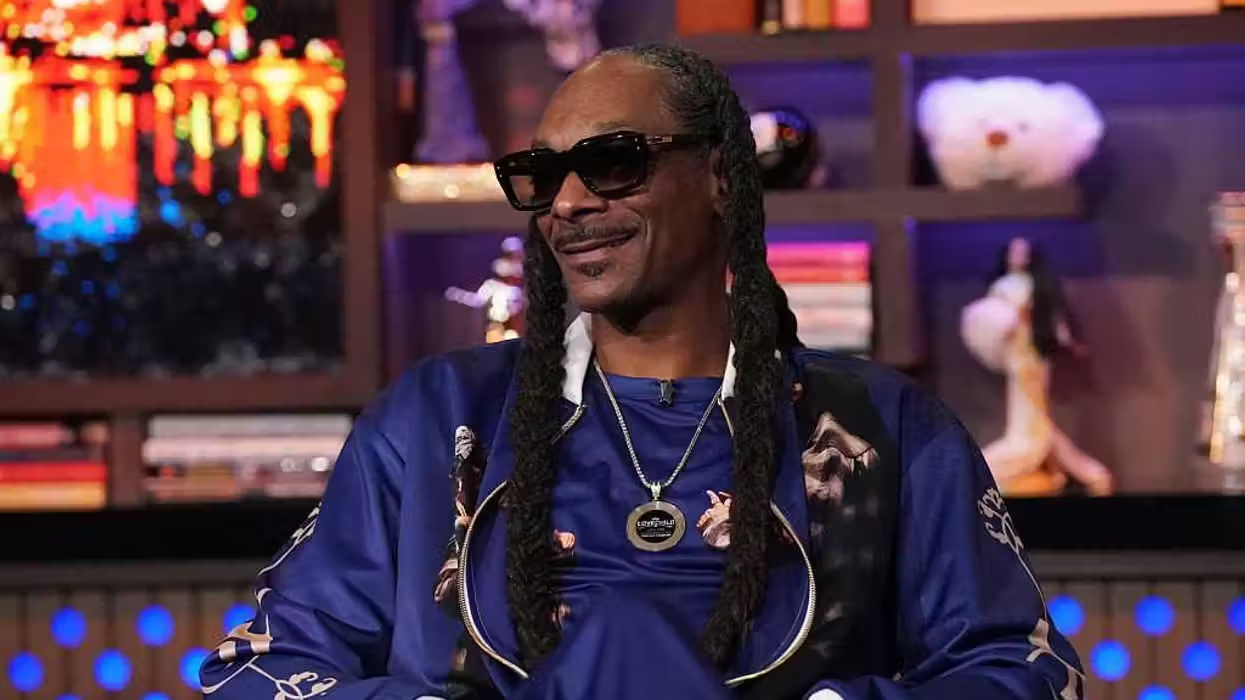 Heidi Gutman/Bravo/Getty Images
That is what hiding looks like. The old cultural reflex is still there, waiting for institutions to become afraid again.
Woke politics will not return because somebody waves a magic wand. It will return one concession at a time: one employee fired to stop a controversy, one joke declared beyond the pale, one institution deciding it is easier to surrender than tell an angry mob no.
That is why conservatives should resist the temptation to declare victory and go home. Free speech survives only when people keep using it. Comedy survives only when comedians keep telling the joke. Culture stays open only when institutions refuse to hand professional hecklers a veto.
The late, great Norm Macdonald understood this better than most. Early in his career, he joked: “People were beginning to talk about me, and that’s always good news. As Adolf Hitler once said, all publicity is good publicity.”
Shane Gillis did not beat cancel culture by becoming less offensive. He beat it by becoming too successful to cancel. That’s worth celebrating. It is not a reason to stop paying attention.
Read the full article here


![Sophie Cunningham Exposes the Absurd Fury Over Sydney Sweeney’s Viral New Ad [WATCH]](https://www.boredtrashpanda.com/wp-content/uploads/2026/09/2026.09.18-13.22-boredtrashpanda-6aad3afea90cd.jpg "Sophie Cunningham Exposes the Absurd Fury Over Sydney Sweeney’s Viral New Ad [WATCH]")