
Summary and Key Points: SR-71 pilot David Peters took off from Kadena Air Base in Okinawa at 1000 on a Saturday morning. He flew a pass through the Korean DMZ, refueled over the Sea of Japan, ran north past the Sea of Okhotsk and Kamchatka, took fuel again off Adak in the Aleutians, and landed at Beale Air Force Base in California. After de-suiting, debriefing, and handing in the classified flight documents, he walked into the officers’ club at 1630 on Friday afternoon. He had crossed the International Date Line at better than Mach 3, and by the clock he had arrived seventeen and a half hours before he left.
History Lesson: How the SR-71 Flew “Back in Time” from Japan to California
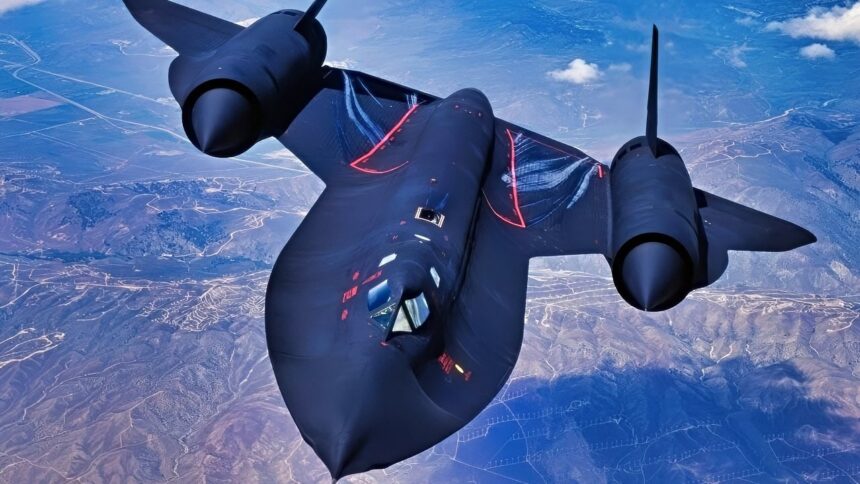
SR-71 from 19FortyFive.com original picture archive. Image taken at the Smithsonian.
The SR-71 Blackbird was incredible.
The Blackbird was conceptualized as a high-speed spy aircraft that could peer down at any location in the globe within hours of receiving the order.
The SR-71 could sprint at speeds past Mach 3, or three times the speed of sound, at altitudes of 85,000 feet.
It was active during the Cold War and enjoyed a brief renaissance after. Remarkably, the SR-71 was never shot down—thanks to its blisteringly high speed.
The twin-engined jet made use of titanium alloys purchased from the Soviet Union via shell companies. Manufacturing with these materials was tricky, but necessary for heat management.
“With anticipated temperatures on the aircraft’s leading edges exceeding 1,000 degrees Fahrenheit, dealing with the heat raised a host of seemingly insurmountable design and material challenges. Titanium alloy was the only option for the airframe —providing the strength of stainless steel, a relatively light weight, and durability at the excessive temperatures,” Lockheed Martin explains.
But the alloy “proved to be a particularly sensitive material from which to build an airplane. The brittle alloy shattered if mishandled, which meant great frustration on the Skunk Works assembly line, and new training classes for Lockheed’s machinists. Conventional cadmium-plated steel tools, it was soon learned, embrittled the titanium on contact; so new tools were designed and fabricated—out of titanium.”
Pure Speed
One anecdote from a former SR-71 pilot offers some insight into the SR-71’s high-speed capabilities. While stationed at Kadena Air Force Base in Okinawa, pilot David Peters went out for Friday-evening happy-hour drinks before a scheduled flight back to the United States the next day.
“We got up Saturday morning and got ready to go home. Departure was scheduled for 1000,” Peters explained. “Everything went well and we departed right on time. Headed out to do a pass through the Korean DMZ then into the tankers in the Sea of Japan. Good refueling and climb out headed for the Sea of Okhotsk and the Kamchatka peninsula of Russia and from there to more tankers off of Adak in the Aleutian Islands.”
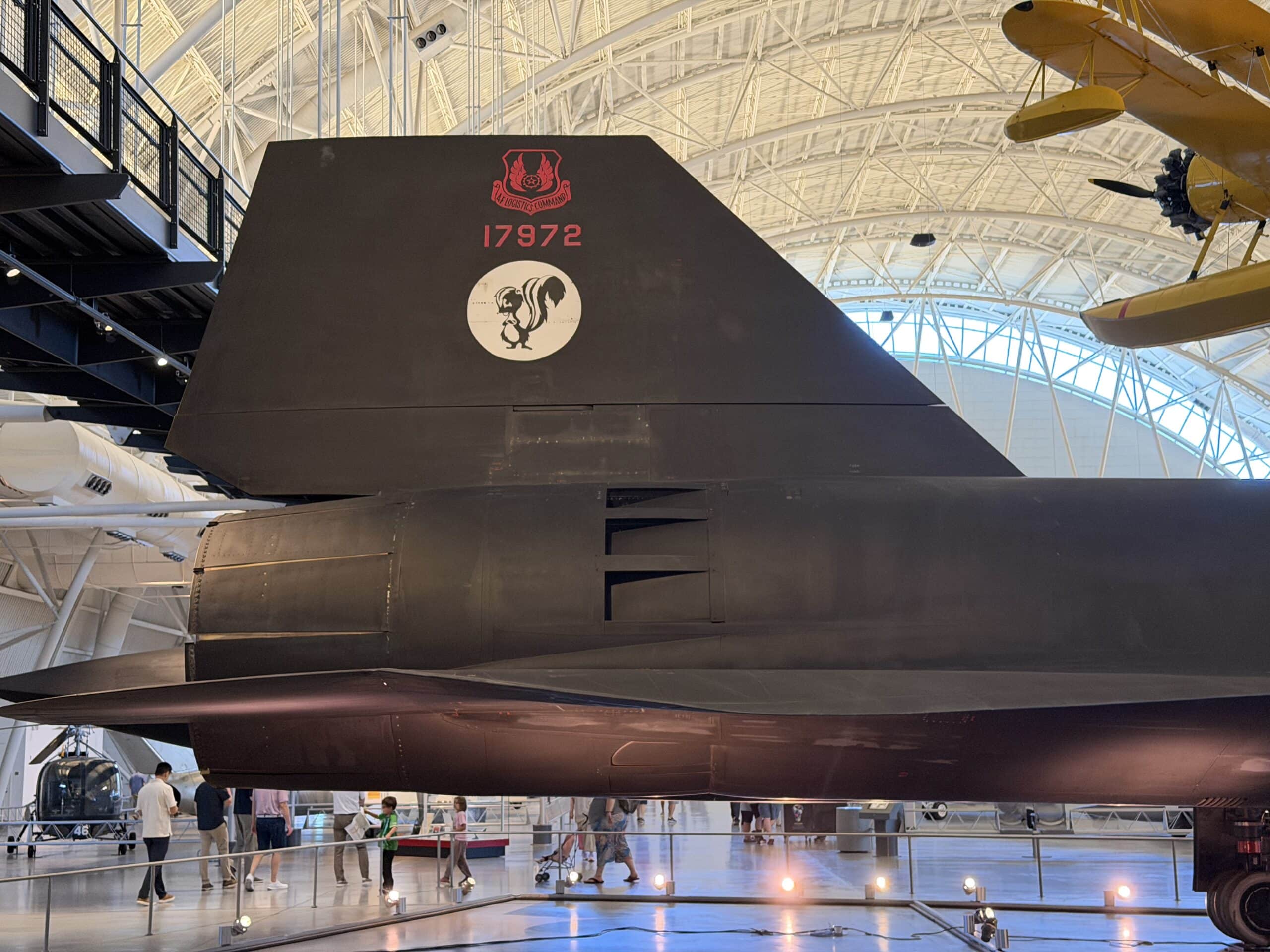
SR-71 Blackbird at the Smithsonian. 19FortyFive Image taken by Christian D. Orr.

SR-71 Blackbird. Image taken at the Smithsonian on 6/30/2026 by 19FortyFive
“Another good refueling and on to Beale AFB California. We arrived with a low approach pulled up into a closed pattern and landed. Following de-suiting and debrief we deposited our classified flight documents jumped in a car and arrived at the officers club for Friday night happy hour at 1630 17 1/2 hours before we left Kadena.
“Try that in any aircraft other than the SR-71,” Peters added. “Besides, this is actually a true story.”
As the Blackbird’s impressive statistics might indicate, this aircraft was not cheap. During the Cold War, the jet’s costs were relatively easy to justify. But with that era over, the United States enjoyed pole position as a peerless global superpower, and the jet’s operating costs were out of step with defense-budget drawdowns.
The jet was originally manufactured in the mid-1960s, and its airframe had to withstand significant stress during missions. In order to keep the Blackbird airworthy, deep maintenance on the SR-71’s skin and components was needed after each flight.
The political environment also soured on the Blackbird. Toward the end of the Cold War, the U.S. Air Force started to grumble that the SR-71 was sucking funding away from defense dollars that should be directed toward the U-2 spy plane or spy satellites.
Senior Air Force staff, however, found themselves at odds with Congress, which reactivated a portion of the SR-71 fleet in the mid-1990s.
Off into the Sunset for the SR-71 Blackbird
Despite the Blackbird’s capabilities, the program ultimately was canceled. This was both because of the SR-71’s limitations and the increasing sophistication of other assets.
If generals or policymakers needed a high-resolution image of a hotspot anywhere on the globe, particularly time-sensitive images, there was no equal to the SR-71. But for less pressing intelligence questions, the SR-71 was an expensive bird to keep aloft.

SR-71 Blackbird. Image Credit 19FortyFive.com Photo Archive/This Is An Original Photos.
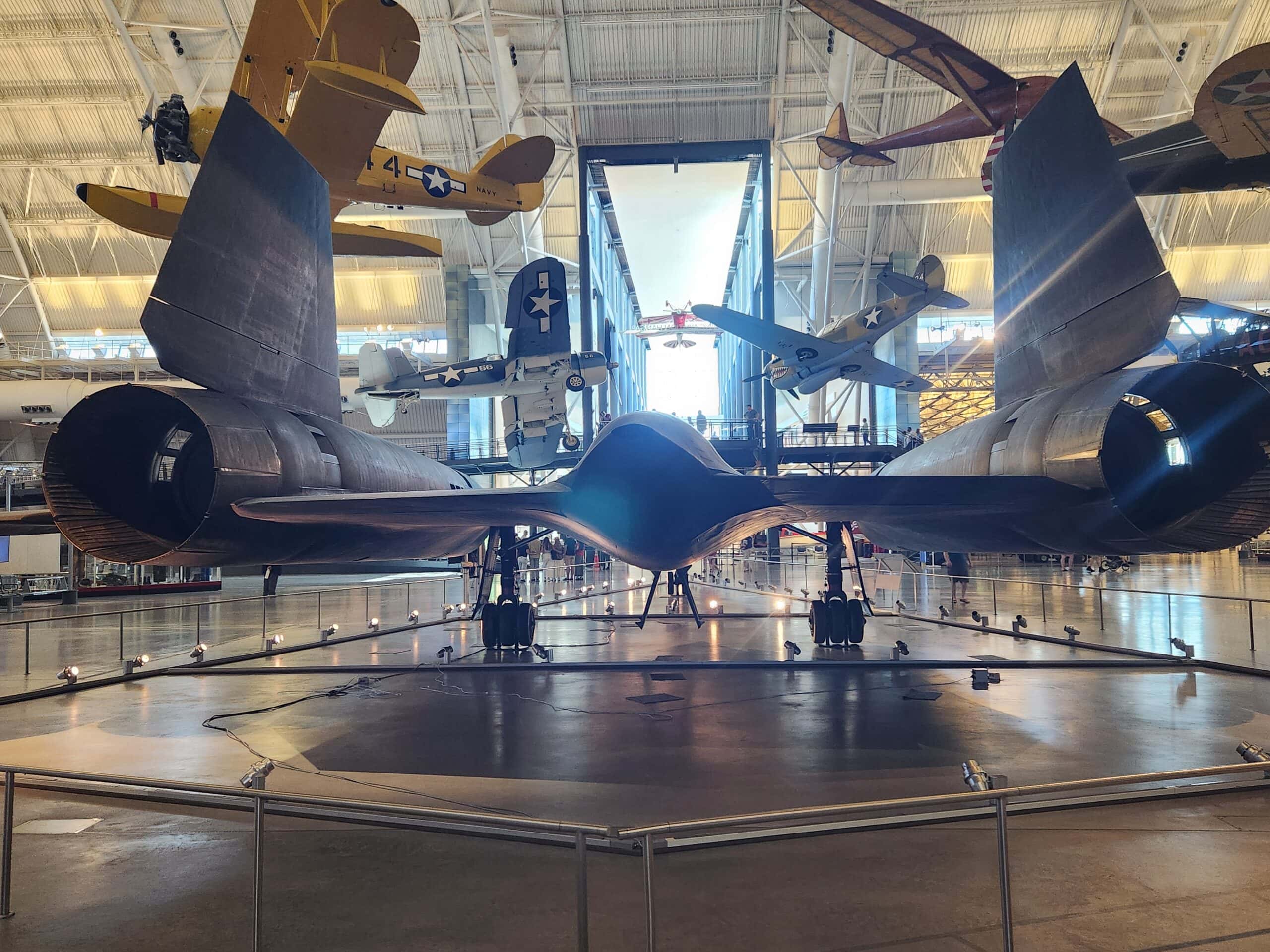
SR-71 from 19FortyFive.com original picture archive. Image taken at the Smithsonian.
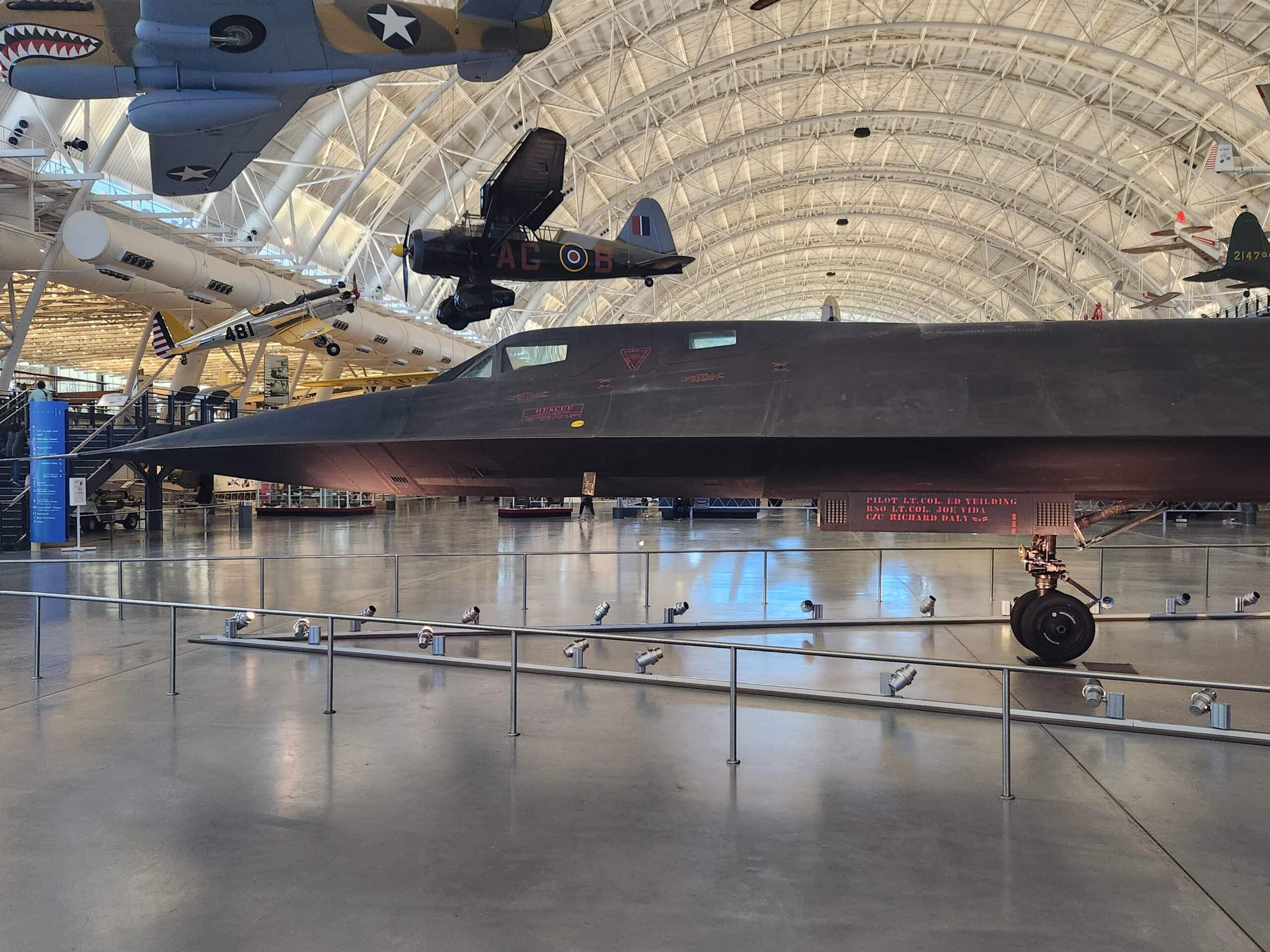
SR-71 from 19FortyFive.com original picture archive. Image taken at the Smithsonian.
This reality dovetailed with the options offered by spy satellites. Those bricks in the sky could remain aloft for months and eventually years, offering persistent imaging capability. And as the cloud of spy satellites expanded, the Blackbird became an anachronism.
The SR-71 was not retired because it didn’t perform well.
Rather, an evolving threat environment, new satellite technology, and the Blackbird’s high operating costs all coalesced to force the SR-71 out of service. But after it left, a gap appeared in intelligence gathering.
Stripped of the Blackbird’s high-speed, quick-response photography, the United States depends instead on the aforementioned satellite assets. Those, however, follow predictable orbits and cannot adjust to provide coverage of new areas. Thus, many await a hypothetical successor to the SR-71: the SR-72 Son of Blackbird.
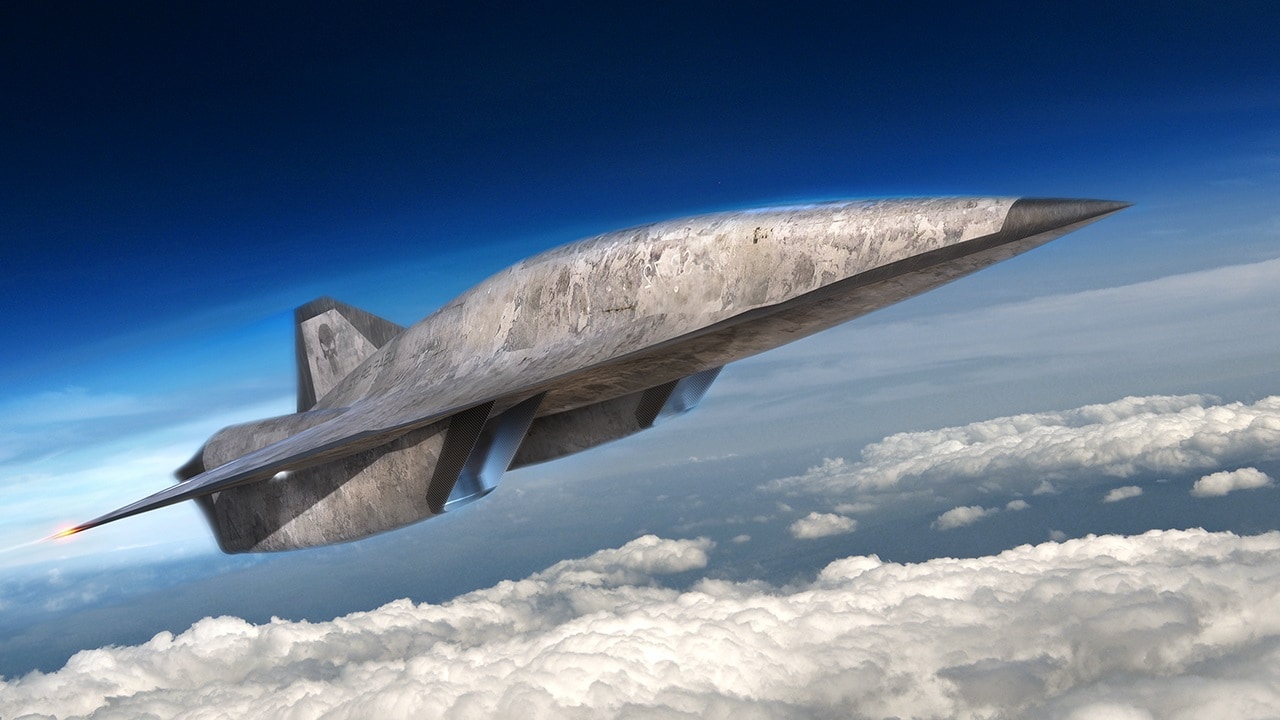
SR-72 artist rendering. Image Credit: Creative Commons.
About the Author: Caleb Larson
Caleb Larson is an American multiformat journalist based in Berlin, Germany. His work covers the intersection of conflict and society, focusing on American foreign policy and European security. He has reported from Germany, Russia, and the United States. Most recently, he covered the war in Ukraine, reporting extensively on the war’s shifting battle lines from Donbas and writing on the war’s civilian and humanitarian toll. Previously, he worked as a Defense Reporter for POLITICO Europe. You can follow his latest work on X.