

The Department of Veterans Affairs (VA) is adjusting its guidance on prescribing psychotropic medications.
The VA announced Monday that it would put in place guidance on informed consent which it said would increase transparency for veterans before they receive psychotropic medications, which include antipsychotics, stimulants, antidepressants, anxioloyctics and opioids.
Psychotropic medications are prescription drugs that affect chemical levels in the brain to change a person’s mood, thoughts, behavior, or perception. Medics use them to treat mental health conditions like depression, anxiety, and bipolar disorder.
“America’s veterans should get as much information as possible as they are deciding what treatment is best for them,” said VA Secretary Doug Collins. “The guidance we’re announcing today will ensure that happens.”
Veteran Options Widely Expand
Nearly half of the 9 million veterans enrolled in VA healthcare are prescribed psychotropic medications, with roughly 80% of those diagnosed with PTSD receiving psychiatric drugs.
VA practitioners currently discuss risks, side effects, benefits and alternatives to psychotropic medications.
But the VA said it would now implement additional educational measures and will now require patient education and signature consent prior to any concurrent prescription of opioids and benzodiazepines, and prior to prescribing an antidepressant to a veteran younger than 30.
The department also said it would require standardized patient education for veterans who are prescribed psychotropic medications, including those that only require oral consent and documented informed consent discussions about risks, side effects, benefits, alternatives, and how to safely discontinue the medication—including for psychotropic medications that only require oral consent.
Options for Veterans Widely Expand
High discontinuation rates and the limitations of traditional pharmaceuticals have left a critical treatment gap.
This has driven a major shift toward psychedelic-assisted therapies as the latest breakthrough option.
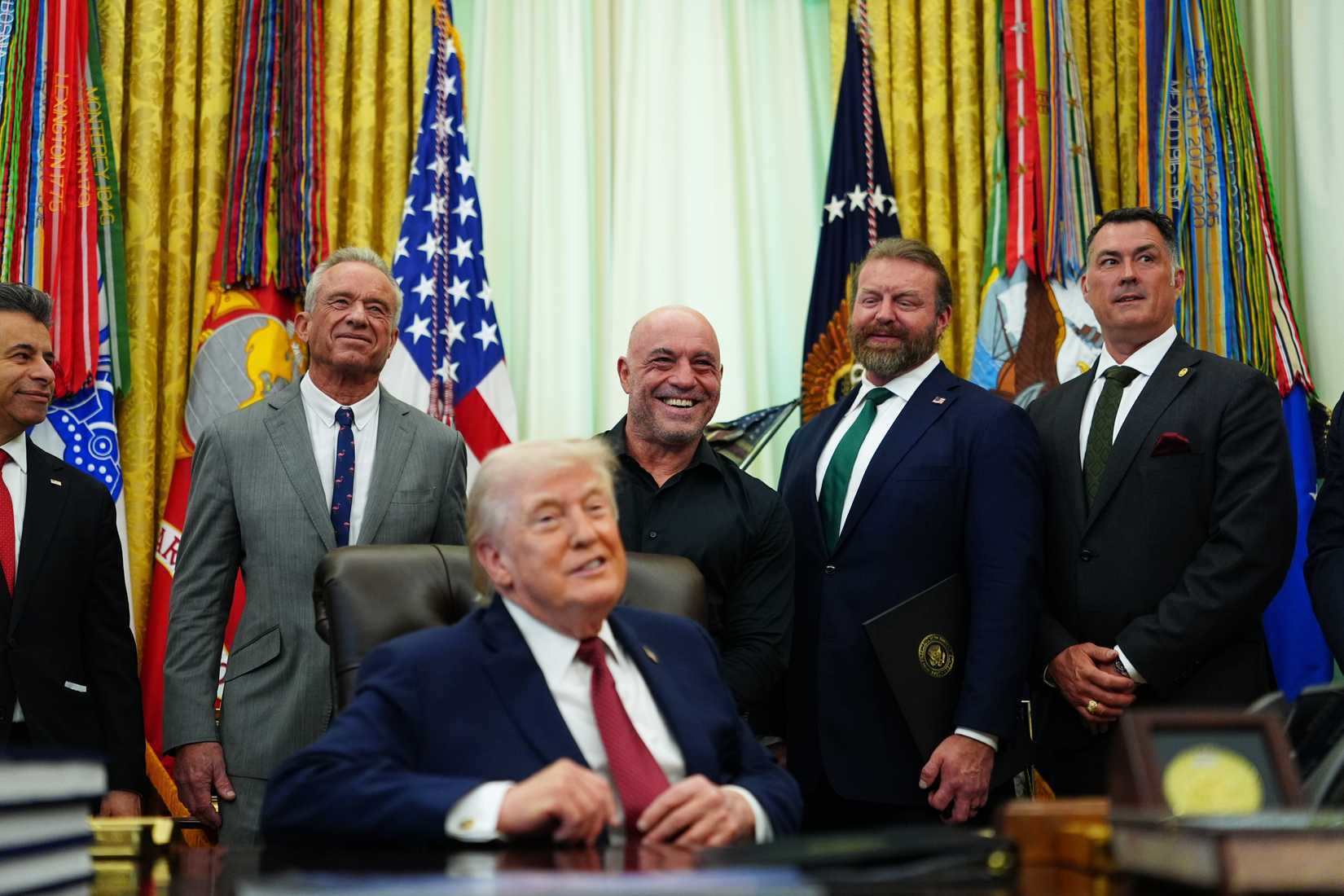
The VA is now funding clinical trials for MDMA and psilocybin—the main ingredient in magic mushrooms which is currently authorized for treatment-resistant depression in Australia, while Switzerland also allows it in limited contexts.
President Donald Trump issued an executive order in April, calling on the U.S. Food and Drug Administration (FDA) to facilitate access to psychedelic drugs, including ibogaine compounds, psilocybin, ketamine, LSD and MDMA, for eligible patients suffering from major depressive disorder and substance abuse disorders.
The order directed federal agencies to fast-track psychedelic therapy research, allocating roughly $50 million through ARPA-H for state programs.
Overall, the VA is involved in 20 active clinical trials in which they are testing psychedelic therapies for mental health conditions.

![Tom Homan Issues Scorching Warning to Illegals as Caravan Marches Toward US Border [WATCH]](https://www.rvmnews.com/wp-content/uploads/2026/05/2026.05.23-10.45-rvmnews-6a11854f8bbb0.jpg "Tom Homan Issues Scorching Warning to Illegals as Caravan Marches Toward US Border [WATCH]")

![Royce White Goes Off on ‘Soft Men’ [WATCH]](https://www.rvmnews.com/wp-content/uploads/2026/09/2026.09.29-09.07-rvmnews-6abb7fcb007e0.jpg "Royce White Goes Off on ‘Soft Men’ [WATCH]")