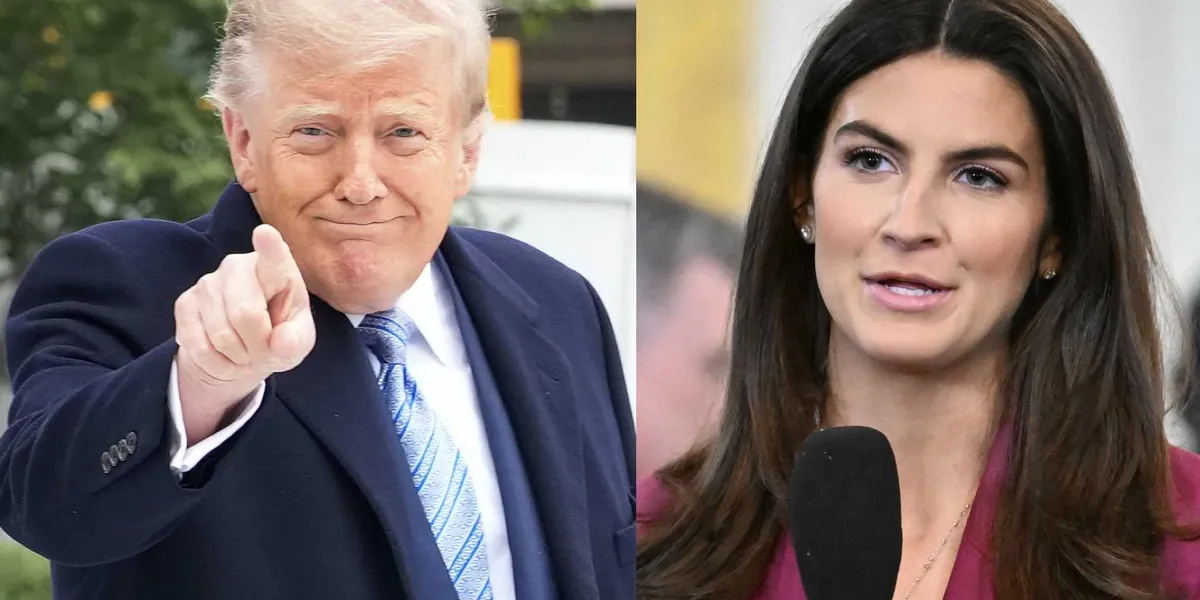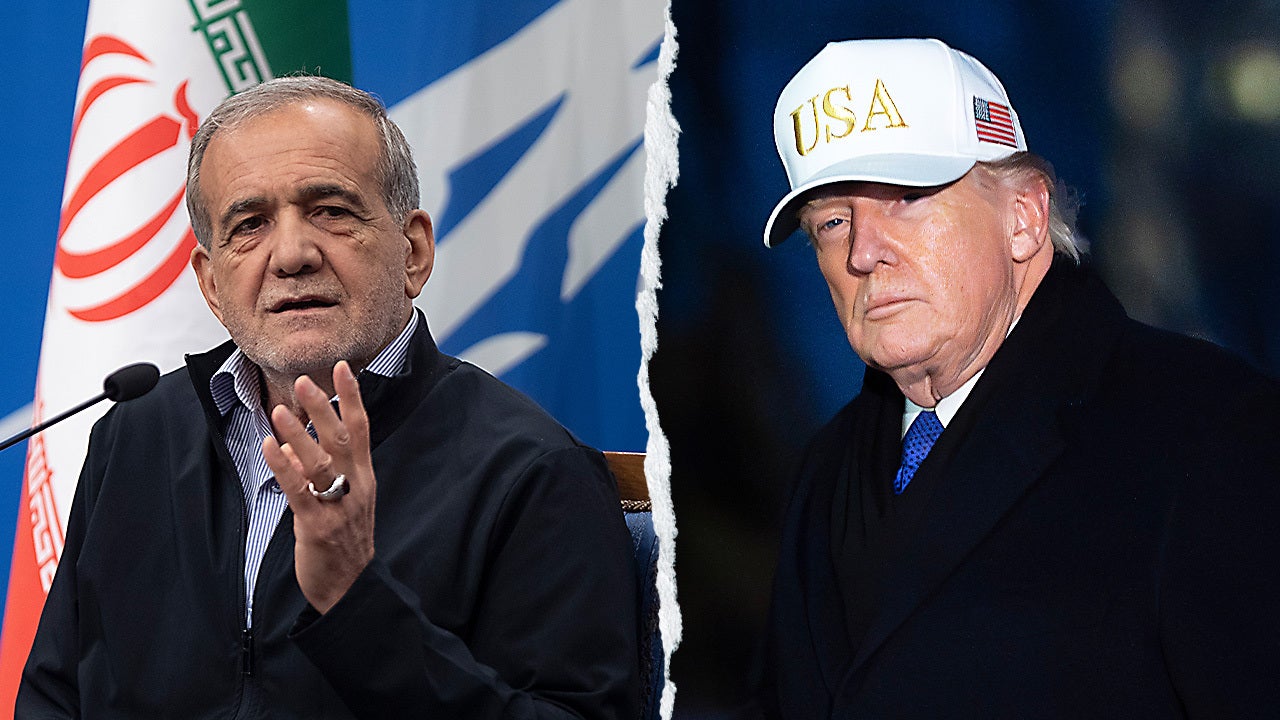
![Is Cuba’s Communist Regime Finally on the Chopping Block? [WATCH]](https://www.lifezette.com/wp-content/uploads/2026/04/2026.04.21-12.21-lifezette-69e76bdf51a34.jpg "Is Cuba’s Communist Regime Finally on the Chopping Block? [WATCH]")

Cuba’s government confirmed Monday that it recently held talks with U.S. officials on the island, marking a rare diplomatic engagement as tensions remain elevated over the U.S. energy blockade targeting the Caribbean nation.
A State Department official told NBC News that a senior U.S. delegation traveled to Cuba last week for meetings with government officials as part of ongoing diplomatic negotiations overseen by U.S. Secretary of State Marco Rubio.
The visit marked the first time a U.S. government aircraft has landed in Cuba since 2016.
According to the official, the U.S. delegation used the meeting to deliver a message about the state of Cuba’s economy and the urgency of potential reforms.
Here’s What They’re Not Telling You About Your Retirement
The official said the delegation told Cuban counterparts that the country’s economy is in free fall and that the “island’s ruling elites have a small window to make key U.S. backed reforms before circumstances irreversibly worsen.”
Cuban officials also provided details about the talks. Alejandro García del Toro, deputy director general in charge of U.S. affairs at Cuba’s Ministry of Foreign Affairs, said the American delegation included assistant secretaries of state, while the Cuban side was represented by officials at the level of deputy foreign minister.
García del Toro described the discussions as constructive, stating they were conducted “respectfully and professionally.”
This Could Be the Most Important Video Gun Owners Watch All Year
He also said the U.S. delegation did not present threats or impose deadlines during the exchange, countering reports that had circulated in some U.S. media outlets.
Cuba’s delegation focused heavily on the issue of U.S. sanctions, particularly the energy embargo. García del Toro said lifting the restrictions was a top priority during the talks.
“The elimination of the energy embargo against the country was a top priority for our delegation,” he said.
“This act of economic coercion is an unjustified punishment of the entire Cuban population.”
He also criticized the broader impact of the sanctions, adding, “It is also a form of global blackmail against sovereign states, which have every right to export fuel to Cuba, under the rules that govern free trade.”
U.S. officials have tied any potential easing of sanctions to a series of conditions, including ending political repression, releasing political prisoners, and implementing economic reforms aimed at liberalizing Cuba’s struggling economy.
The meeting comes amid escalating tensions between the two countries, particularly over energy supplies.
In late January, President Donald Trump threatened to impose tariffs on any country that sells or supplies oil to Cuba as part of efforts to tighten economic pressure on the island.
President Trump has also warned of possible intervention in Cuba, prompting a response from Cuban President Miguel Díaz-Canel. Díaz-Canel said last week that Cuba is prepared to defend itself if such action were taken.
The talks represent a rare instance of direct engagement at a senior level between the two governments, even as broader disagreements over economic policy, sanctions, and political conditions continue to shape relations.
While both sides characterized the recent meeting as professional, the gap between their positions remains clear.
The United States is pushing for internal reforms tied to any sanctions relief, while Cuban officials continue to call for an end to the energy embargo as a central issue in the negotiations.
Warning: Account balances and purchasing power no longer tell the same story. Know in 2 minutes if your retirement is working for you.
Read the full article here



![Obama’s Biggest Promise Turned into His Biggest Lie: Dan Bongino [WATCH]](https://www.rvmnews.com/wp-content/uploads/2026/09/2026.09.24-08.38-rvmnews-6ab4e16809a48.jpg "Obama’s Biggest Promise Turned into His Biggest Lie: Dan Bongino [WATCH]")
![Sinister Russian Network Busted in Secret Service Infiltration Plot Using American Tech CEO [WATCH]](https://www.rvmnews.com/wp-content/uploads/2026/09/2026.09.24-07.33-rvmnews-6ab4d23d320ee.jpg "Sinister Russian Network Busted in Secret Service Infiltration Plot Using American Tech CEO [WATCH]")