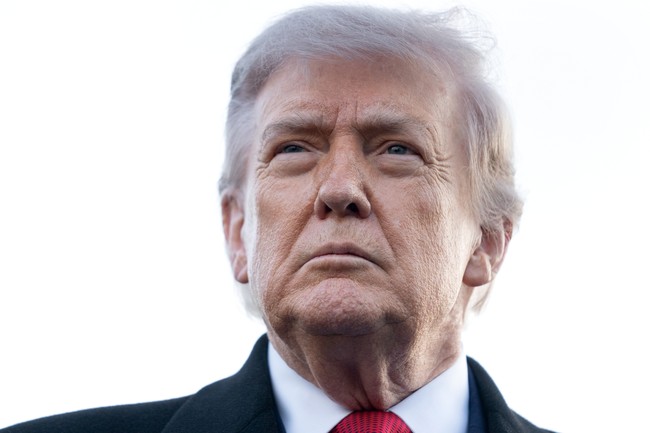
![Kash Patel Details How the FBI Stopped Four Suspected Terror Attacks Recently [WATCH]](https://www.rvmnews.com/wp-content/uploads/2025/12/2025.12.28-01.41-rvmnews-695133a1cd333.jpg "Kash Patel Details How the FBI Stopped Four Suspected Terror Attacks Recently [WATCH]")

FBI Director Kash Patel has revealed that federal agents successfully disrupted four major terrorist plots during the holiday season, marking a series of silent victories for the nation’s top law enforcement agency, as reported by Fox News.
Speaking on Sean Hannity’s podcast, Patel warned that while the victories are significant, the looming threat of another 9/11-style attack remains his constant concern.
Patel described the intense pressure that comes with defending the homeland, noting that the bureau’s mission to protect every American “keeps him up at night.”
The FBI, according to Patel, is operating on high alert year-round, particularly now as terror groups around the world adapt and evolve in the digital age.
Here’s What They’re Not Telling You About Your Retirement
During his discussion with Hannity, Patel detailed how the bureau prevented what could have been catastrophic attacks planned for December alone.
“We stopped four terrorist attacks in four weeks during the holidays,” he said.
“Everything from the ‘Pumpkin Day’ plot all the way through the attacks that were going to happen in Texas, Florida, and New York, and we stopped them all.”
The FBI stopped a massacre before it could happen.
Two Michigan men planned an ISIS-inspired Halloween terror attack near Detroit- stockpiling weapons, scouting targets, and training at gun ranges.This FBI acted fast, followed the evidence, and likely saved countless lives. pic.twitter.com/IHYga46Ynt— FBI Director Kash Patel (@FBIDirectorKash) November 3, 2025
The so-called “Pumpkin Day” plot was an ISIS-inspired plan that involved two Michigan men allegedly plotting a mass shooting in a Detroit suburb.
This Could Be the Most Important Video Gun Owners Watch All Year
The conspirators reportedly used the codename “pumpkin” to disguise their communications, a chilling reminder of the strange yet disturbing ways terrorists attempt to evade detection.
Patel didn’t name specific groups behind the other foiled plots, but he did confirm that the FBI also disrupted attacks aimed at major metropolitan areas in Texas, Florida, and New York.
Federal officials had previously confirmed that one of those thwarted efforts involved a North Carolina man who intended to use knives and hammers in a New Year’s Eve attack.
“The pressure of safeguarding America is real,” Patel said.
“We’re doing everything we can to not miss anything, because we know missing something even once could cost lives.”
His comments highlight the immense responsibility on federal agents’ shoulders at a time when global threats and domestic radicalization are both on the rise.
Patel warned that the potential for a large-scale tragedy similar to the terrorist attacks of September 11, 2001, has not disappeared.
“We are always on the watch,” he said. He added that after the disastrous U.S. withdrawal from Afghanistan, terror networks saw new opportunities to regenerate. “The thing about terrorists is they’re exceedingly patient,” Patel cautioned.
According to Patel, the key to staying ahead involves not just old-fashioned fieldwork, but also cutting-edge technology. He credited the Trump administration for modernizing the FBI’s tools, particularly with regard to artificial intelligence.
“AI was never used at the FBI until we got there. I’m using it everywhere,” Patel said, pointing to its value in sifting through massive data sets and criminal justice databases to identify threats faster.
He emphasized that AI now plays a major role in analyzing the flood of tips pouring into the FBI from across the country. “Can you imagine how many tips the FBI gets a week? Thousands,” Patel explained.
“If we had just humans look at it, we would never sift through them all.” The integration of AI has proven crucial, Patel said, even preventing a potential school massacre in North Carolina after the technology helped prioritize a credible lead.
Critics may try to undermine Patel’s focus on modernizing the FBI, but his record shows results.
Four terrorist attacks prevented in a single month is no small feat, and these victories are rarely celebrated by mainstream media that prefers to fixate on political drama rather than national security successes.
The use of artificial intelligence in law enforcement continues to be controversial among some civil libertarians and left-wing activists.
Yet Patel’s comments make it clear that new tools are not about surveillance of innocent Americans but about stopping killers before they strike.
That approach sits uncomfortably with those who constantly push anti-police narratives, but sounds like common sense to most law-abiding citizens.
Beyond the technology, Patel spoke to the human element that defines the FBI’s mission: the agents who have to wake up every morning knowing the stakes could not be higher.
“We’re the folks that are responsible for safeguarding America. We must be ready 24/7.”
The public rarely hears about the attacks that never happen, but Patel’s remarks remind Americans that vigilance still matters.
Under Patel’s leadership, the FBI appears to be striking that balance between precision and innovation in confronting a new generation of threats.
Warning: Account balances and purchasing power no longer tell the same story. Know in 2 minutes if your retirement is working for you.
The opinions expressed by contributors and/or content partners are their own and do not necessarily reflect the views of LifeZette. Contact us for guidelines on submitting your own commentary.
Read the full article here