



WHAT YOU NEED TO KNOW
- Defense Priorities says precision weapons have made US bases in the Middle East more vulnerable while reducing their value for future strikes.
- Iranian attacks damaged aircraft, radars, communications equipment, and hundreds of buildings and structures across the regional American base network.
- The report proposes greater reliance on naval forces and bombers, although carrier availability and air refueling requirements create significant limits.
- The Pentagon has not decided which damaged facilities to rebuild or what the future US presence in the Middle East will look like.
The same precision weapons advances that exposed American military bases in the Middle East to attack could also make those installations less important in a future regional war, according to a new assessment from Defense Priorities.
The Washington think tank, which advocates a more restrained US foreign policy, released its analysis Thursday.
It argued that the Iran war demonstrated how bombers operating from the United States and Britain, carrier aircraft, and missiles launched from ships could deliver substantial firepower from a distance.
“The accuracy of U.S. missiles and aircraft makes bases in the Middle East less necessary,” Benjamin Friedman, policy director at Defense Priorities, wrote in the analysis.
Gold. Upgraded. Buy real gold from $1. Store it in America. Sell it with one click.
“The proliferation of accuracy, meanwhile, makes them more vulnerable.”
Iran repeatedly attacked the extensive American installation network across the region. Those strikes damaged aircraft, radars, communications equipment, and other infrastructure that had long been viewed as indispensable to US foreign policy objectives.
Hundreds of buildings and structures were damaged or destroyed, US Central Command officials told the Pentagon’s inspector general.
The destruction included facilities at the Navy’s main regional logistics hub in Bahrain, according to a report issued this month.
This Could Be the Most Important Video Gun Owners Watch All Year
The damage now presents military planners with a difficult choice over whether to rebuild facilities and return troops to bases that might no longer provide the same value for projecting power.
The Pentagon has not decided which damaged installations will be rebuilt or what the future American presence in the Middle East will look like.
For decades, proximity to potential hot spots was considered a major advantage for the US military.
Image Credit: DoW
Regional bases allow fighter aircraft to conduct more sorties, shorten supply lines, provide staging areas, reassure allies, and support a faster response during crises.
That network, however, no longer enjoys its former degree of sanctuary because relatively inexpensive drones and precision missiles are increasingly available to adversaries such as Iran.
Retired Gen. David Petraeus, a former head of US Central Command, also recently argued that American bases around the Persian Gulf are no longer viable.
Defense Priorities said the expanding American ability to strike targets from far away could mitigate the dangers created by vulnerable bases.
The group called for a more Navy focused approach to air warfare, backed by a corresponding budget, to reduce US exposure while retaining significant combat power.
“It could have used a sea-based and long-range strike posture, meaning just naval assets and bombers firing missiles at stand-off distance, eschewing Air Force fighters needing regional air bases, along with short-range, ground-based rocket systems,” the report said.
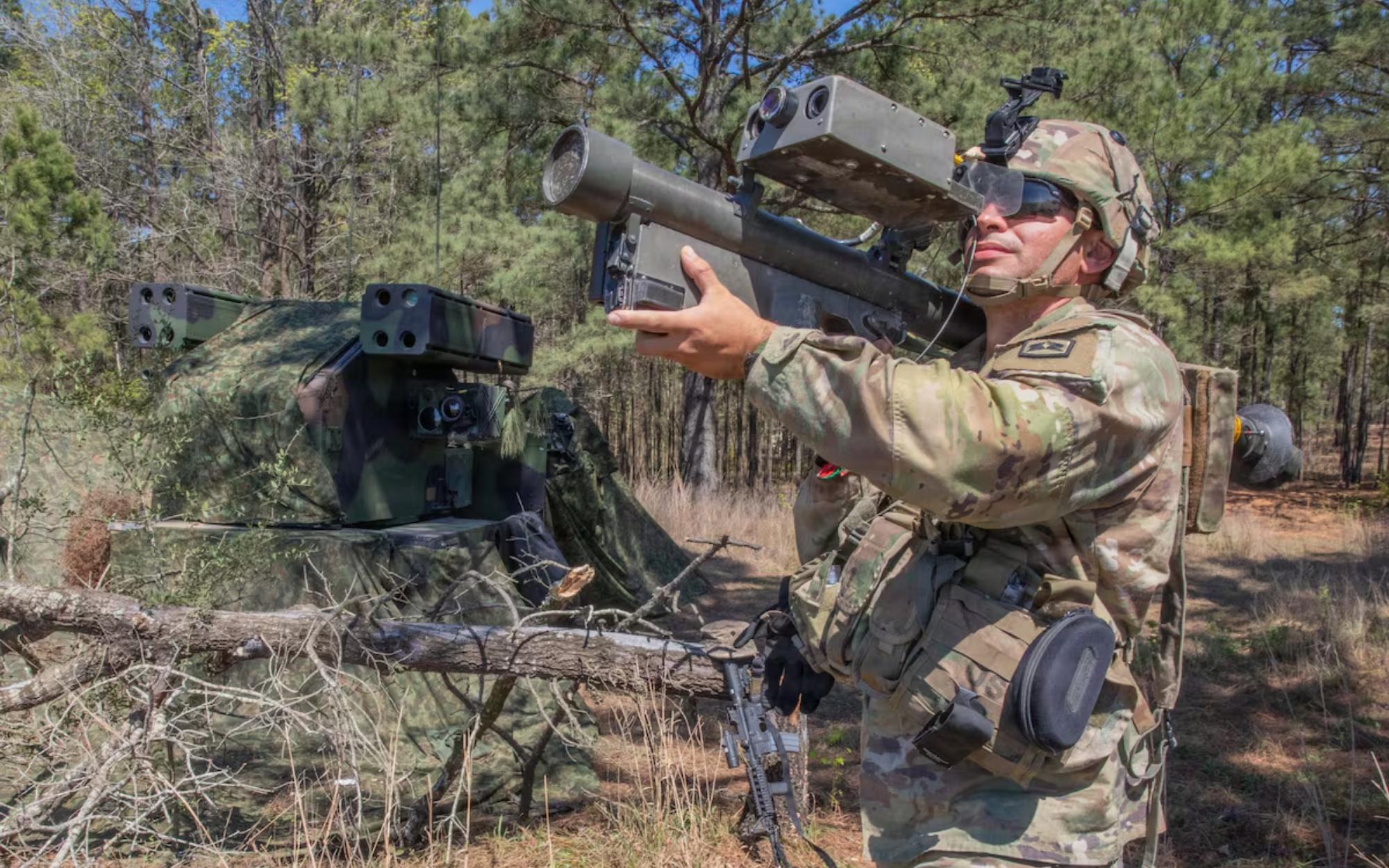
Image Credit: DoW
American bases across the Middle East still played notable roles during the Iran conflict by supporting aircraft, logistics, and missile launches from the ground.
Defense Priorities nevertheless maintained that alternatives were available to the Pentagon, particularly through naval forces and bombers operating at extended distances.
A Navy centered model would carry its own limitations. The American carrier fleet is already under pressure from its deployment tempo and shipbuilding delays, creating questions about whether enough carriers would be available to replace a permanent network of regional installations.
Strikes conducted by ships and bombers operating thousands of miles from Iran also would not eliminate every requirement for forward bases.
Air refueling tankers based closer to the region were key to missions involving strikes over extended ranges, according to the assessment.
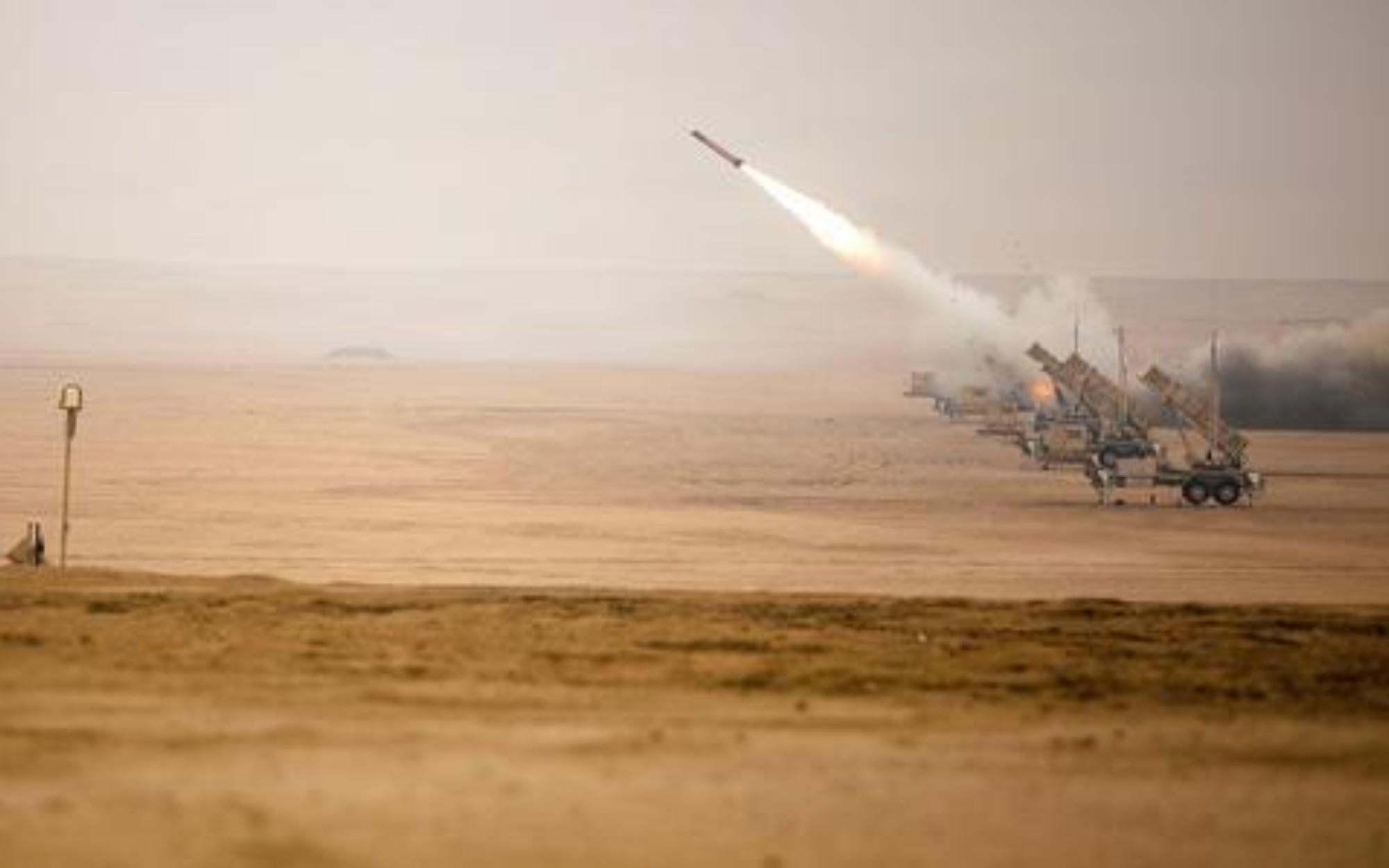
The cost of defending existing installations adds another complication. The US reportedly used roughly two thirds of its Patriot interceptor inventory to defend bases during the 2026 Iran war, with the replacement bill estimated at between $10 billion and $20 billion.
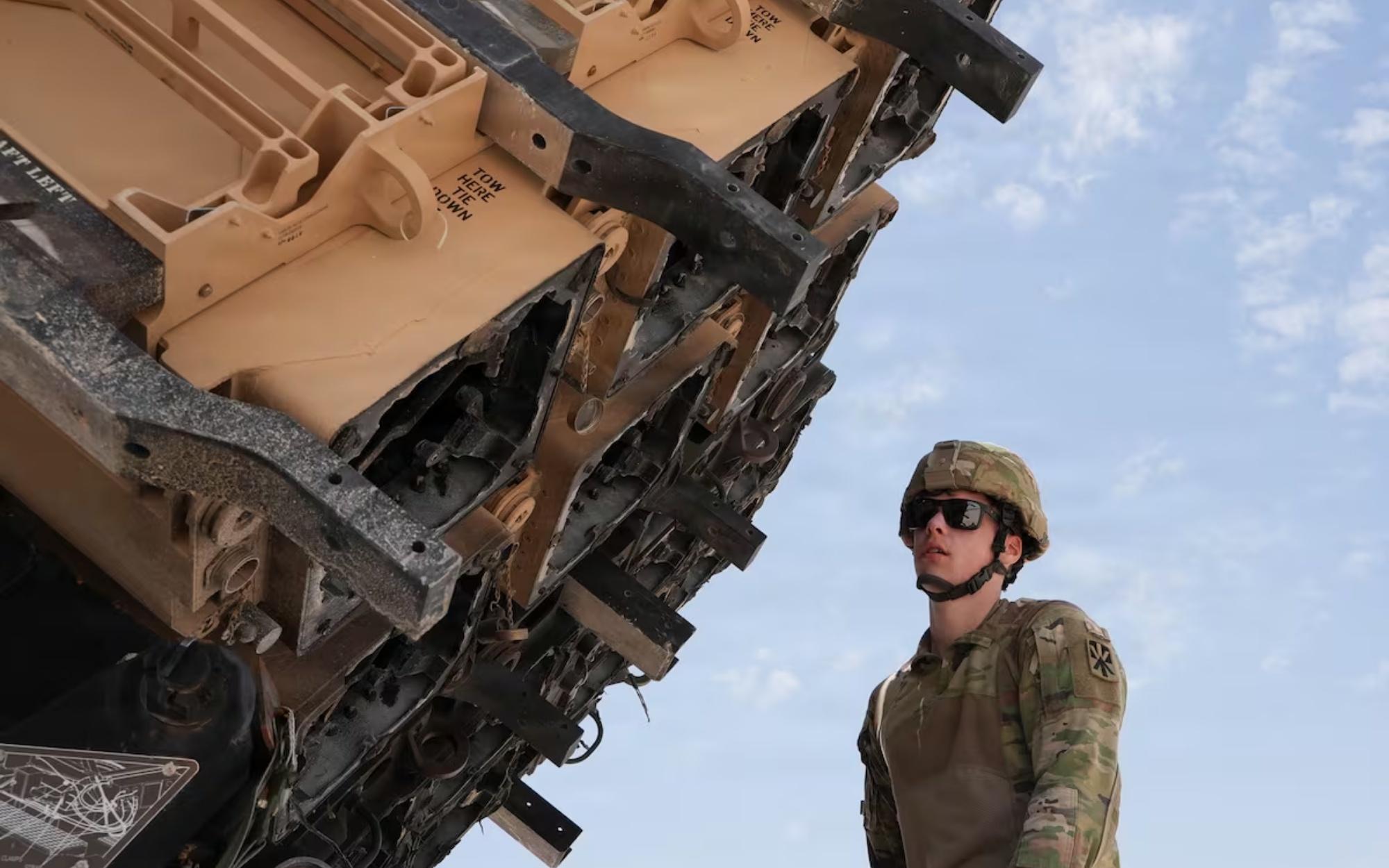
Image Credit: DoW
More broadly, the vulnerability of overseas installations is “part of a larger story about how smaller powers can increasingly contest U.S. military hegemony in growing swaths of the world,” the report said.
Precision weapons give those smaller powers a way to threaten fixed facilities once considered relatively protected.
“Limiting base vulnerability is possible but expensive, and Iran and its partners can potentially overcome improved defenses by increasing missile and drone stockpiles at far lower cost,” Defense Priorities said.
“In the longer term, whatever happens with Iran, the region’s instability means that new adversaries with threatening missile arsenals may emerge.”
Gold is the oldest answer. SoundMoney makes owning it as easy as the apps you already use.
The opinions expressed by contributors and/or content partners are their own and do not necessarily reflect the views of LifeZette. Contact us for guidelines on submitting your own commentary.
Read the full article here