The U.S. Army is pressing into a second week of intensive search and rescue operations off the rugged Moroccan coast to locate two missing American soldiers who vanished after the conclusion of the massive African Lion 26 exercise.
The mission has become a stark reminder of how quickly danger still lurks even outside the battlefield.
The soldiers disappeared near the Cap Draa Training Area in southwestern Morocco the night of May 2, shortly after training wrapped up for the day.
According to early reports, one soldier fell from a cliff into the Atlantic while hiking along the coastline.
Here’s What They’re Not Telling You About Your Retirement
His battle buddy immediately jumped in after him in a desperate rescue attempt but was swept away by rough waves. A third soldier tried to save both men but was forced back to shore by violent surf.
The Army confirmed that the pair were declared missing the next day, and a massive joint operation began under the oversight of the Southern European Task Force, Africa (SETAF).
According to Army officials, search efforts initially focused on the coastline but have since expanded far west into the Atlantic Ocean as current modeling evolved.
A spokesman for SETAF said that “search and rescue operations remain ongoing” and that search patterns have continued to “expand west into the Atlantic as ocean‑current modeling refines planning.” This means the Army is not giving up, despite the mounting challenges of time, weather, and ocean conditions.
This Could Be the Most Important Video Gun Owners Watch All Year
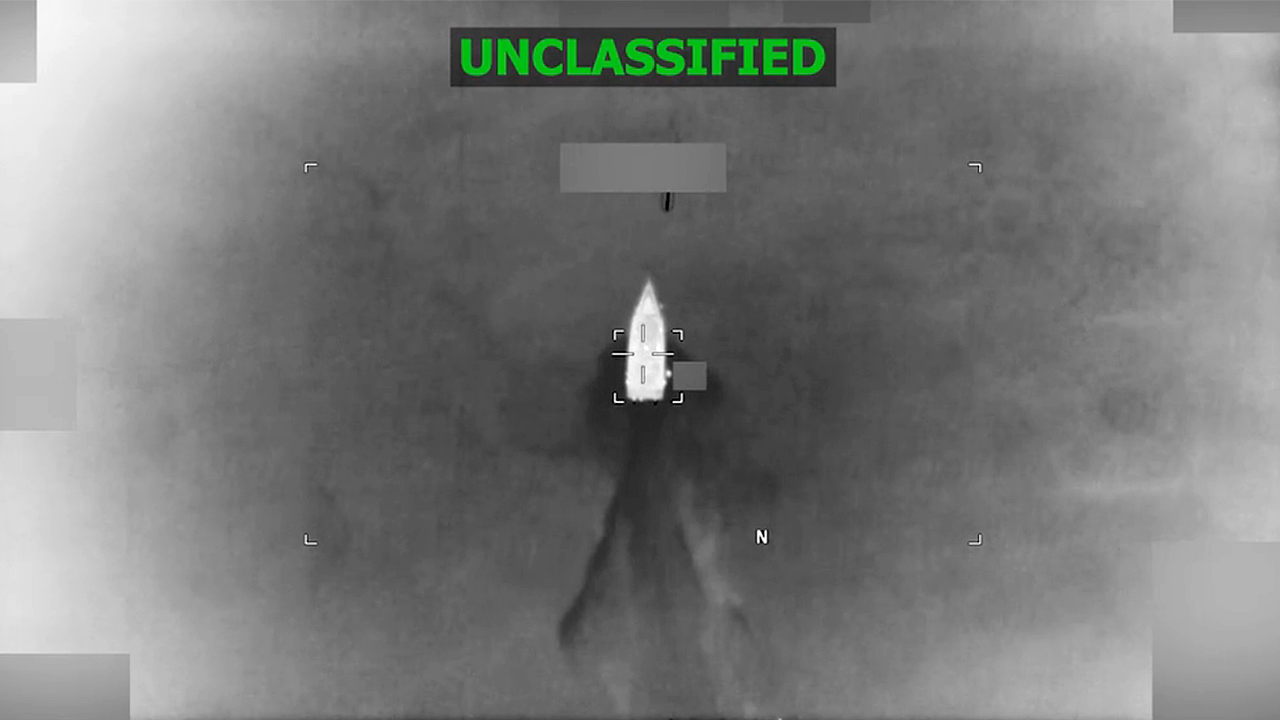
In the air, American aircraft have been crisscrossing the region. A C‑12 Huron, a UC‑35, and a KC‑130J from Marine Aerial Refueler Transport Squadron 234 have been flying missions.
Two Moroccan aircraft have also joined in the effort, showing how deeply allied cooperation extends beyond just training exercises.
Image Credit: DoW
The U.S. Army Vessel Major General Charles P. Gross, a logistical support ship, has been active as well. France and Morocco redirected their own naval vessels to contribute to the mission, further demonstrating the seriousness of the search.
According to a defense official, teams have already scoured more than 12,000 square kilometers of ocean and coastline. Over 600 personnel, most of them American and Moroccan, are on the ground and at sea, including specialized Moroccan mountaineering units familiar with the punishing terrain.
It’s a tough mission that blends old‑school grit with some of the most advanced search technology available.
The Army has not released the names or units of the missing soldiers, preserving operational security and giving their families space as the mission continues.
The absence of those details has not dulled the concern and determination among the troops still on scene.
African Lion 26, which officially wrapped up last week, was one of the largest multinational training events on the continent. It brought together thousands of troops from Morocco, Ghana, Senegal, Tunisia, and the United States.
Training included combined arms maneuvers, live‑fire artillery drills, drone operations, and rapid logistics movement, the type of joint readiness exercises that have become essential in projecting American power and strengthening military ties across Africa.
While the event drew to a close, the search for the two missing soldiers underscored the very real risks American warfighters face even in peacetime operations.
Whether on the battlefield or in a training environment, the U.S. military operates in unforgiving conditions where a split‑second decision can mean life or death.
American personnel remaining in Morocco will continue to command and control search operations while the rest of the African Lion force demobilizes and redeploys.
That commitment is a testament to the promise the United States makes to its service members: no one gets left behind.
The Army’s decision to maintain a forward element in Morocco shows the seriousness with which military leadership treats the search.
Even as operations taper elsewhere, American and allied teams continue to fight against time, weather, and distance to bring their brothers home.
Under the leadership of strong warfighters and a resurgent Department of War built on accountability and mission‑first priorities, America’s armed forces are once again showing what it means to never quit.
These soldiers trained hard, fought hard, and served honorably, and their comrades in arms will not rest until they are found.
Warning: Account balances and purchasing power no longer tell the same story. Know in 2 minutes if your retirement is working for you.
The opinions expressed by contributors and/or content partners are their own and do not necessarily reflect the views of LifeZette. Contact us for guidelines on submitting your own commentary.
Read the full article here


![Wild Motorcycle Crash Leaves Bike Hanging From a Traffic Light, Shuts Down Road in British Columbia [WATCH]](https://www.lifezette.com/wp-content/uploads/2026/05/2026.05.10-15.25-lifezette-6a00a364209b6.jpg "Wild Motorcycle Crash Leaves Bike Hanging From a Traffic Light, Shuts Down Road in British Columbia [WATCH]")

![CNN’s Fareed Zakaria Admits Democrat Run Blue Cities Have America’s Worst Homeless Crises [WATCH]](https://www.lifezette.com/wp-content/uploads/2025/07/2025.07.25-01.25-lifezette-688385b2b6108.jpg "CNN’s Fareed Zakaria Admits Democrat Run Blue Cities Have America’s Worst Homeless Crises [WATCH]")